
Last updated November 25, 2026
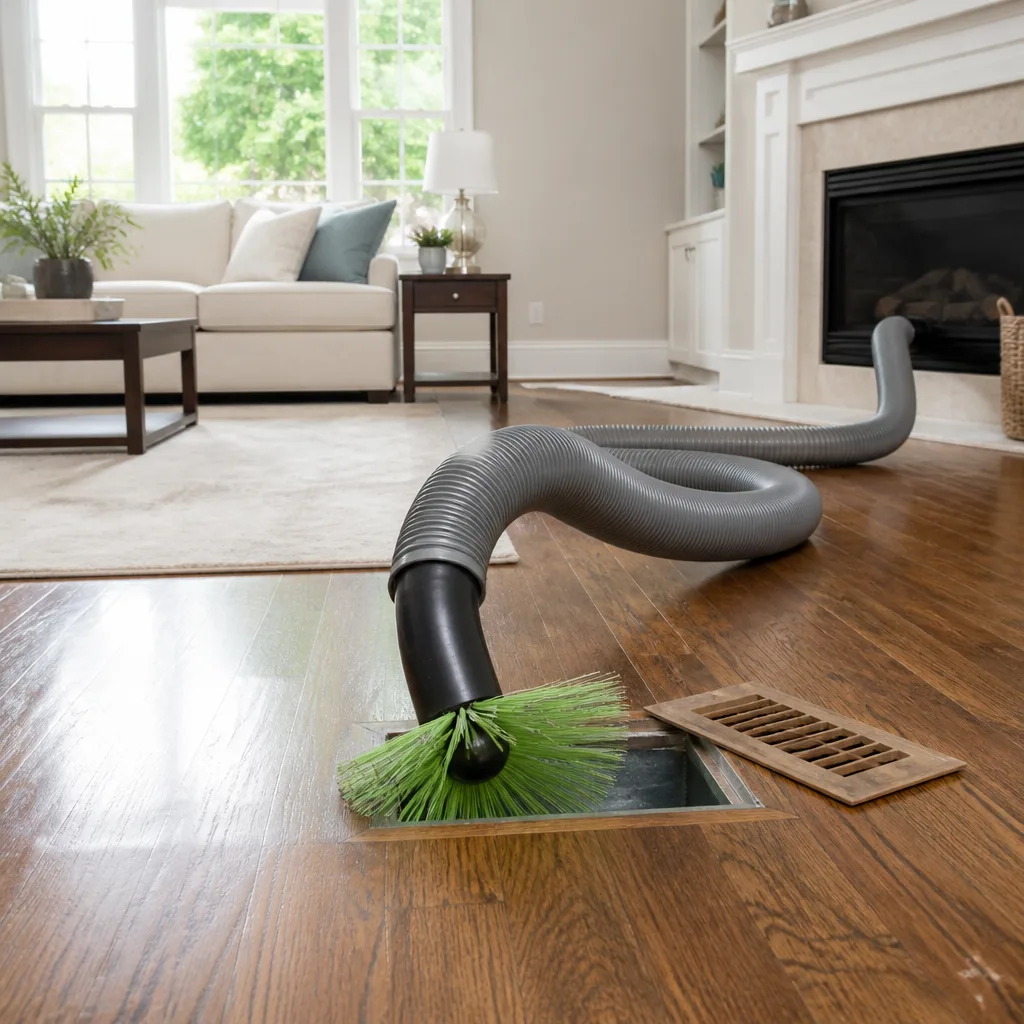 Whole-home duct cleaning
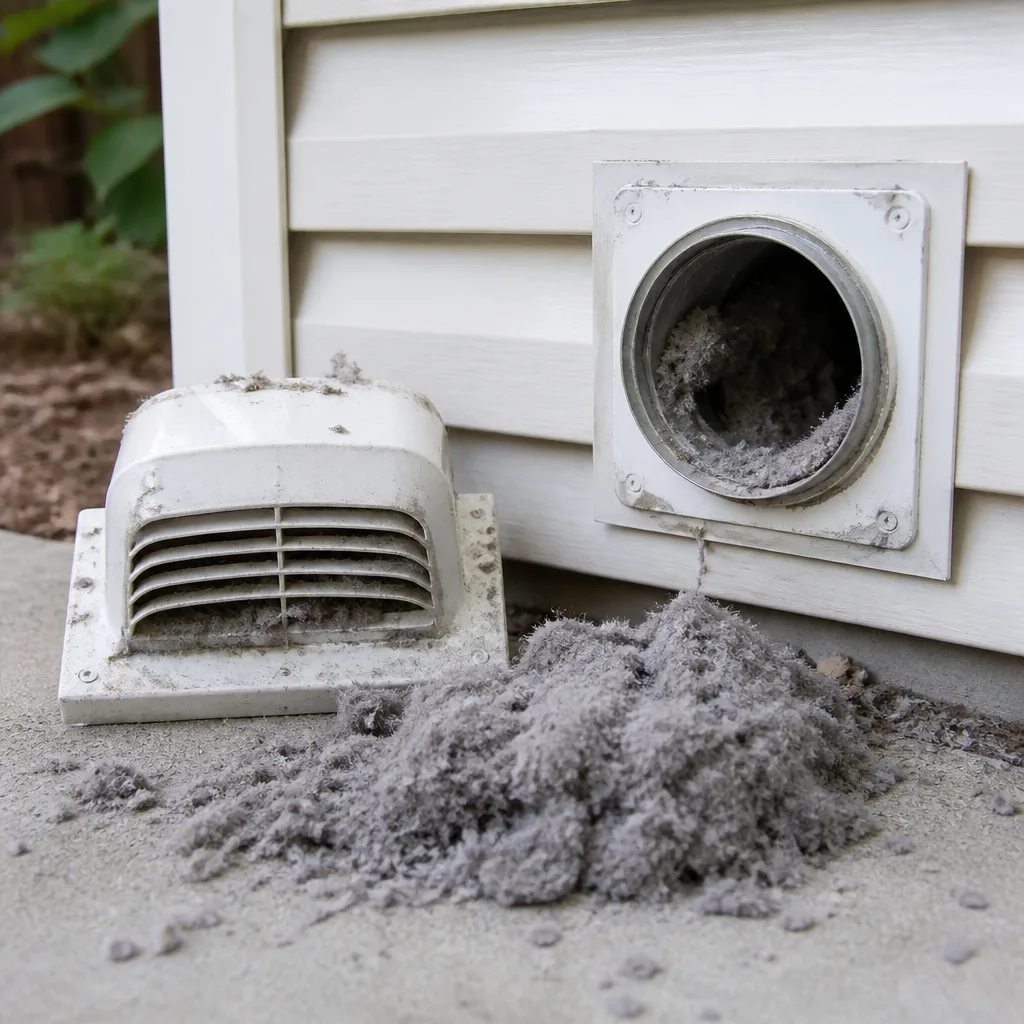 Dryer vent cleaning
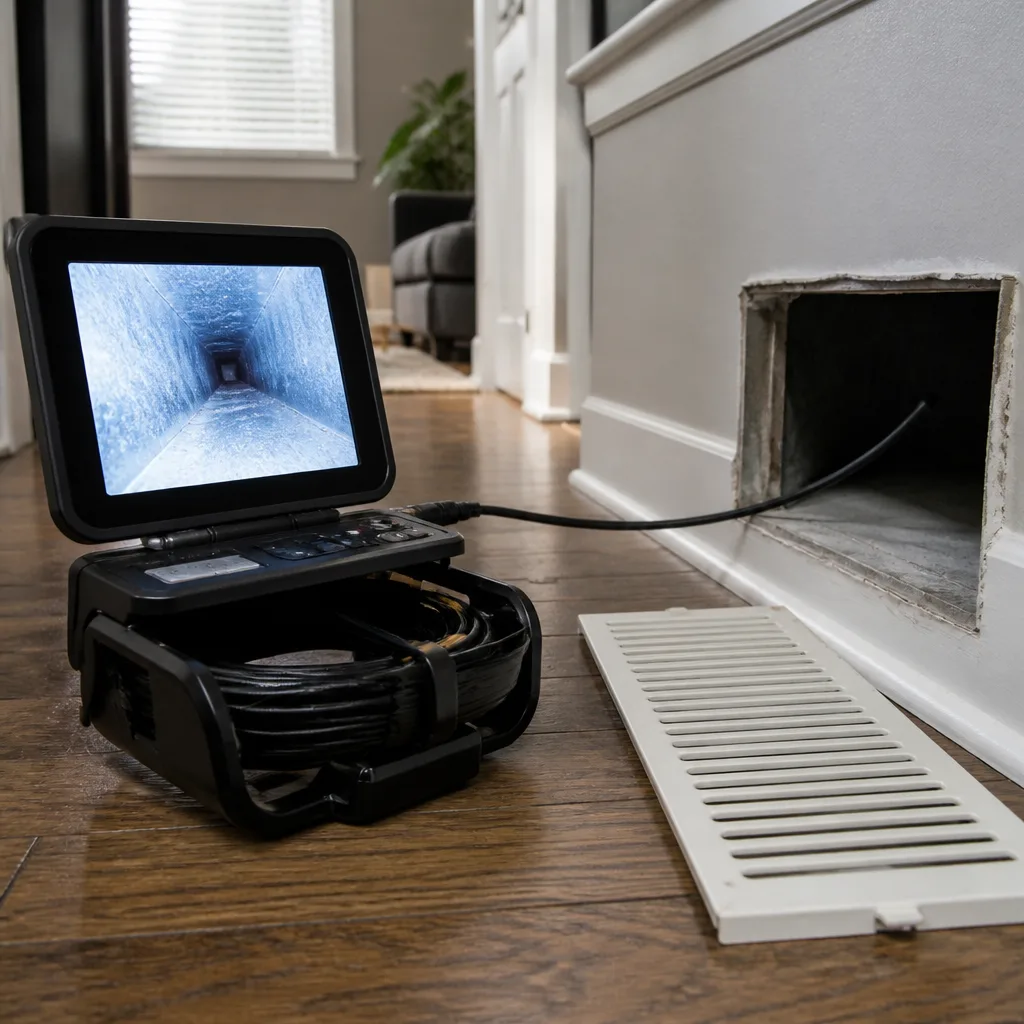 Camera inspection
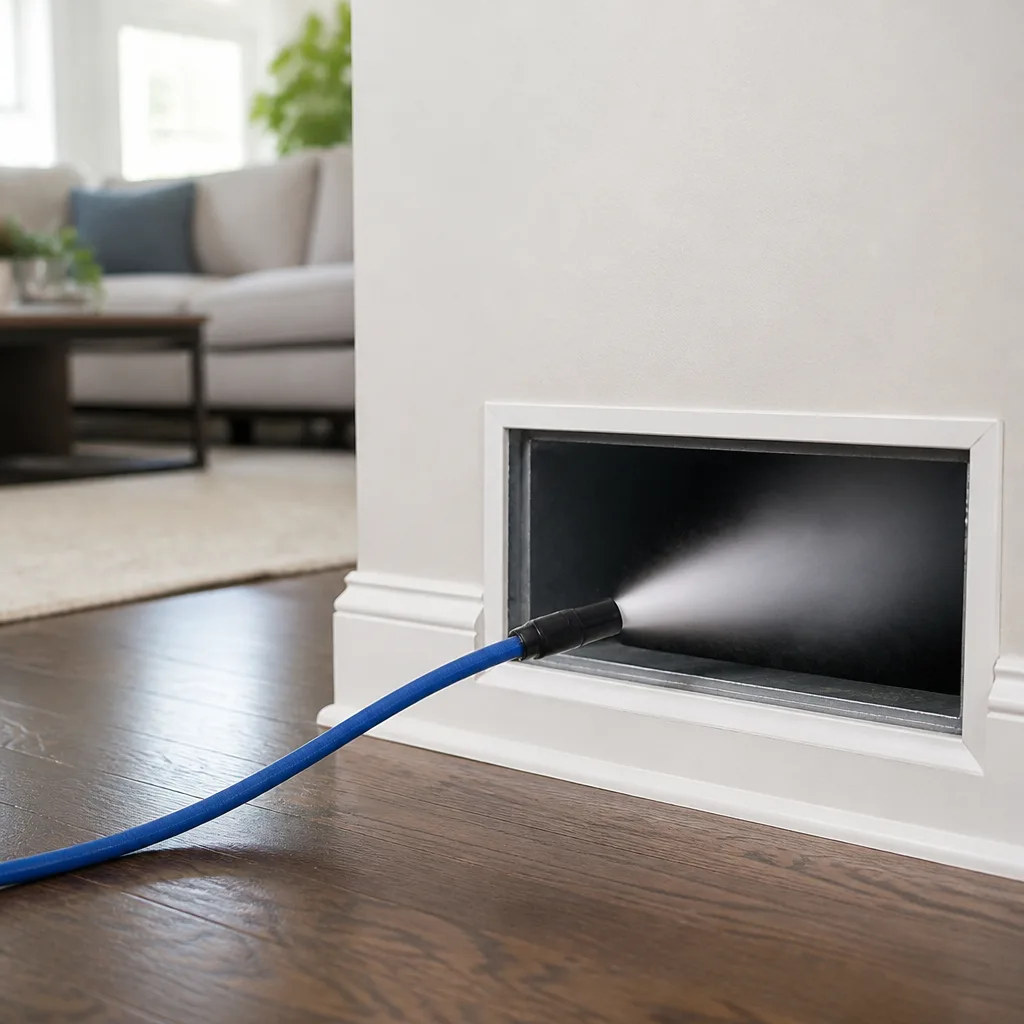 Sanitizing & deodorizing
Whole-system duct and dryer vent check with before-and-after photos - you see exactly what came out of your vents
That "$99 whole-house special" is a bait ad - the real number appears once they are in your hallway, or the "clean" is a shop-vac at the register. We photograph the inside of your ducts before and after instead.
Air Duct Cleaning Permits, Codes & Inspections in Myers Park, NC: What You Need to Know
Here’s the part of duct cleaning nobody puts on a flyer: cleaning the inside of your ductwork doesn’t require a permit in North Carolina, but sealing, modifying, or replacing it usually does. The two get blurred together in a lot of sales pitches, and that blur matters. A company that offers “encapsulation” or “sealing” without the right mechanical license is working outside its legal scope. And most homeowners never think to ask. In this guide we’ll walk through where North Carolina draws the line, what Mecklenburg County adds to it, which documents to keep if any ductwork gets modified, and what to check before you authorize work in Myers Park.
Which North Carolina codes actually apply to ductwork?
The North Carolina State Mechanical Code is the set of rules that governs, among other things, how supply, return, and exhaust ducts are built, sealed, supported, and connected to your HVAC system. It sits within the broader North Carolina Building Code family, which is adopted statewide and then amended at the county level. Mecklenburg County, which includes Myers Park, adopts the state code and adds its own local amendments and permitting procedures on top.
So there are two layers:
- State layer: the North Carolina State Mechanical Code, which defines duct construction, sealing, and installation requirements.
- Local layer: Mecklenburg County’s adopted amendments and its permitting and inspection process for mechanical work.
For a Myers Park homeowner, the practical takeaway is this: the code applies to the system, not to a broom and a vacuum. If a contractor is opening duct seams, cutting in new sections, reconnecting runs, or applying a permanent sealant to the duct wall, that work is mechanical work in the eyes of the code. If a contractor is pulling accumulated dust and debris out through negative-pressure extraction, that’s cleaning, and the mechanical code’s construction and alteration provisions don’t govern it.
The fastest way to settle a question about a specific job is to call Mecklenburg County’s code enforcement office and ask straight: does replacing this duct section need a permit? The answer takes a few minutes to get and saves months of confusion later.
Styles & brands we work with
- Whole-home duct cleaning
- Dryer vent cleaning
- Camera inspection
- Sanitizing & deodorizing
Does routine duct cleaning require a permit in Myers Park?
No. Routine air duct cleaning does not require a permit in Myers Park or anywhere else in Mecklenburg County, because the work doesn’t alter the mechanical system. It removes debris from a system that already exists.
A cleaning visit typically involves:
- Creating negative pressure in the duct system with a purpose-built vacuum, such as a Rotobrush or Nikro system, so loosened debris is captured rather than blown into the rooms.
- Agitating the duct walls with a rotary brush or air whip to break dust, dander, and construction residue loose from the metal or flex surface.
- Cleaning the registers, grilles, and the plenum area where the ductwork meets the air handler.
- Photographing the ducts before and after so the homeowner has a documented result.
None of that touches the code’s rules for how ductwork is built or sealed. That’s why cleaning is a straight service call and no inspection is scheduled afterward. It also means the licensing question is entirely different from a modification job: a cleaning-only contractor is not doing mechanical work and doesn’t need a mechanical contractor’s license to run a vacuum through your ducts. What you should check instead is the equipment, the process, and the willingness to show you photographs before and after.
Where’s the legal line between cleaning and sealing?
This is the question most homeowners never ask, and it’s the one that matters most. Cleaning removes debris from a duct. Sealing, encapsulating, or repairing changes the duct as a system component, and in North Carolina that moves the work under mechanical contractor licensing rules.
Here’s the practical split:
- Cleaning-only: no permit, no mechanical license required for the cleaning itself.
- Applying mastic sealant to seams, joints, or boots: this is a mechanical modification and generally requires a licensed mechanical contractor, plus a permit in most cases.
- Aerosol encapsulation of the duct interior: this coats the duct wall with a bonded coating and changes the duct’s surface. It’s treated as a modification, not a cleaning, and carries the same licensing and permitting question.
- Replacing a section of flex or hard duct: mechanical work. Permit and licensed contractor.
- Applying a sanitation product such as a Guardsman-based treatment to the duct surface: this is a cleaning-adjacent treatment, not a structural change to the duct, and doesn’t require mechanical licensure. It’s an antimicrobial application with a defined contact time – not a sealant, not a coating, and it doesn’t change how the duct is built.
So when a company advertises “sealing” or “encapsulation” alongside cleaning, ask them directly: are you a licensed North Carolina mechanical contractor, and will you be pulling a permit? If the answer is vague, that’s your answer. The same question applies to any company offering HVAC cleaning – if the scope of work crosses from cleaning into component replacement or system alteration, the licensing bar changes.
What does Mecklenburg County add to the state code?
Mecklenburg County adopts the North Carolina State Mechanical Code and layers its own permitting and inspection procedures on top. For Myers Park homeowners, that means three things to know:
- Permitting is handled locally. When a duct modification does require a permit, the application goes through Mecklenburg County’s code enforcement process, not through a state office.
- Inspections follow the local process. A permitted duct modification will typically require an inspection to confirm the work matches the approved scope – the same routine you’d expect with any other mechanical permit in the county.
- Licensing is verified through the state, not the county. A contractor’s mechanical license comes from the State of North Carolina, while the county issues the permit. That’s why a homeowner should check both: the license number with the state, and the permit with the county.
We’ve seen a lot of Myers Park homeowners ask whether the county is stricter than the state. The honest answer is that Mecklenburg’s local amendments tighten procedural requirements – how permits are filed, how inspections are scheduled, what documentation the contractor owes the homeowner – more than they change the underlying rules of what a duct must do. The state code sets the technical standard; the county sets the process for proving the work meets it.
What documentation should you keep if ductwork is modified?
If any duct modification, sealing, or replacement is performed at your Myers Park home, keep a paper trail. It protects you at resale, when a buyer’s inspector asks for records, and it protects you with your insurer if a related claim ever comes up.
A complete file includes:
- The signed contract or written estimate, showing the exact scope of work performed.
- A copy of the mechanical permit pulled for the job, if a permit was required.
- The inspection result from Mecklenburg County, showing the work passed.
- The contractor’s North Carolina mechanical license number, noted on the invoice or contract.
- Before-and-after photographs of the ducts, both from the cleaning stage and from any sealing or repair.
- Product documentation for any sealant, encapsulant, or sanitizer used, including the product name and the manufacturer.
- The completed invoice with the date of work and the total price.
Cleaning-only work doesn’t generate a permit or an inspection, but it should still generate before-and-after photographs and an itemized invoice. Keep those too. When you sell a home in Myers Park, a buyer’s agent who sees documentation for the air system tends to stop asking questions.
Does a sanitation treatment require a license in North Carolina?
No. Applying a sanitizer to duct surfaces after cleaning is a treatment, not a mechanical modification, and it doesn’t require a mechanical contractor’s license or a permit. The distinction is what the product does: a sanitizer kills surface organisms during a defined contact time, then dries. It doesn’t bond to the duct wall or change how the duct is built.
An encapsulation product, by contrast, forms a bonded coating on the duct interior. That’s a change to the system, and it lands on the other side of the line – licensed contractor, permit, inspection.
In Myers Park we use a Guardsman-backed sanitation protocol because it gives us a defined contact time and a documented process, not a spray-and-hope approach. That matters when a homeowner has had water intrusion, a musty smell, or a renovation that left dust everywhere. A proper treatment is a measured step in the cleaning sequence, not a bottle waved at a vent. If you’re weighing sanitizing against sealing, it helps to know which side of the licensing line each one sits on before you commit to either.
We also carry Abatement Technologies equipment for jobs where contamination is elevated, because a routine vacuum isn’t the right tool for that work. Higher contamination calls for more aggressive capture and containment, and the equipment has to match the scenario.
See the difference
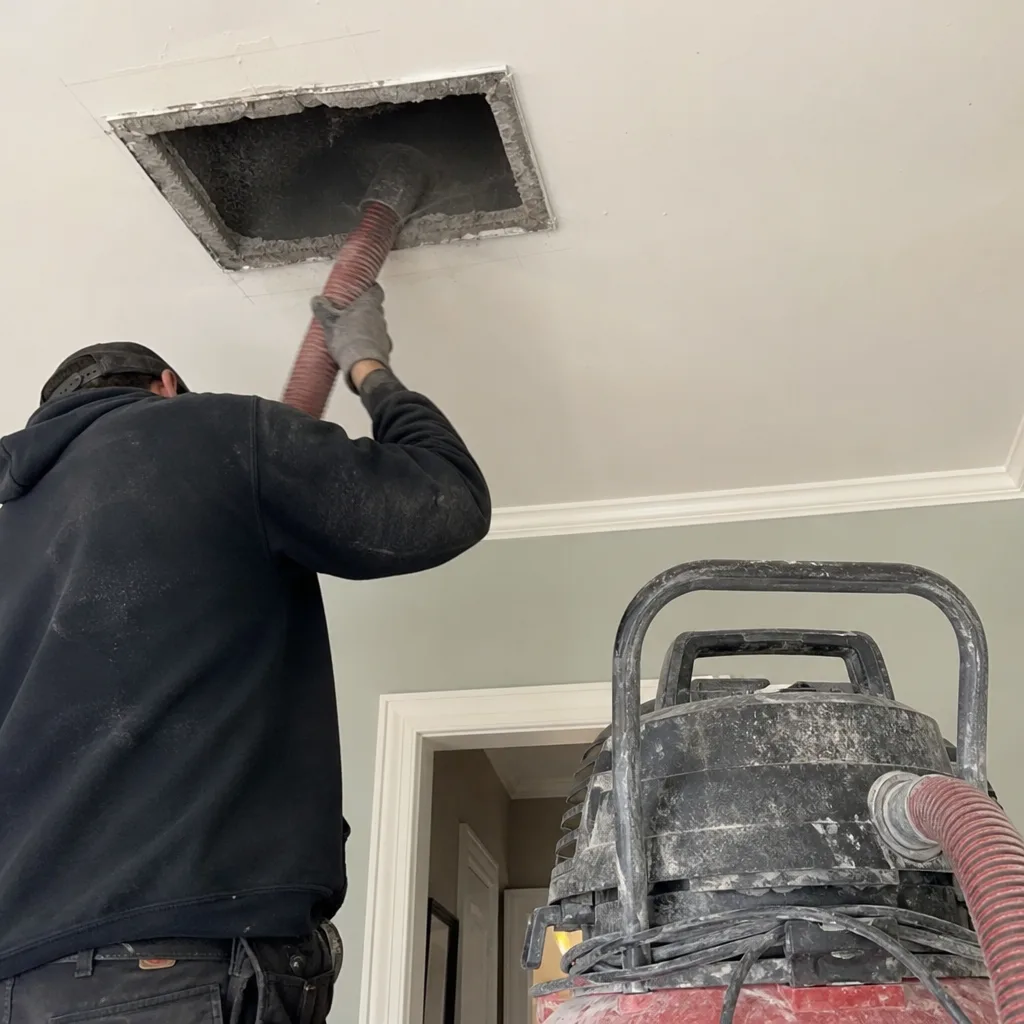 Before
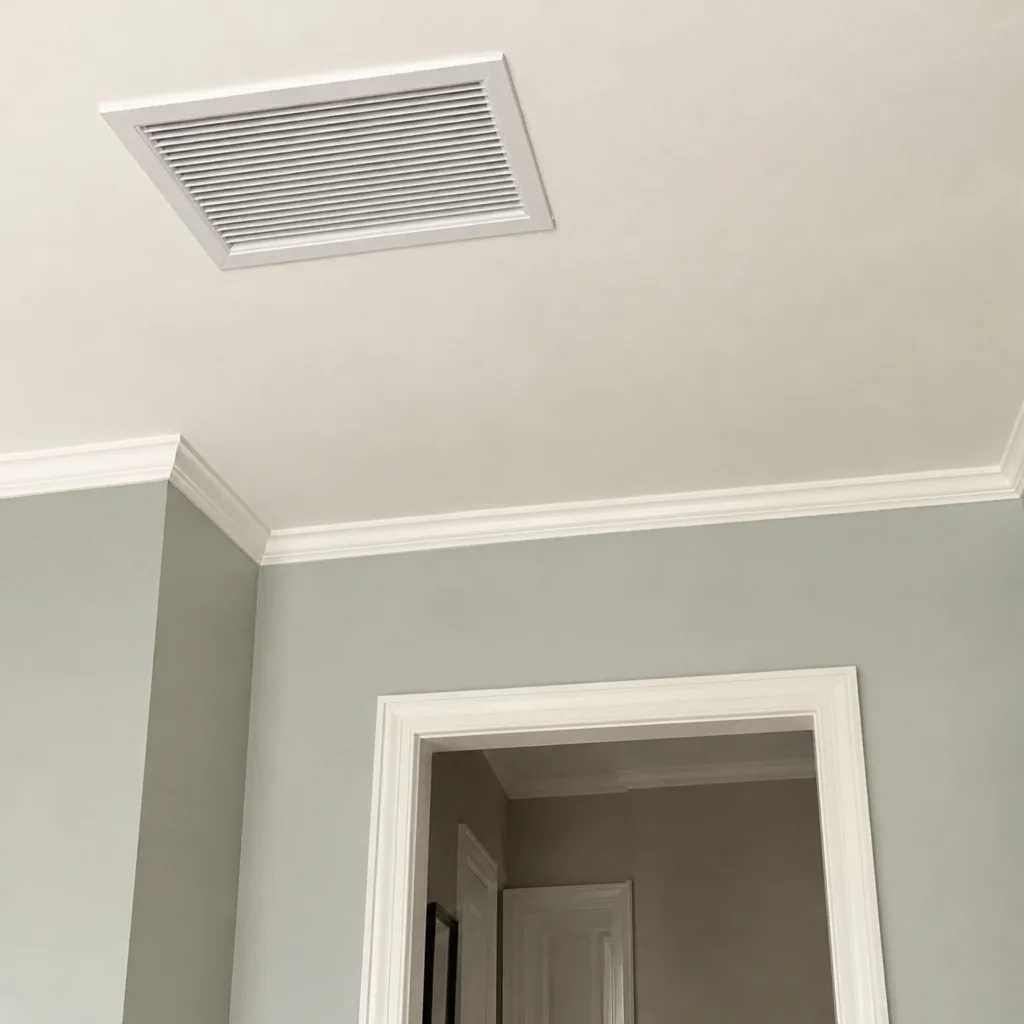 After
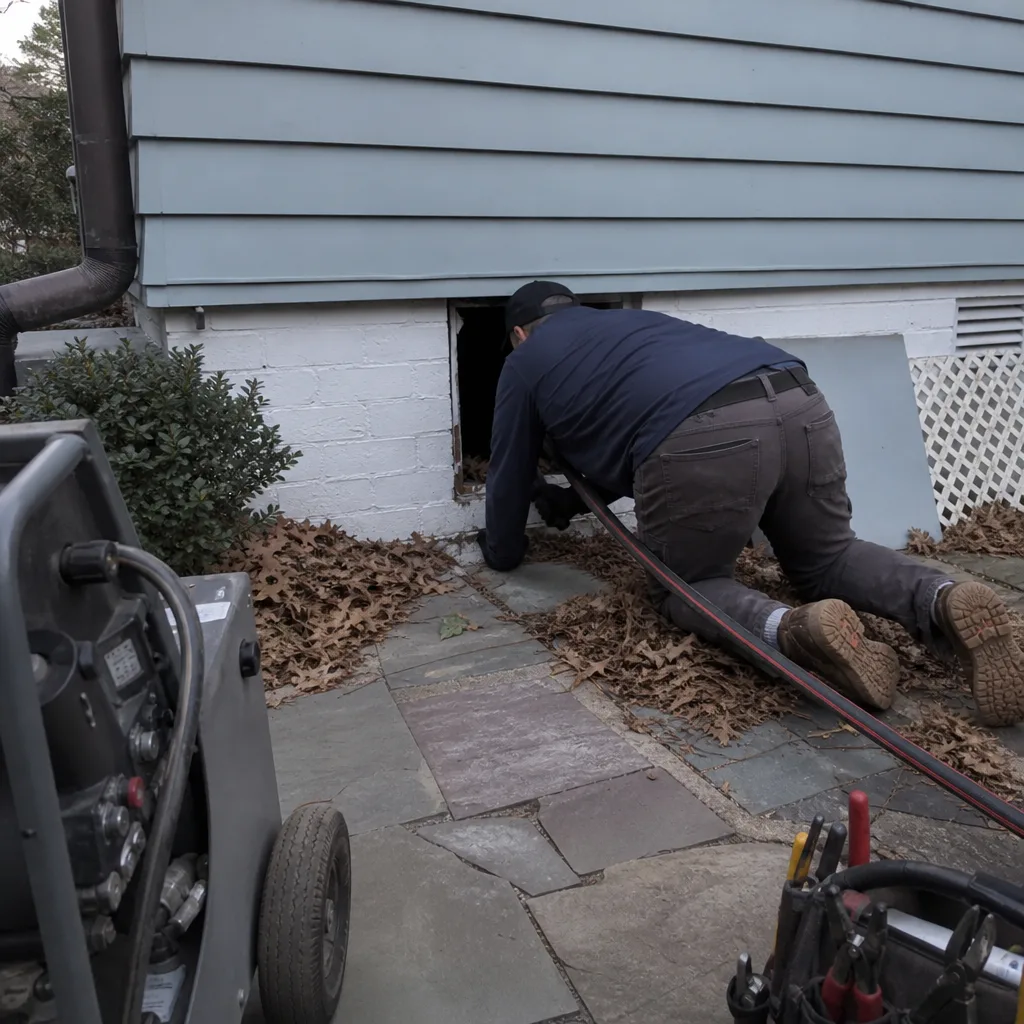 Before
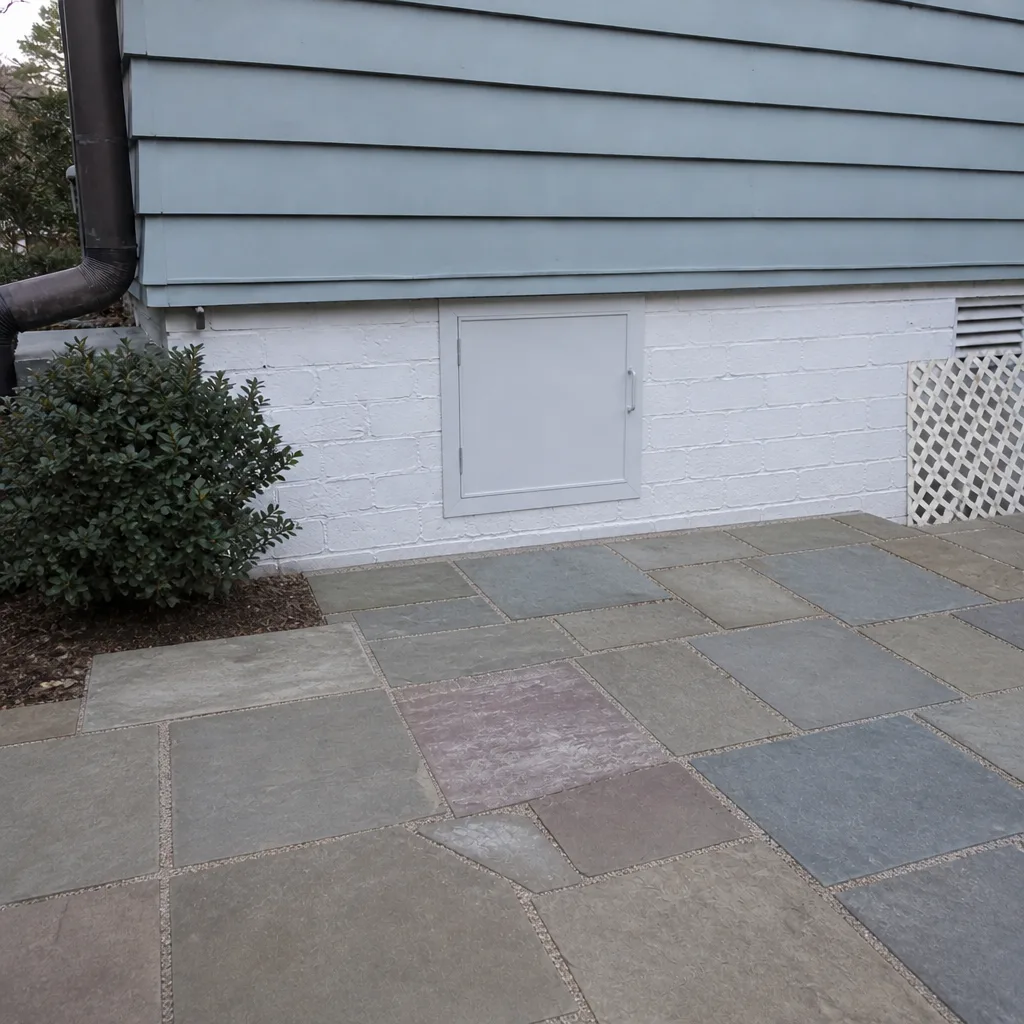 After
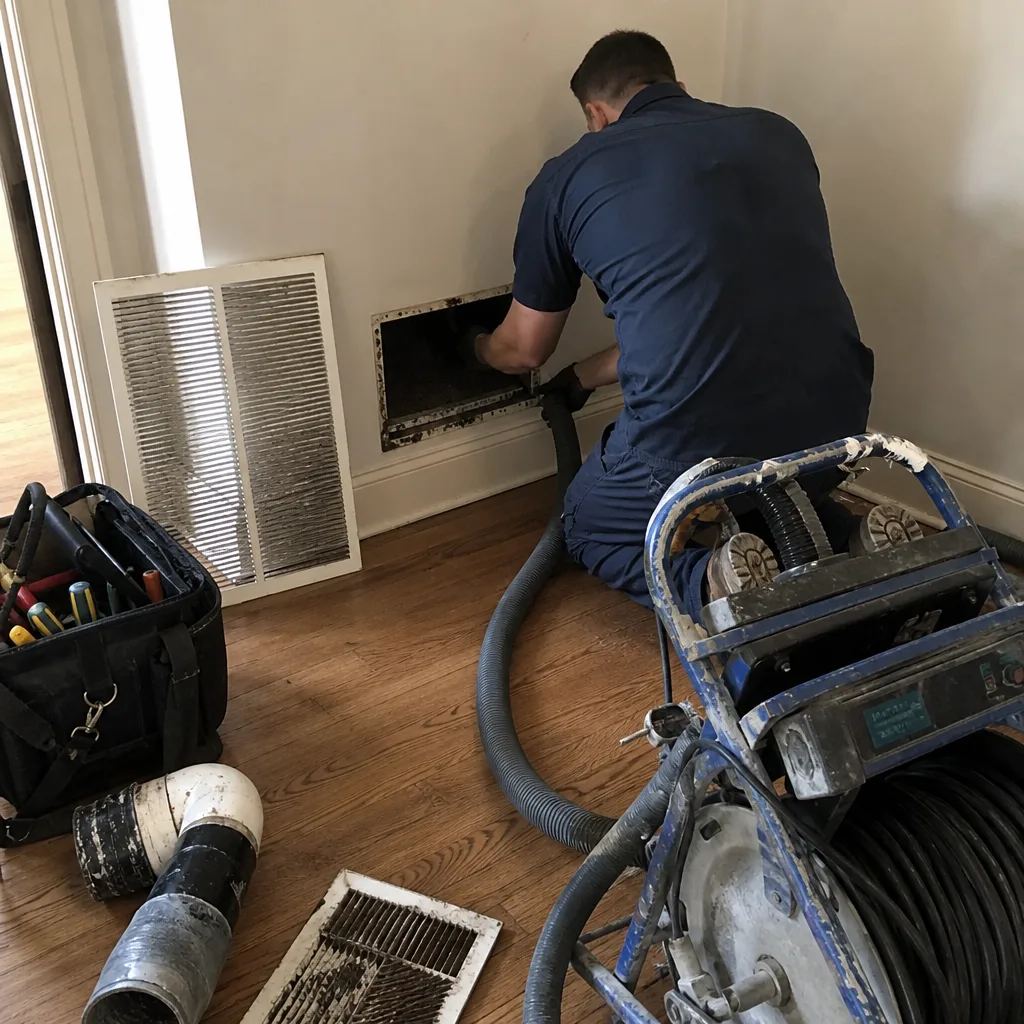 Before
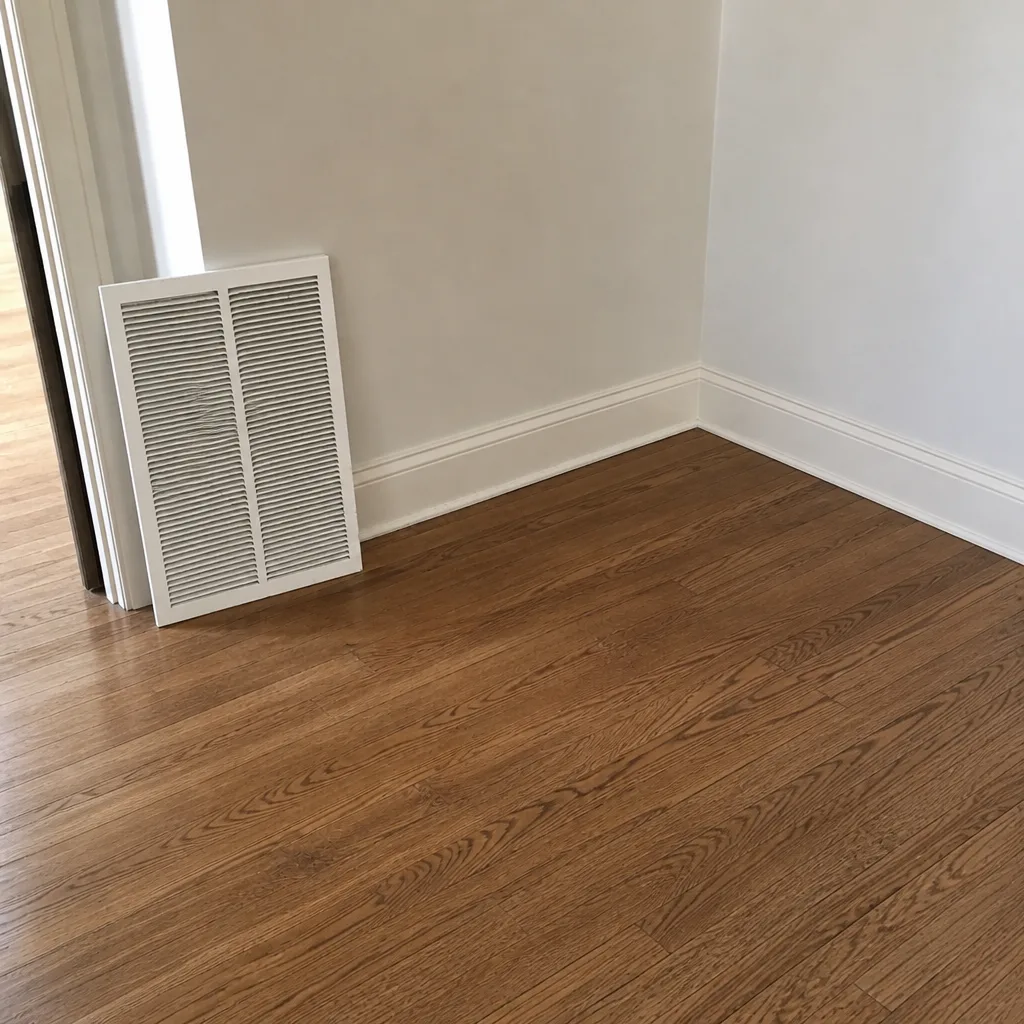 After
Step-by-step: how to vet a duct service in Myers Park
Before you authorize any work on your ducts, run through these six steps. They take ten minutes and they’ll sort out who’s operating within scope from who isn’t.
- 1
Ask what the job actually is. Cleaning only? Sealing? Encapsulation? Replacement? Get the answer in writing on the estimate.
- 2
Check the license if the job crosses into modification. Any sealing, encapsulation, or duct replacement should come from a North Carolina licensed mechanical contractor. Ask for the license number and verify it with the state.
- 3
Ask who pulls the permit. If a permit is required, the contractor should pull it, not ask you to. A permit pulled in your name as a homeowner puts the liability on you.
- 4
Ask about equipment. A dedicated duct-cleaning system such as a Rotobrush or Nikro machine under negative pressure is the baseline. A shop-vac and a hose is not the same job.
- 5
Request before-and-after photographs. Any company that won’t photograph your ducts before and after isn’t doing the job you can verify.
- 6
Ask about filtration products separately. A Honeywell or Aprilaire filter upgrade is a legitimate add-on to clean ducts, but it’s a separate product decision from the cleaning itself. Don’t let it blur into the scope.
If a company can’t answer steps one, two, and three cleanly, the rest don’t matter. Those three tell you whether they’re doing licensed work or not.
How long does the work actually take, and what happens after?
A routine cleaning on a typical Myers Park home takes a few hours, depending on the number of registers and the condition of the system. A cleaning plus sanitation and filtration upgrade can take longer, because each step has a defined process that shouldn’t be compressed. A modification job that involves sealing or replacing duct sections will take longer still and involves a permit and inspection on the back end.
What changes after a proper cleaning is worth knowing in advance:
- Filters load more slowly, because the ducts are no longer feeding debris into the airstream.
- The air handler runs cleaner, and the coil stays cleaner longer.
- Dust re-circulation in the rooms drops noticeably within a few days of the work.
- Any musty or stale smell from the system tends to fade after sanitation has had its contact time and the system has cycled through the house.
That last point is why we sequence sanitation after agitation and extraction rather than before it – a contact-time product works on a clean surface, not on a layer of dust.
Common Mistakes to Avoid
- Assuming every duct job needs a permit. Routine cleaning doesn’t. But the flip side of that – assuming every duct job needs no permit – is worse, because it lets unlicensed sealing slip through. Ask what the scope actually is before you assume either way.
- Not asking for the mechanical license on a sealing or encapsulation job. If a company is applying mastic or an aerosol coating, ask for the license number and verify it with the state. This is the single most common gap we see in Myers Park.
- Letting the contractor pull a permit in your name. A mechanical permit should be pulled by the licensed contractor doing the work. If someone asks you to pull it as the homeowner, that trades their liability for yours.
- Accepting a verbal estimate for a modification. A sealing or duct-replacement job needs a written scope, a price, and a license number on the same document. Verbal agreements don’t hold up at resale.
- Throwing away the before-and-after photographs. Those photos are your proof the work was done, and they’re what a buyer’s inspector will want to see. Keep them with the invoice and any permit paperwork.
- Treating a sanitizer and an encapsulant as interchangeable. One is a treatment with a defined contact time. The other is a bonded coating that changes the duct surface. Only one requires a license and a permit, and conflating them is how homeowners end up authorizing work outside scope.
- Skipping dryer vent cleaning while the ductwork is being serviced. A blocked dryer vent is a leading cause of residential fires, and it’s a dedicated service, not a bonus you tack onto the bill at the end. Have it done properly.
When to Call a Professional
Call a professional when you see visible dust blowing from the registers after the HVAC cycles, when a renovation has left construction dust in the system, or when a home you’ve just bought has no service record for the ducts. Call when a musty smell persists in the supply air or when someone in the house has asthma or allergy symptoms that get worse indoors. And call before you authorize any sealing, encapsulation, or duct replacement, so the scope can be checked against the licensing requirement before the work begins. Air Duct Cleaning Myers Park offers free estimates in Myers Park – call (877) 792-5816. We answer 24/7. Fast dispatch from 7am to 7pm, Sunday through Friday. Our technicians have up to 11 years of experience, and the estimate is free.
Frequently Asked Questions
No. Routine air duct cleaning doesn’t require a permit in Myers Park or anywhere else in Mecklenburg County, because cleaning removes debris rather than modifying the mechanical system. A permit applies only when the work changes the ductwork itself – sealing, encapsulation, or replacement. If you’re unsure which category your job falls into, call (877) 792-5816 for a straight answer before you authorize anything.
Yes, when it involves applying mastic sealant to seams, joints, or boots, or applying an aerosol encapsulation coating to the duct interior. Both are mechanical modifications under North Carolina rules and generally require a licensed mechanical contractor plus a permit. A sanitation product applied after cleaning is not a sealant and doesn’t carry the same requirement. The distinguishing question is whether the work changes the duct as a system component.
Yes, when a permit has been pulled for the work. Mecklenburg County’s process includes an inspection to confirm the modification matches the approved scope, and the result should be documented and kept with the job file. Cleaning-only work involves no permit and no inspection. Call (877) 792-5816 if you want help figuring out whether your job would trigger an inspection.
Not for cleaning-only work. Cleaning doesn’t fall under mechanical contractor licensing because it doesn’t modify the system. The licensing requirement kicks in only when a company adds sealing, encapsulation, or duct replacement to its service menu. If a company offers those services, ask for the North Carolina mechanical license number and verify it with the state before you sign.
A sanitizer is a treatment applied to duct surfaces after cleaning, with a defined contact time, and it dries without bonding to the duct wall. An encapsulant forms a bonded coating that changes the interior surface of the duct, which makes it a modification under state rules. The sanitizer doesn’t require a license or a permit; the encapsulant generally does.
Keep the signed contract showing the scope, the mechanical permit if one was pulled, the Mecklenburg County inspection result, the contractor’s license number, before-and-after photographs, product documentation for any sealant or sanitizer used, and the itemized invoice. That file protects you at resale and with your insurer. For cleaning-only work, keep the photos and invoice even though there’s no permit. Call (877) 792-5816 for a free estimate – estimates are free.
The Bottom Line
The line in North Carolina is clear once you see it: cleaning a duct doesn’t need a permit or a mechanical license, but sealing, encapsulating, or replacing one does. Mecklenburg County handles the permit and inspection side for Myers Park homeowners, while the State of North Carolina issues the mechanical license. Your job is to know which side of that line a given estimate falls on before you sign it. Ask what the scope is, ask for the license if the job crosses into modification, ask who pulls the permit, and keep the paperwork. That’s the whole checklist.
If you want that scope explained in plain terms for your home, call (877) 792-5816. We answer 24/7. Fast dispatch from 7am to 7pm, Sunday through Friday. Estimates are free, and the price is set per job by the written estimate. You can also see how we handle air duct cleaning in Myers Park and dryer vent cleaning before you call.
Written by the team at Air Duct Cleaning Myers Park.