
Last updated November 25, 2026
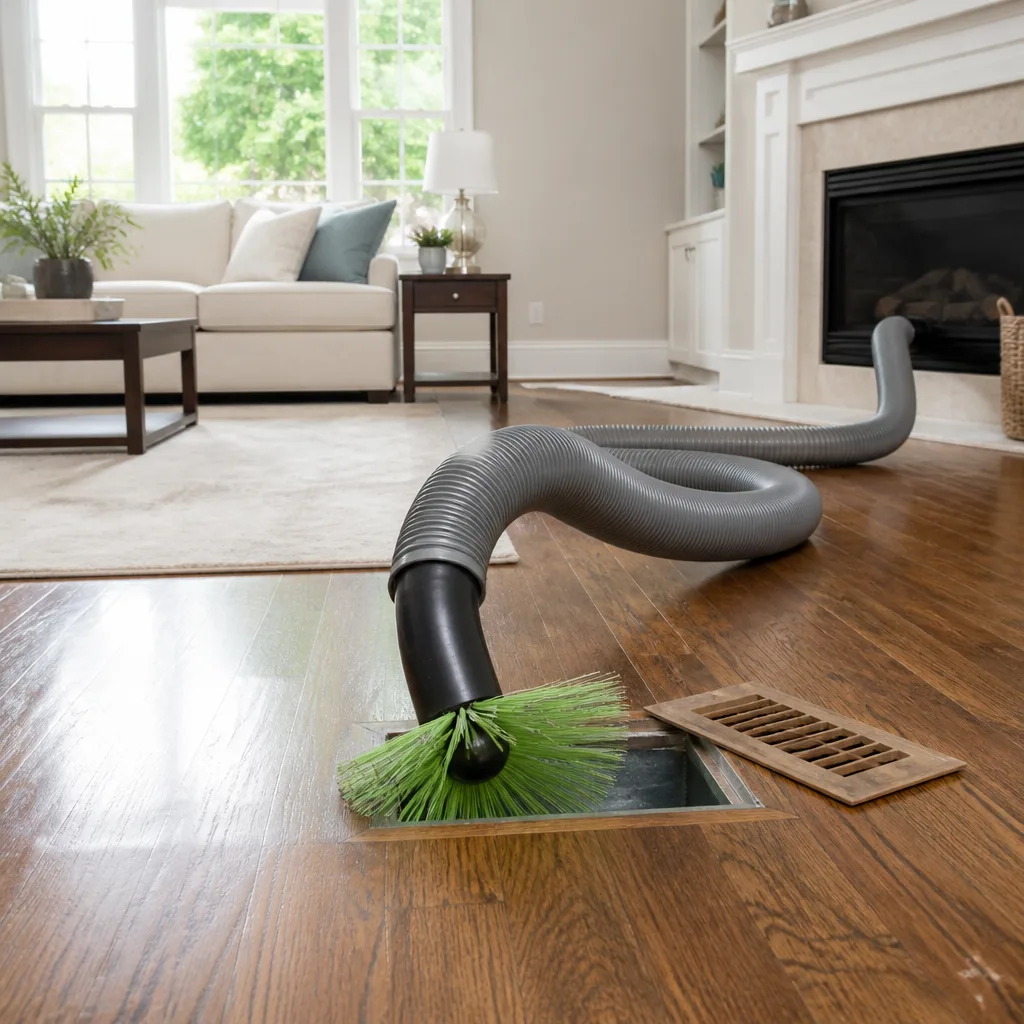 Whole-home duct cleaning
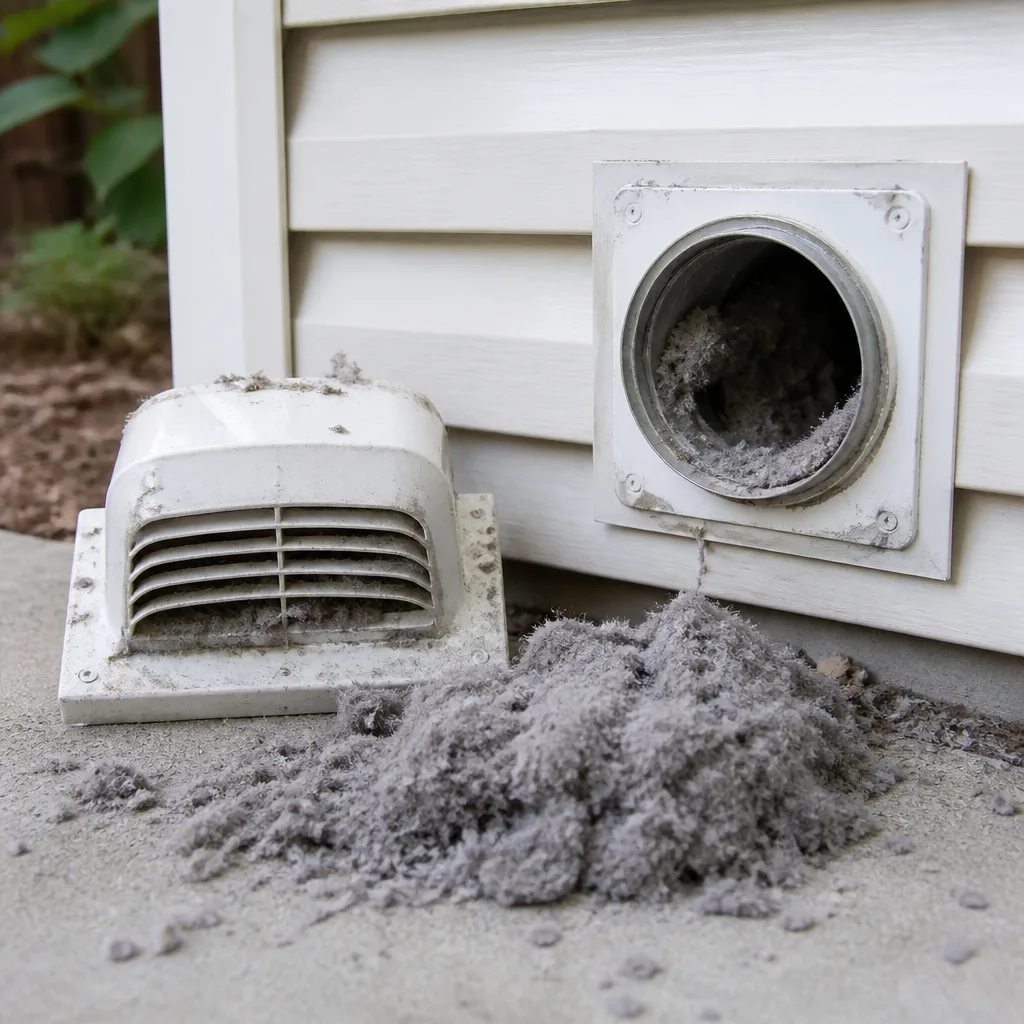 Dryer vent cleaning
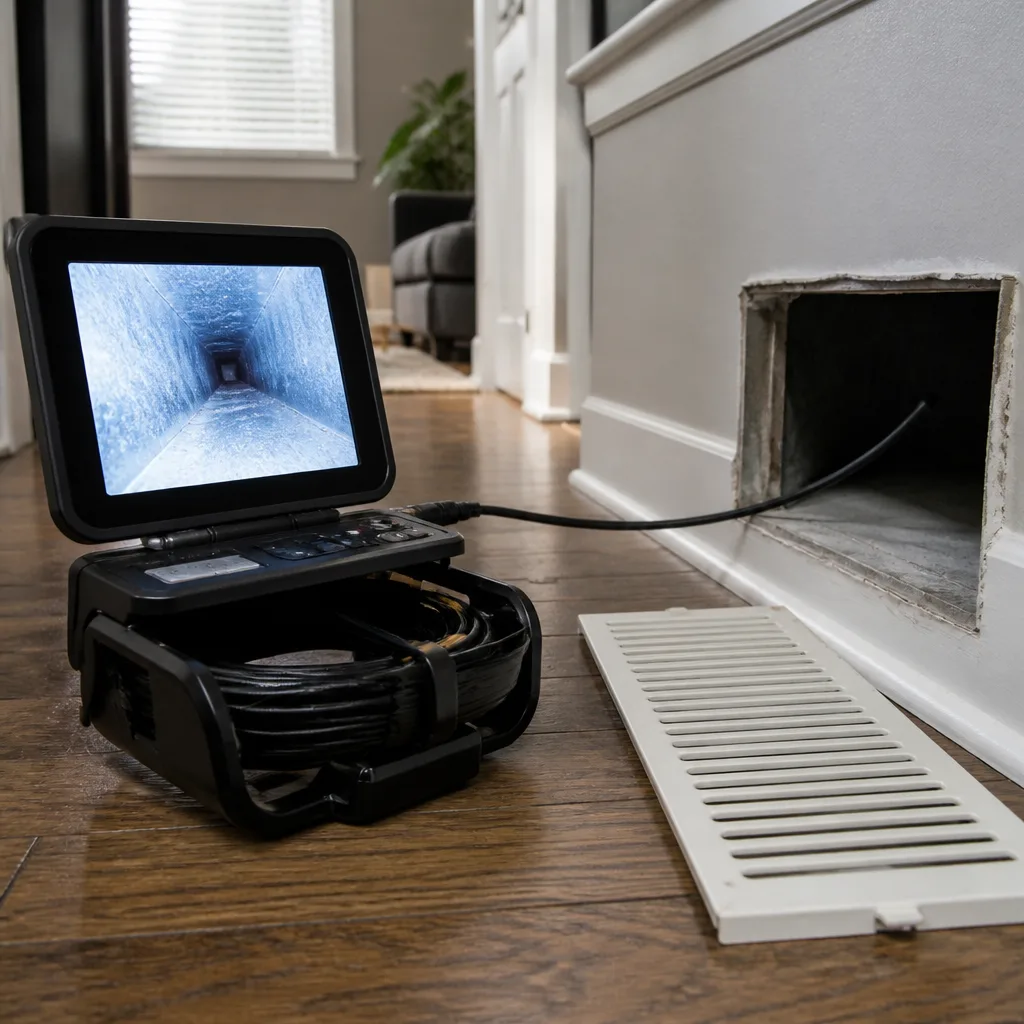 Camera inspection
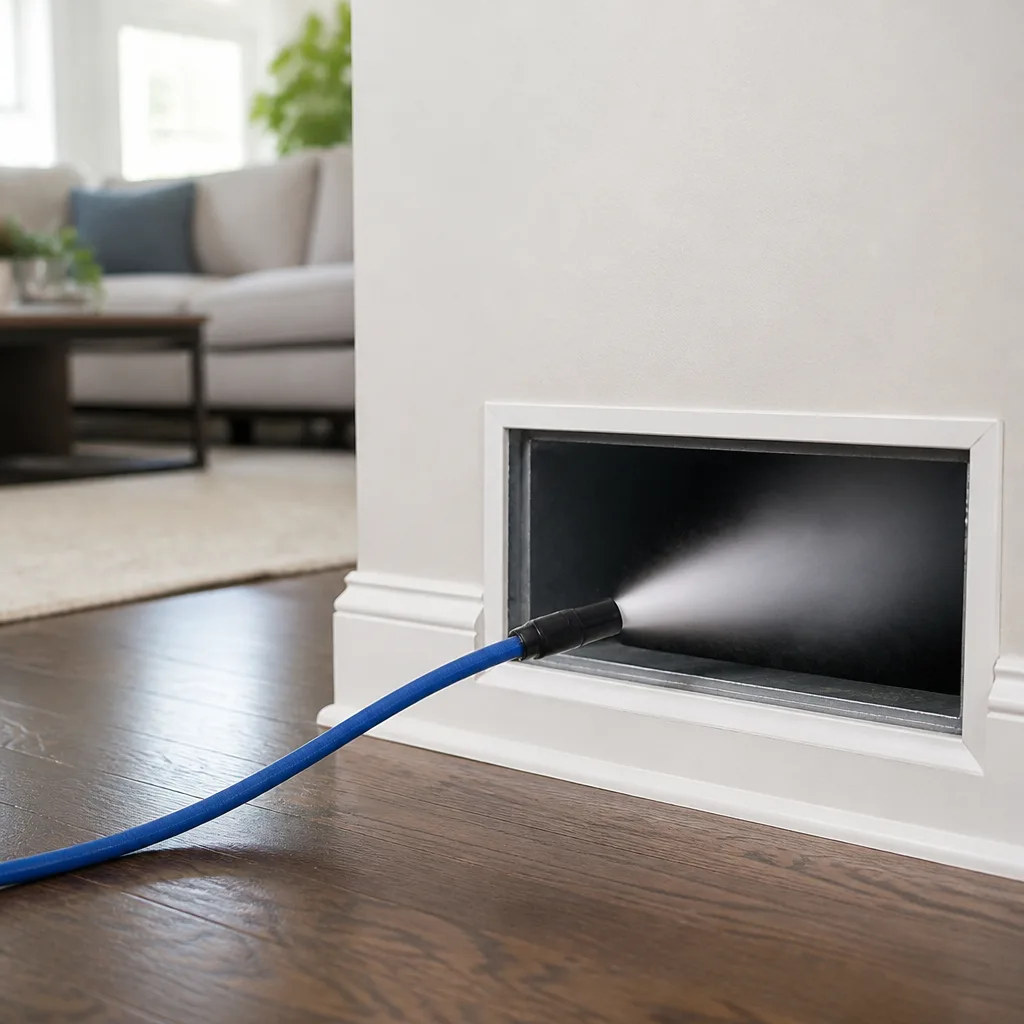 Sanitizing & deodorizing
Whole-system duct and dryer vent check with before-and-after photos - you see exactly what came out of your vents
That "$99 whole-house special" is a bait ad - the real number appears once they are in your hallway, or the "clean" is a shop-vac at the register. We photograph the inside of your ducts before and after instead.
The Complete Guide to Air Duct Cleaning in Myers Park
Most homeowners assume duct cleaning is duct cleaning. One truck, one wand, one price. That assumption costs people a lot of money in Myers Park, because the housing stock here spans pre-war bungalows with original galvanized sheet metal to 1990s builds running flex duct through the attic, and the same cleaning protocol doesn’t work on both. A method that pulls a flex run apart can leave a century-old metal trunk line half dirty. Charlotte’s summer humidity adds another variable: ductwork here holds moisture in ways that ductwork in Phoenix never will. This guide walks you through what a technically complete cleaning actually looks like in Myers Park, how to read the report afterward, and how to tell a thorough job from a profitable shortcut.
Quick Answer
In Myers Park, a technically complete air duct cleaning means source removal: negative-pressure containment, mechanical agitation matched to the duct material (sheet metal, flex, or fiberboard), HEPA-filtered extraction, and a documented before-and-after record of what came out. It is not a blow-out with a shop-vac. A surface wipe or a quick vacuum of the registers leaves the settled debris in the trunk lines and branch runs, which is exactly where it re-enters your living space.
Styles & brands we work with
- Whole-home duct cleaning
- Dryer vent cleaning
- Camera inspection
- Sanitizing & deodorizing
Table of Contents
- Why Myers Park’s Housing Stock Changes the Job
- Duct Material: Sheet Metal, Flex, and Fiberboard
- Charlotte Humidity and Mold Risk Inside Ductwork
- Source Removal vs. Surface-Only Blow-Out
- The Equipment That Separates Pros From Pretenders
- How to Read a Post-Cleaning Report
- What Air Duct Cleaning Costs in Myers Park
- How Often Ducts Actually Need Cleaning
Why Myers Park’s Housing Stock Changes the Job
Myers Park is one of the older residential neighborhoods in Charlotte, and the housing spans more than a century of construction methods. A 1920s bungalow off Queens Road may still have its original galvanized rectangular trunk lines, sometimes retrofitted with flex branch runs added during a 1980s renovation. A 1990s build near Sharon Road might run flex duct almost end to end. A mid-century ranch could have a mix of both, with fiberboard ductboard sections in the return plenum.
Each of those configurations demands a different cleaning approach. Galvanized sheet metal can tolerate aggressive mechanical agitation, including power brushing and air whips at higher pressure. Older metal sometimes has seams that have loosened or rusted, and those need to be identified before you put pressure behind them. Flex duct cannot be power-brushed the way metal can; the wire helix inside can deform, and the inner liner tears easily. Fiberboard is the most fragile of the three and requires lower pressure and gentler contact tools.
This is why a Myers Park duct cleaning estimate that arrives without anyone inspecting the actual duct system is worth very little. The correct method depends on what’s in the walls and attic, not on the square footage of the house. We ask what decade the home was built and whether any ductwork was replaced before we set expectations about which tools go in first.
For a full walkthrough of the parent service, see Air Duct Cleaning Myers Park.
Duct Material: Sheet Metal, Flex, and Fiberboard
The single most important variable in a cleaning job is what the ducts are made of. Here’s how each material changes the correct method and equipment pressure settings.
- Sheet metal (galvanized or older): Tolerates power brushing and high-pressure air whips. Needs seam inspection first because rusted or loosened joints can leak once agitation starts. Cleaning is usually the most complete of the three because the surface is smooth and non-porous.
- Flex duct: Requires lower pressure and non-contact agitation, typically air whips or soft brushes. The inner liner is a thin plastic film over a wire helix, and too much pressure collapses the run. Flex also traps debris in the corrugations, so extraction needs more dwell time.
- Fiberboard (ductboard): Porous by design, meaning debris can work into the material itself. It can’t be washed. Cleaning removes surface contamination, but deeply infiltrated ductboard sometimes needs replacement rather than cleaning. We tell homeowners that honestly rather than running a brush through it and calling it done.
A thorough Myers Park duct cleaning sometimes involves all three materials in a single home, which means the technician switches tools room by room, run by run. If a company arrives with one tool and one pressure setting, that’s a signal they’re not inspecting the system before they start.
Charlotte Humidity and Mold Risk Inside Ductwork
Charlotte’s summers are humid enough that ductwork here sees condensation conditions a dry-climate home never faces. When the air conditioning runs, cold air moves through the supply ducts and the metal surface stays well below the dew point of the surrounding attic or wall cavity. If a run isn’t sealed or insulated properly, moisture forms on the outside, and sometimes on the inside where the return air carries humidity from the living space.
That moisture does two things that matter for duct cleaning:
- It turns settled dust into a food source. Dust alone is a nuisance. Damp dust becomes a substrate, and the porous surfaces inside flex and fiberboard hold that moisture longer than sheet metal does.
- It puts the return side of the system under constant load. Return ducts pull from the living space, so whatever air the house holds ends up coating the return walls over time.
The practical takeaway is that a Myers Park home that’s had no duct service for years may have more than dust in the system. It may have microbial growth on the interior surfaces, particularly in the return plenum and anywhere flex duct runs through an unconditioned attic. That’s the scenario where a documented sanitizing step after cleaning matters. A defined contact-time treatment applied after the physical removal is different from a spray-and-go, and it’s what we do with a Guardsman-backed protocol so there’s a repeatable, documented process rather than an ad-hoc one.
If a technician cleans without addressing the moisture source, the problem comes back. Sealing and repair belong in the same conversation as cleaning, not in a follow-up visit six months later.
Source Removal vs. Surface-Only Blow-Out
Source removal is the industry term for physically extracting the debris that’s accumulated on duct surfaces and taking it out of the system. A blow-out does the opposite: it loosens debris with air and lets some of it settle back into the ductwork or blow into the living space. Here’s what a source-removal process actually looks like, step by step.
- System inspection and documentation. A technician maps the duct layout, identifies materials, and photographs the interior before touching anything. This is the baseline record.
- Negative-pressure setup. A HEPA-filtered vacuum unit connects to the main trunk so the whole system sits under negative pressure while work happens. This is what keeps loosened debris from drifting into the house.
- Register-to-trunk agitation, run by run. Each supply and return branch is worked from the register end toward the trunk using the correct tool for that material: power brush on metal, air whip or soft brush on flex.
- Trunk line extraction. The main trunk is agitated and extracted last, after the branches have fed their loosened material into the pressure zone.
- Component cleaning. The blower, evaporator coil surface where accessible, and any accessible plenum surfaces are cleaned. This is where HVAC cleaning overlaps with duct work, and it’s why the two services are often done together.
- Sanitizing where warranted. A defined contact-time treatment on surfaces that showed evidence of moisture-related growth. Not a spray-and-go, and not applied as a default upsell.
- Verification and post-cleaning photos. Same runs, same angles, documented result. This is the record that lets you confirm what changed.
A surface-only blow-out skips steps 2, 3, 5, and 7. It may take forty-five minutes. A proper source-removal cleaning on a Myers Park home with multiple duct materials takes considerably longer, and that’s the right outcome.
The Equipment That Separates Pros From Pretenders
Most of what separates a real cleaning from a made-for-Yelp performance is the equipment inside the truck. Shop-vacs repurposed for duct work can’t sustain the airflow needed to carry debris out of a twenty-foot run, and they don’t hold filtration fine enough to prevent re-release of what they pull in.
Purpose-built duct cleaning systems are engineered around two things: sustained negative pressure and HEPA-level filtration. Rotobrush and Nikro are the names you’ll see in professional duct-cleaning trucks because their systems are built to maintain that pressure across the whole job while keeping what comes out of the duct out of the air you’re standing in. For jobs where contamination runs higher than routine maintenance, Abatement Technologies equipment exists specifically to handle the extraction and filtration load those situations create.
On the filtration side, once the ducts are clean, the equipment and product ecosystem matters as much as the extraction. Honeywell and Aprilaire filtration products are what we install because they’re designed to integrate with the existing system, not sit on the floor of the hallway. A MERV-rated media filter in the return, or a whole-home unit installed properly, extends the interval between cleanings and reduces what accumulates in the first place.
If a company can’t tell you what equipment they use, or answers with “professional-grade” without naming it, that’s information. On a Myers Park job where galvanized and flex both need to be worked, the right tools change mid-job. That only happens with a system built for it.
How to Read a Post-Cleaning Report
A post-cleaning report should let you verify what happened without taking anyone’s word for it. Here’s what’s worth looking for.
- Before-and-after photos of your own ducts. Same angles, same runs, matched visually. Not stock images, not a photo of “typical” ductwork.
- Duct inventory. The number of supply and return runs, the materials identified, and any runs that weren’t cleaned and why. A home with a hidden run behind a finished wall should be documented as inaccessible, not silently skipped.
- Material notes per run. Which runs are sheet metal, which are flex, which are fiberboard. That record matters for scheduling and for whoever works on the system next.
- Debris volume description. Qualitative description of what came out (construction dust, pet hair, general accumulation) rather than a number that sounds impressive.
- Sanitizing record, if applied. Which product was used, where it was applied, and what the contact time was. A defined protocol creates that record. An ad-hoc spray doesn’t.
- Components cleaned beyond the ducts. Blower, coil surface (if accessible), return plenum, registers.
What the report shouldn’t do is substitute adjectives for evidence. “Thoroughly cleaned” without documentation is worth the paper it’s printed on. We hand over photos of the actual runs on every job because that’s the only honest way to close the loop.
What Air Duct Cleaning Costs in Myers Park
Homeowners searching for air duct cleaning in Myers Park often find teaser coupons quoting a low figure per vent, and those numbers rarely hold once a technician is on site. The real range depends on the size of the system, the number of runs, duct materials, and whether contamination calls for a sanitizing step or a repair.
Here are the typical estimated ranges you’ll see in Myers Park for a residential duct cleaning. The written estimate sets the final price:
- Standard air duct cleaning for a typical single-system home: $350 to $600.
- Air duct cleaning with sanitizing where moisture-related growth is present: $450 to $800.
- HVAC component cleaning (blower, coil surface, plenum): $200 to $450 depending on accessibility.
- Dryer vent cleaning as a dedicated service: $120 to $225 depending on run length and vent path. See dryer vent cleaning.
- Duct repair and sealing where runs have separated or seams have opened: $250 to $800 depending on the extent.
Why do those ranges look higher than a coupon? Because a real cleaning involves the equipment, time, and documentation described earlier in this guide. A crew that shows up with a shop-vac and twenty minutes can charge less and still turn a profit. The honest answer to “why are some quotes so much cheaper” is that they’re selling a different job.
One flat price per system, agreed before any work starts, is how we quote. No per-vent line items that grow once the technician is inside. No surprise add-ons. If the written estimate says a number, that’s the number.
How Often Ducts Actually Need Cleaning
There’s no universal interval, despite what every industry site says. In Myers Park, the honest answer depends on the specific conditions in your home. These are the triggers worth paying attention to:
- Move-in after a purchase: you don’t know what the previous owner did for five, ten, or fifteen years. If there’s no record of duct service, clean before you settle in.
- Recent renovation: drywall dust, sawdust, and construction debris work into the system and stay there. Clean after the dust settles, not before.
- Persistent allergy or asthma symptoms indoors: if symptoms improve when you leave the house and worsen inside, the air pathway is worth investigating.
- Filters clogging faster than usual: a filter that fills in a few weeks instead of a few months suggests debris accumulation upstream.
- Musty or dusty smell when the system runs: this points to moisture-related growth somewhere in the return or supply path.
- Visible dust at registers or buildup around supply grilles: evidence that debris is being distributed rather than held downstream.
- Long interval since last service: five to seven years is the usual outer bound for typical homes, less in humid conditions or with pets and heavy foot traffic.
Once cleaned, filtration maintenance matters more than the cleaning interval. Changing filters on schedule, keeping the return grille clear, and having the system’s seals inspected every few years is what keeps the ducts in condition.
Common Mistakes to Avoid
- Booking by price alone. The lowest quote is almost always for surface extraction or a shop-vac blow-out, not source removal. Ask what equipment they’ll use before you compare numbers.
- Skipping the inspection. A company that quotes over the phone without asking about the home’s age, duct material, or any recent renovation is guessing. In Myers Park, where duct systems vary block to block, that guess is expensive downstream.
- Assuming a per-vent price is honest. Per-vent pricing works for marketing and breaks on older homes with irregular layouts. A whole-system flat price agreed before work starts is the model that doesn’t shift mid-job.
- Treating sanitizing as a default upsell. A sanitizing step belongs on jobs where the inspection shows moisture-related growth. If it’s always recommended, it’s a sales step, not a technical one.
- Ignoring the return plenum. The return pulls from the living space and holds far more dust than the supply branches. A cleaning that focuses only on supply runs leaves most of the problem in place.
- Skipping dryer vent service. The dryer vent is a separate pathway and a fire risk. It doesn’t get cleaned as part of a duct job unless it’s booked as its own service. Our team runs it as a dedicated service, not an add-on.
- Believing “sanitized” without documentation. A spray-and-go offers no record of product, application area, or contact time. If the sanitizing step matters to you, ask for the protocol.
See the difference
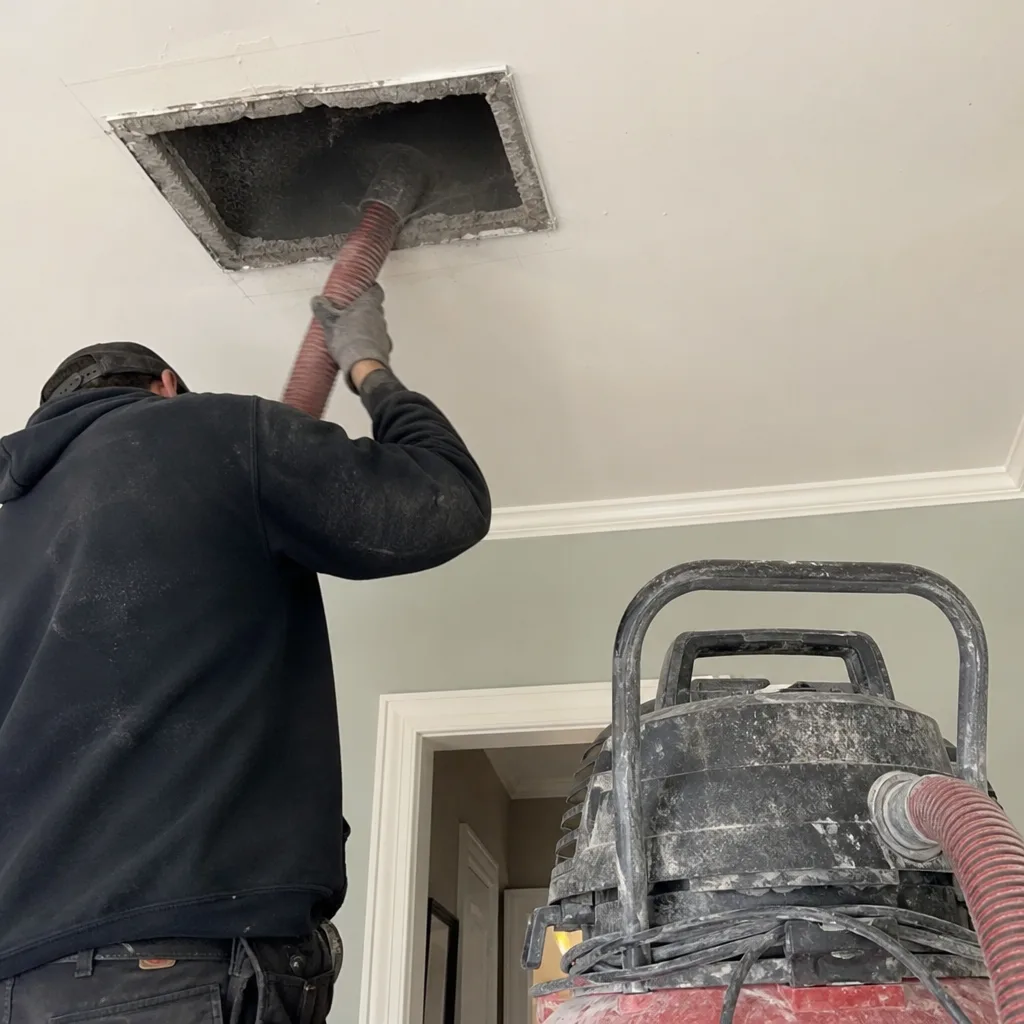 Before
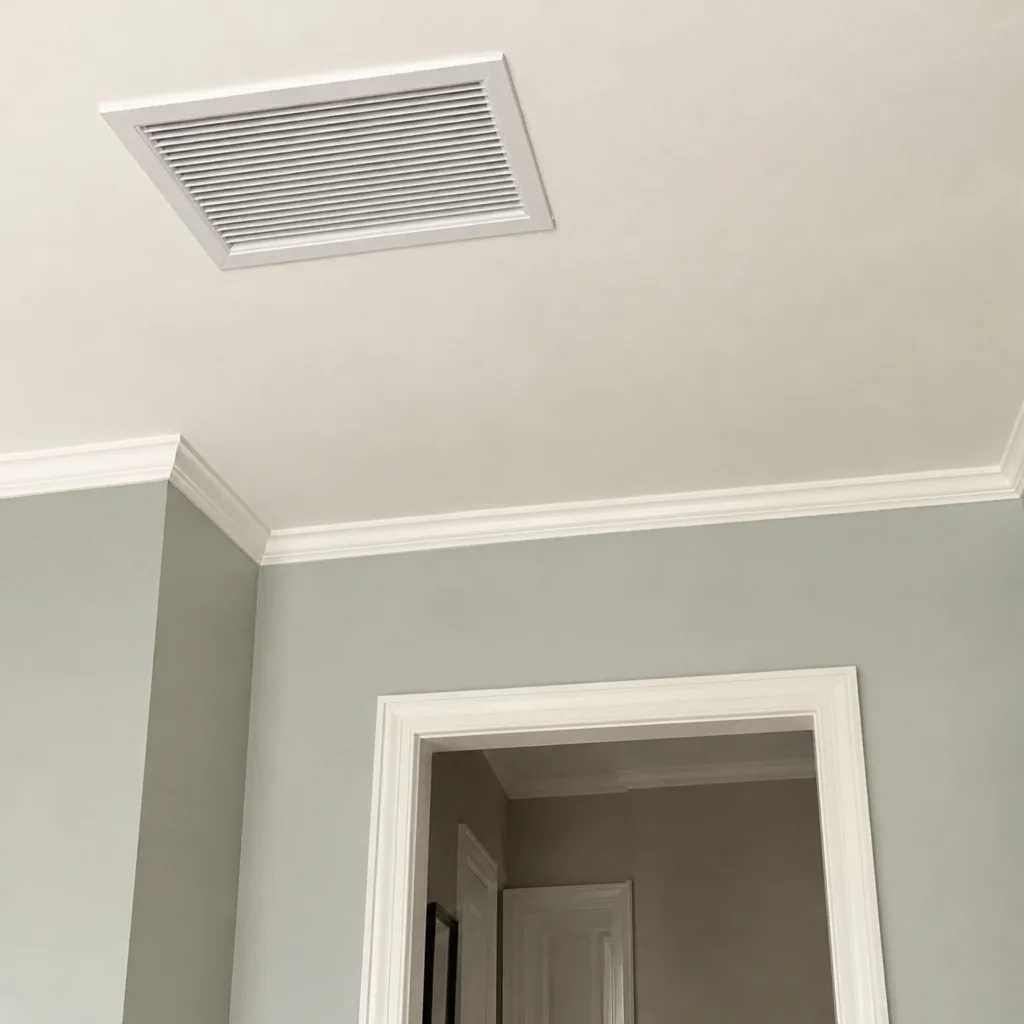 After
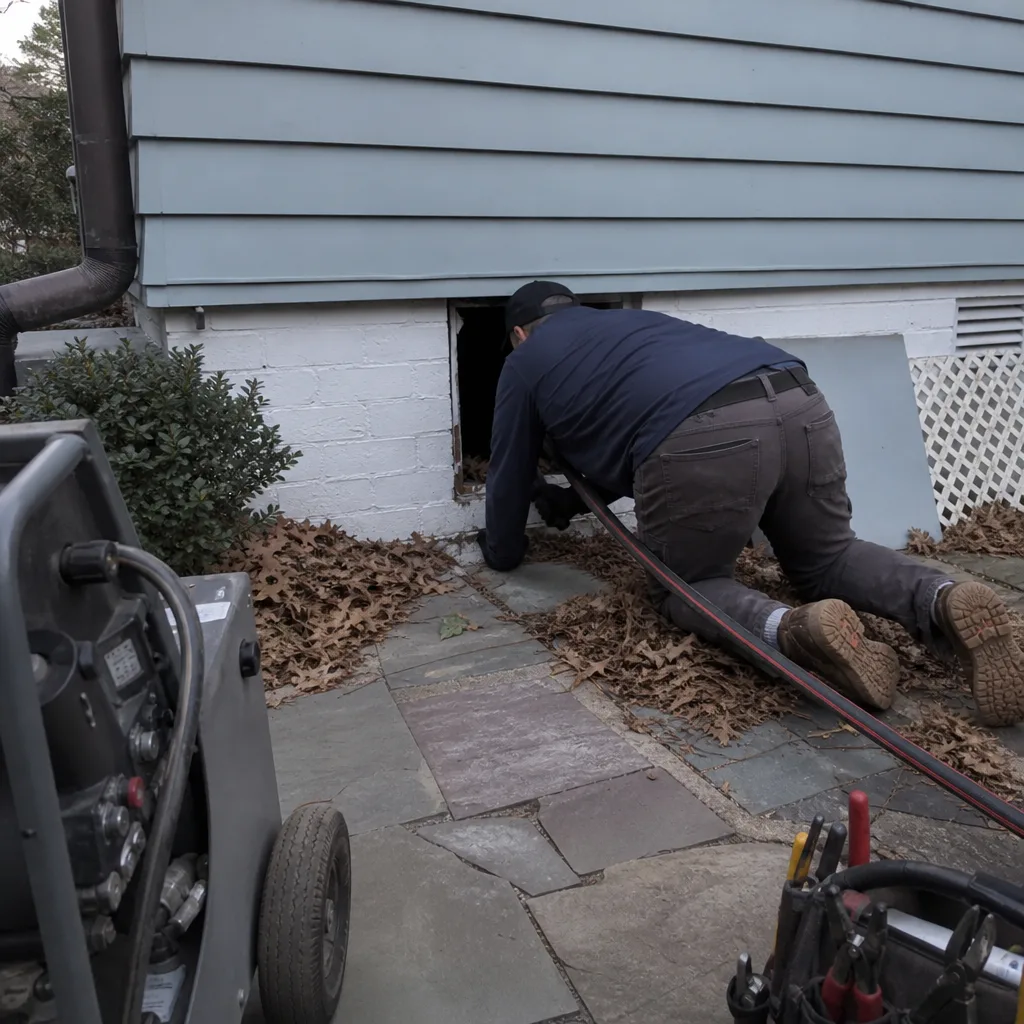 Before
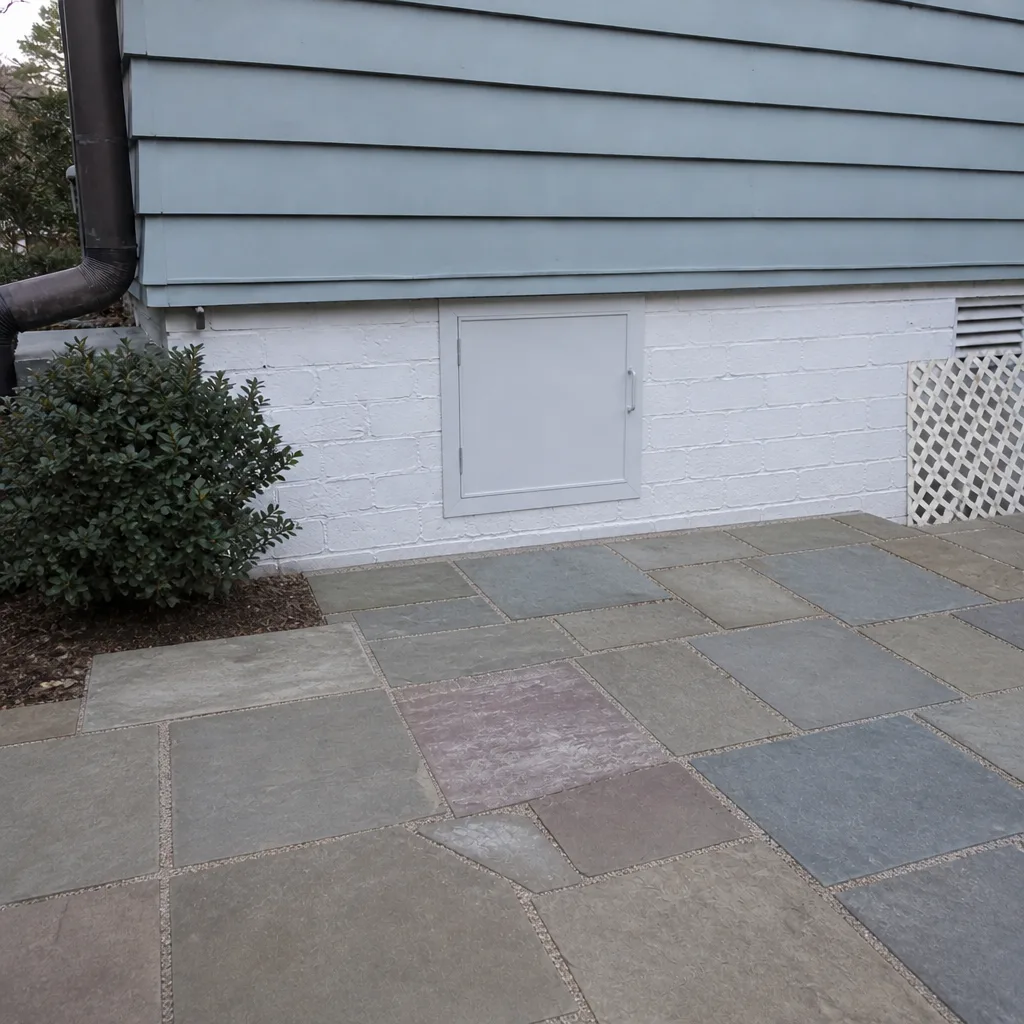 After
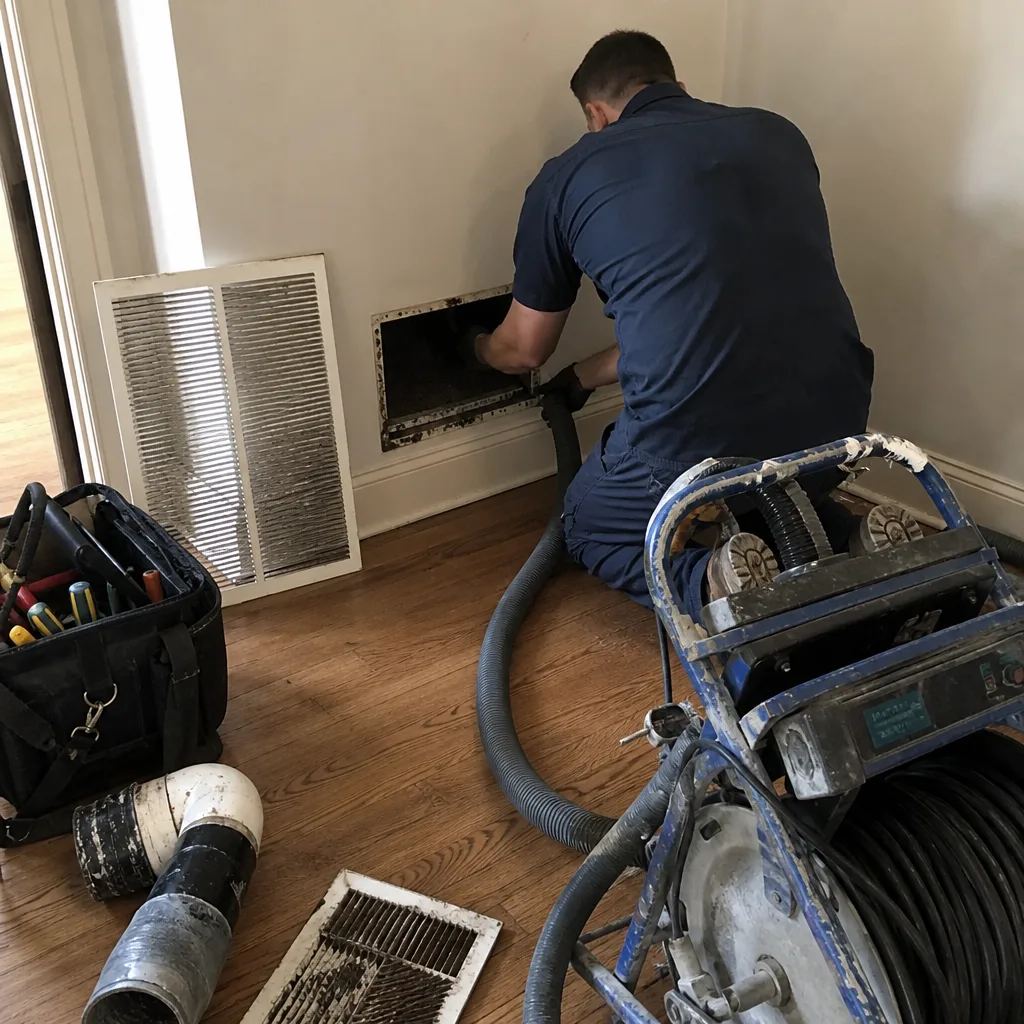 Before
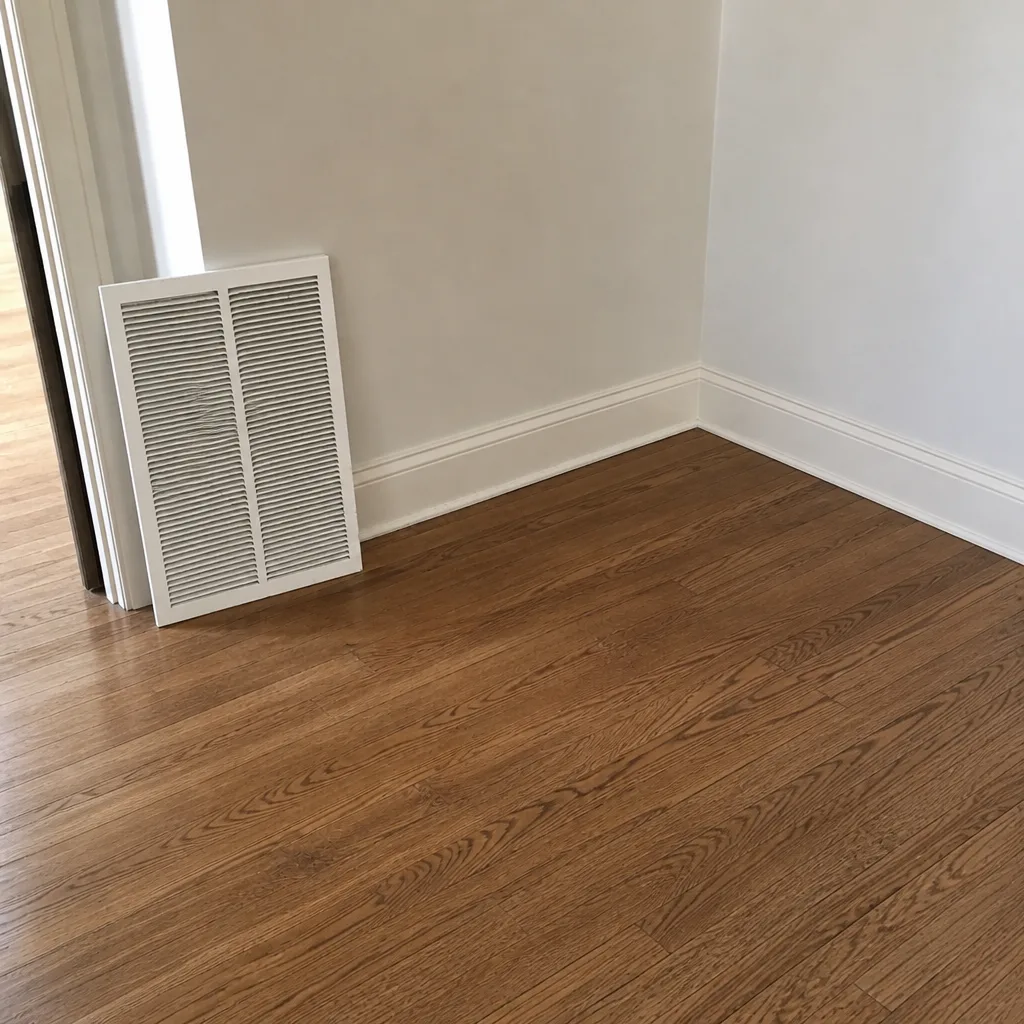 After
When to Call a Professional
Some duct issues are clearly a professional call. If your system shows any of these, it’s worth having someone look at the whole air pathway rather than a single component:
- Persistent musty smell when the HVAC runs
- Visible mold or moisture staining on registers or accessible duct surfaces
- Recent renovation or water intrusion into the duct system
- Frequent headaches or allergy symptoms that track with time indoors
- Filters clogging in weeks instead of months
- A dryer that’s running slower than it used to (that’s a vent call, not a duct call)
Air Duct Cleaning Myers Park offers free estimates in Myers Park – call (877) 792-5816. Estimates are per system, in writing, and the price is set before work starts. Our technicians have up to 11 years of experience, and we work with the local pro’s state-required licensing and insurance.
Frequently Asked Questions
Typical estimated range for a residential single-system home is $350 to $600 for a standard cleaning, and $450 to $800 with a sanitizing step where moisture-related growth is present. That range reflects the equipment, time, and documentation involved in source removal, which is a different job than a coupon-priced blow-out. Call (877) 792-5816 for an exact quote – estimates are free.
Because they’re selling a different job. A cheap quote typically covers a quick vacuum of the registers and a shop-vac pass on the visible trunk – not source removal with negative-pressure extraction and per-run agitation. The debris stays put, and the price reflects that. A written estimate from us names what happens on your specific system. Call (877) 792-5816 to talk through the details.
Before-and-after photos of your own ducts, taken at the same angles on the same runs, plus a duct inventory telling you what was cleaned and what wasn’t. That documentation is the only honest answer to “did this happen.” We hand over the photos as part of every job. Call (877) 792-5816 for a sample report.
There’s no single answer, but for Myers Park homes with typical dust loads, five to seven years is a common outer bound. More frequent service makes sense after renovations, on move-in if there’s no service record, or with pets and heavy foot traffic. Charlotte’s humidity also shortens the interval in homes where duct surfaces stay damp. Call (877) 792-5816 to walk through your specific situation.
The dryer vent is a separate service with its own equipment and its own fire-safety reasoning. We treat it as a dedicated job rather than an upsell tacked onto a duct cleaning, so it’s booked on its own. For pricing and scheduling on your dryer vent, see our air duct cleaning service overview or call (877) 792-5816.
Yes, duct repair and sealing sit within our five core service categories. Torn flex liner, separated joints, and opened seams all get addressed as part of the same visit when the inspection finds them, since cleaning a compromised run without repairing it leaves the problem in place. Call (877) 792-5816 to book an inspection.
The Bottom Line
A thorough air duct cleaning in Myers Park looks different from one in a newer suburb with uniform construction. Older galvanized systems need gentle agitation and seam inspection; flex runs need lower pressure; the humidity here makes moisture control part of the job, not an afterthought. Source removal with negative-pressure extraction, per-run agitation matched to duct material, a defined sanitizing step where warranted, and a documented report with before-and-after photos are the hallmarks of a real cleaning. Anything less is a shortcut. If you want to know what your specific system needs, the estimate is free and it’s in writing.
Contact Us for a Free Estimate
Myers Park homes deserve a cleaning method matched to the ductwork inside them. Call (877) 792-5816 for a free estimate on air duct cleaning, dryer vent cleaning, HVAC cleaning, air quality and sanitizing, or duct repair and sealing. We answer 24/7. Fast dispatch, 7am-7pm, Sunday through Friday. One flat price per system, agreed in writing before any work begins, with before-and-after photos of your own ducts handed over when we’re done. Let’s figure out what your home actually needs.
Written by the team at Air Duct Cleaning Myers Park.