
Last updated November 25, 2026
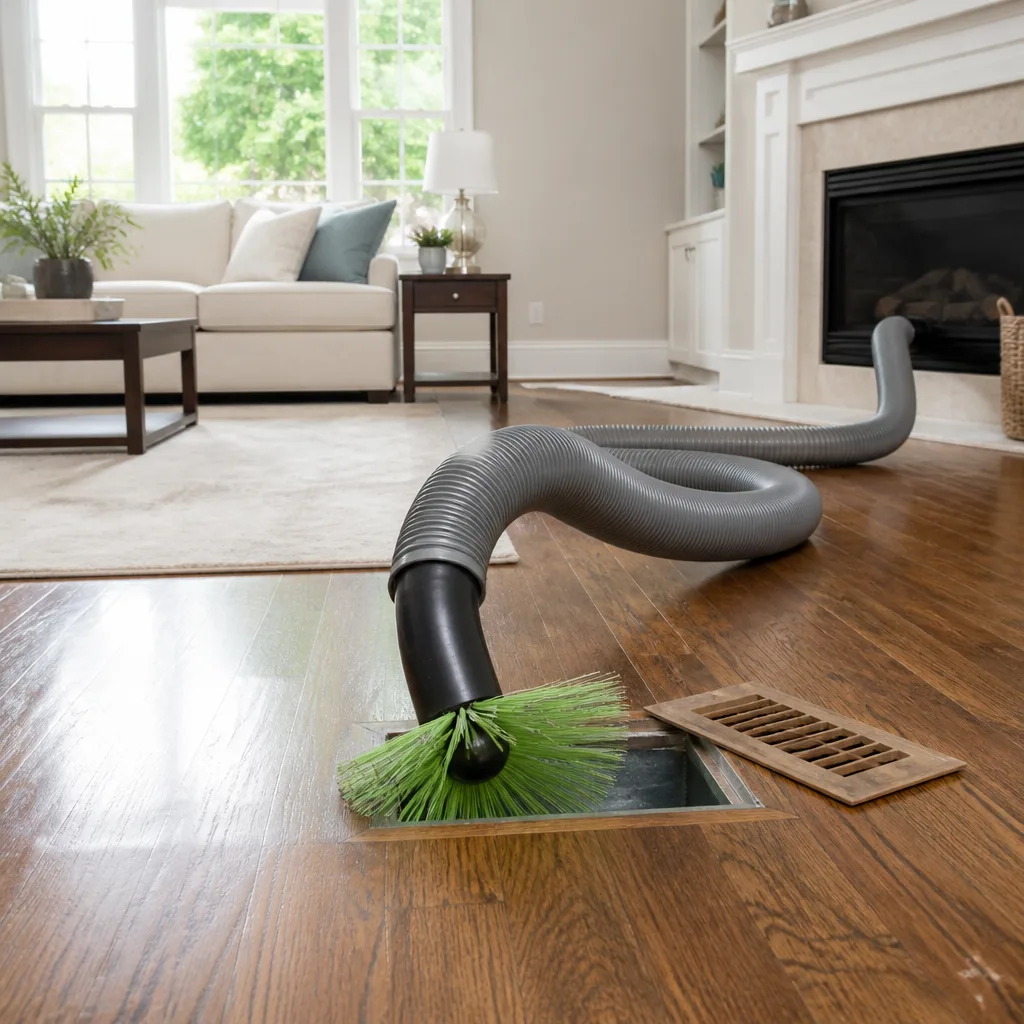 Whole-home duct cleaning
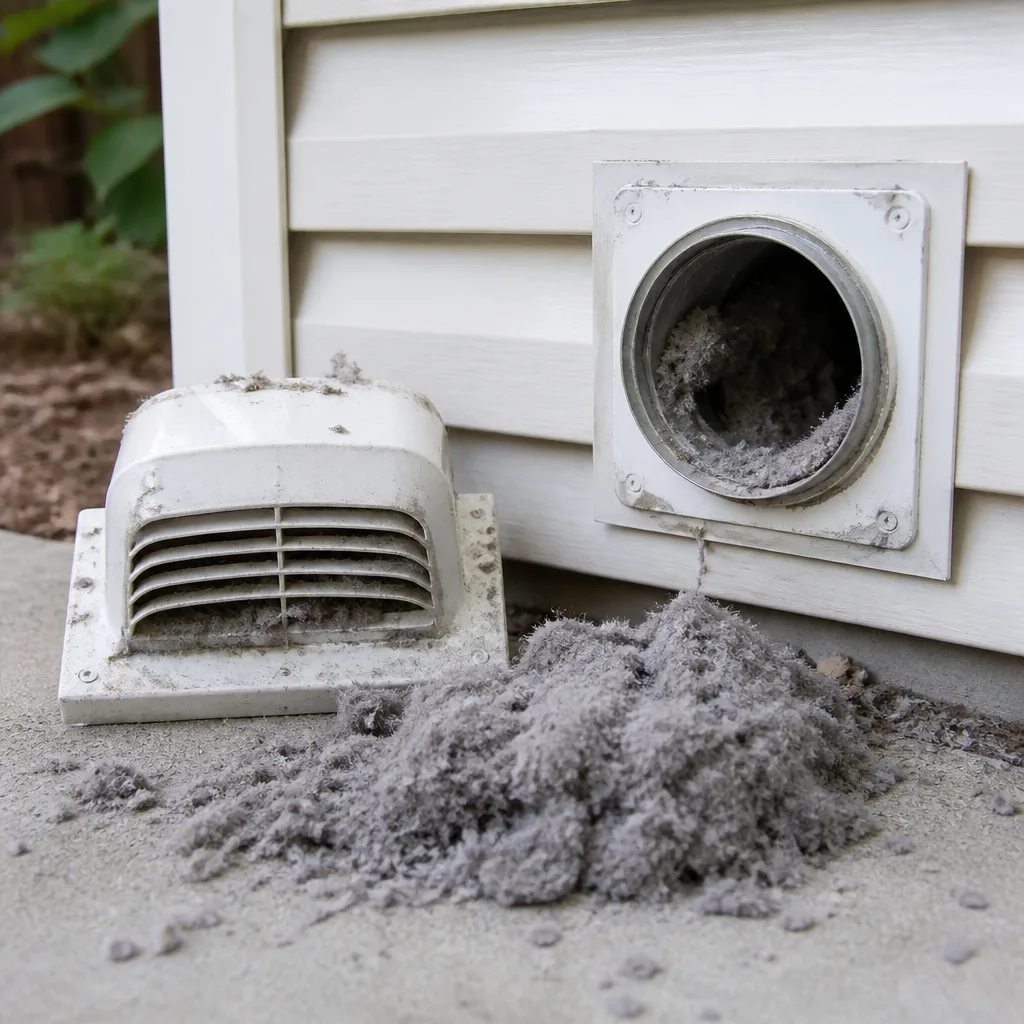 Dryer vent cleaning
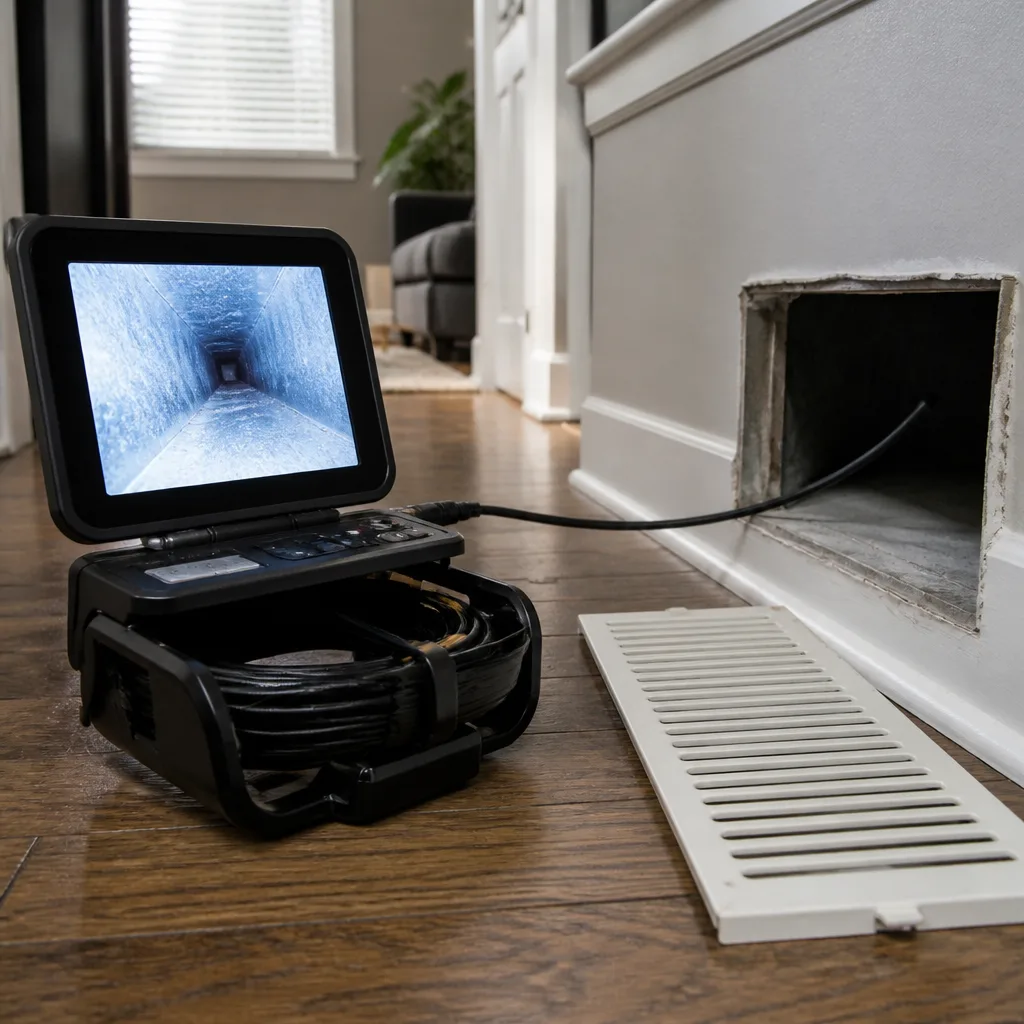 Camera inspection
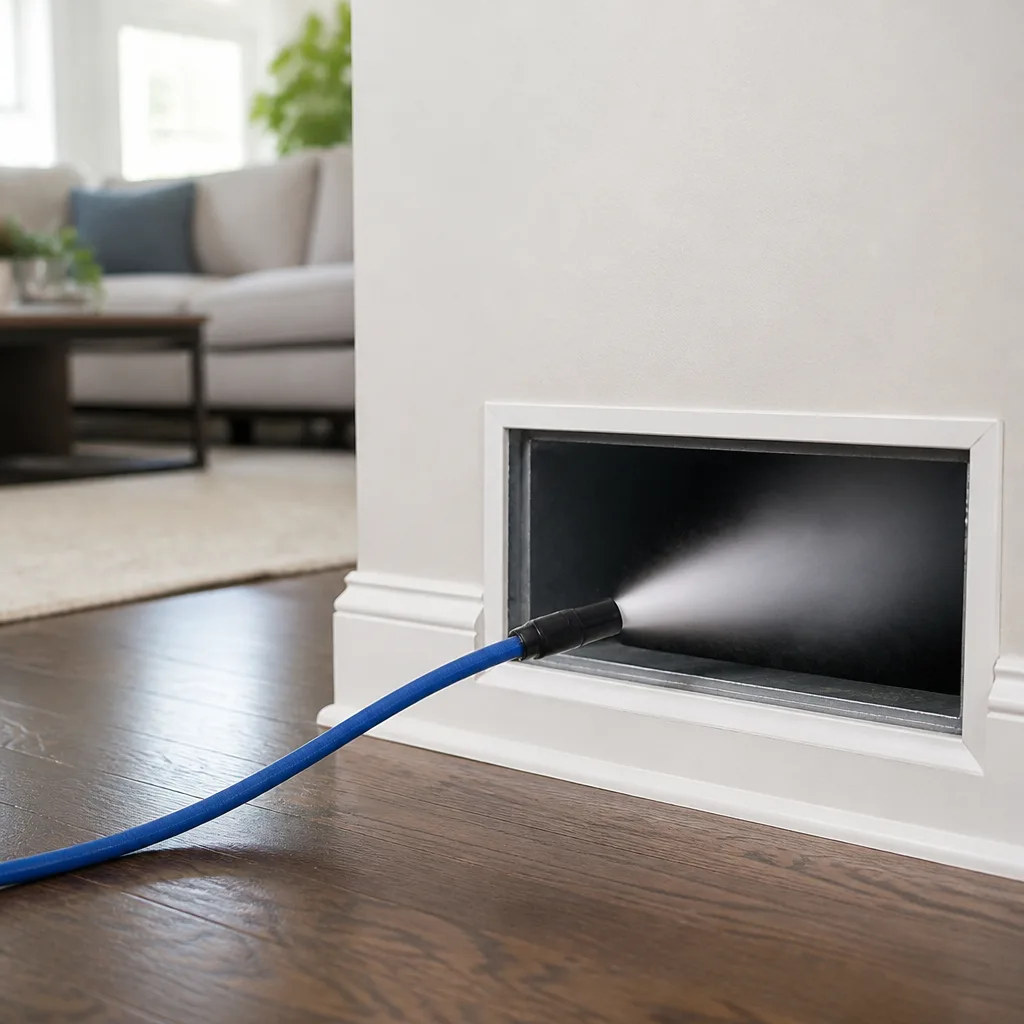 Sanitizing & deodorizing
Whole-system duct and dryer vent check with before-and-after photos - you see exactly what came out of your vents
That "$99 whole-house special" is a bait ad - the real number appears once they are in your hallway, or the "clean" is a shop-vac at the register. We photograph the inside of your ducts before and after instead.
How to Hire an Air Duct Cleaning Contractor in Myers Park: A Step-by-Step Guide
Here’s the part most homeowners never hear: in North Carolina, almost anyone can legally offer air duct cleaning. No statewide license exists for the trade itself, no exam proves an operator knows a brush from a whipsnake, and a van with a wet-dry vac in the back is, on paper, a duct-cleaning business. That gap between what the law requires and what a clean home actually requires is where hiring decisions are won or lost – and it’s why the questions you ask before anyone unloads equipment matter more than the star rating you clicked on first. This guide walks through the vetting process we think every Myers Park homeowner should run: the equipment questions, the pricing math, the documentation to demand, and the red flags that surface before a single vent comes off.
Quick Answer
To hire an air duct cleaning contractor in Myers Park, ask five equipment questions (machine make, model, CFM rating, brush system, negative-pressure setup), insist on before-and-after photo or video documentation, demand a flat whole-system quote rather than a per-vent price, and get local references from homes with similar duct construction and age. A credible operator has no trouble answering any of it; an operator who gets cagey on equipment specs is telling you something. The written estimate always sets the final price, so get it in writing before work starts.
Styles & brands we work with
- Whole-home duct cleaning
- Dryer vent cleaning
- Camera inspection
- Sanitizing & deodorizing
Table of Contents
- Why Hiring Is Harder in NC Than You’d Think
- The Five Equipment Questions That Separate Pros From Generalists
- What NADCA Membership Verifies – And What It Doesn’t
- The Pricing Red Flags That Should End the Conversation
- How to Request and Read Before/After Documentation
- Why Local References Beat Online Star Ratings
- A Step-by-Step Vetting Walkthrough
- When to Schedule and What to Expect in a Myers Park Home
Why Hiring Is Harder in NC Than You’d Think
North Carolina does not license air duct cleaning as a stand-alone trade. A contractor pulling permits for a remodel or handling refrigerant needs the appropriate state credentials, but a company that only cleans the inside of your ductwork can set up shop with a business license and a phone number. That’s the structural reality every homeowner in Myers Park is working against. The credential gap between the best operator in Mecklenburg County and the worst is wider than in plumbing, electrical, or roofing – because in those trades the state does some screening for you.
What fills the vacuum is voluntary. NADCA (the National Air Duct Cleaners Association) publishes standards and offers a certification exam, but membership isn’t a legal requirement to clean ductwork anywhere in North Carolina. Equipment manufacturers like Rotobrush and Nikro build purpose-made duct cleaning systems; plenty of operators instead use a Shop-Vac or a rented negative air machine and call it professional. And because the customer can’t easily see inside the duct, the gap between an operator who did 45 minutes of real work and one who did six hours is mostly invisible without documentation.
Myers Park homes make this stand out. A lot of the housing stock here is older – mature trees, established streets, and duct systems that have been through multiple HVAC replacements over the decades. Old ductwork holds what it holds. In Myers Park especially, we’ve found that the difference between a proper cleaning and a cosmetic one becomes obvious within a few weeks of turning the system back on, when dust either stays in the ducts or starts settling on surfaces again. That’s the outcome you’re actually vetting for, and the vetting happens before anyone arrives.
So the job of this guide is to hand you the questions that surface the technical reality. If you already know you want the work done, the easiest path is to air duct cleaning in Myers Park with a company that will answer the equipment questions up front – but if you’re still weighing operators, keep reading.
The Five Equipment Questions That Separate Pros From Generalists
Ask these before you book. You don’t need to know what every answer means – you need to hear whether the operator gives you one. Generalists tend to get vague; specialists tend to get specific.
- What machine will be on the job, and what model? Purpose-built duct cleaning rigs have model names. If the answer is “a commercial vacuum,” ask which one. Rotobrush and Nikro are two brands you’ll hear from serious operators; a wet-dry vac is not the same tool and no amount of confidence makes it one.
- What’s the CFM rating? CFM means cubic feet per minute – the volume of air the machine can pull. Higher airflow means better agitation release inside the duct, which matters most on the long trunk runs typical of older Myers Park homes. An operator who can’t tell you the number probably doesn’t know it, and that’s a data point about how they chose the equipment in the first place.
- What type of brush or agitation system? Rotary brushes, forward air sweeps, and cable-driven whips are all legitimate approaches, but they work differently in rigid metal ducts versus flex duct. A pro will ask what kind of ductwork you have before telling you which system they’ll use.
- How do you set up negative pressure? This is the single most important process question. Negative-pressure extraction keeps dislodged debris from migrating into the living space while it’s being pulled out. If the operator doesn’t understand the phrase or the concept, the cleaning is being done backward.
- Do you seal off the supply and return registers during the work? Every register not being actively cleaned should be covered. It’s a small detail that tells you a lot about whether the operator thinks about contamination control or just about getting in and out.
You’ll notice none of these questions require the operator to badmouth a competitor. They’re technical checks. A specialist answers them in a calm, factual sentence or two. A generalist deflects toward price or toward a friendly speech about how they’ve been doing this a long time.
What NADCA Membership Verifies – And What It Doesn’t
NADCA membership is a reasonable floor, not a ceiling. It tells you the operator has at least engaged with industry standards and, if certified, has passed a written exam on duct cleaning practice. The association publishes a standard (ACR, Assessment, Cleaning, and Restoration of HVAC Systems) that a certified firm is supposed to follow. That’s meaningful, and if you’re choosing between two operators and one has NADCA credentials and the other has never heard of it, the credentialed one starts ahead.
What membership doesn’t do is guarantee the work. It doesn’t substitute for the equipment questions above. It doesn’t verify a specific technician’s training on the day of your job. It doesn’t certify the number of CFM their machine pushes or the brush type they use in your duct layout. And critically, membership isn’t enforced – any firm can claim to follow NADCA standards without actually being a member, so ask to see the membership confirmation if that credential is doing real work in your decision.
In our experience in Myers Park, the more useful signal isn’t the logo on the van – it’s whether the operator can describe their process in terms that match a NADCA-style sequence: assess the system, protect the home, put the system under negative pressure, agitate the duct surfaces, extract debris, verify with visual inspection, and document the result. If the operator’s process description sounds like that list, they’ve either been trained or they’ve absorbed the standards through real work. If it sounds like “we blow it out real good,” the credential question is moot.
You can also ask whether the operator uses additional contamination-control equipment when the situation calls for it – brands like Abatement Technologies make systems for elevated contamination scenarios, which is a different job than routine maintenance cleaning. A firm that owns that kind of equipment tends to know the difference between a maintenance clean and a remediation-level clean, and can tell you which one your home actually needs. That’s a useful technical dial.
The Pricing Red Flags That Should End the Conversation
A whole-house air duct cleaning quote under $150 is structurally impossible for a proper job. Run the math: a crew of two, several hours on site, purpose-built equipment that costs more than a small used car, and a written estimate that sets the price before work begins. That math doesn’t collapse to $99 no matter how efficient the crew is. When you see a teaser price that low, it’s a door-opener number, and the real invoice will appear on site once the technician “discovers” that your ducts are worse than expected.
The safe pricing frame is per system, not per vent. Here’s what separates a real quote from a bait number:
- Whole-system flat pricing. A single price covering the full air-pathway – supply and return – agreed before work starts. Per-vent pricing ($X per register) gives the operator every incentive to find “extra” vents once they’re on site.
- Written estimate before the work. Not a phone number, not a “ballpark,” not a price that depends on what they find. If they won’t put it on paper before they unload, the price is not final.
- No on-site upsells as the primary invoice. A sanitizing treatment, a duct-sealing job, or a filtration product can legitimately be part of the work if it’s scoped in advance. If those categories appear for the first time when the tech is already in your attic, the pricing has been restructured mid-job.
- No “coupon price” that requires a specific day or a specific condition to hold. A legitimate quote is a quote. A coupon is a lead generator.
- No separate emergency, weekend, or after-hours surcharge language. Duct cleaning is a scheduled job. The price is the price. If a company prices the same work differently depending on when you book it, ask why.
Similarly, be suspicious when a company quotes you without asking a single question about your home: square footage, system age, duct type, number of returns, whether there have been recent renovations. A real duct cleaning quote varies with the system. A general contractor in Myers Park who quotes duct cleaning off a website form without asking your square footage is not quoting your job; they’re quoting a template.
One more piece: understand what’s included. A proper job includes supply and return cleaning, register covers removed and cleaned, and some form of visual verification at the end. If supply-only cleaning is the quote and return cleaning is an option added later, that’s a smaller job being marketed as a full one.
How to Request and Read Before/After Documentation
Ask for before-and-after photos or video inspection footage – of your own ducts, not stock images or a highlight reel from another job. This is your main verification tool, and asking for it also filters out operators who plan to do less than the work they quoted.
The request itself is simple: “Will you take photos of each main trunk and the return box before and after cleaning, and can I see them before you pack up?” A credible operator says yes without hesitation. Even better if they use a small inspection camera or borescope to look inside the trunk after the cleaning – a physical check that debris has actually been pulled out, not just dislodged.
When you look at the images, here’s what to focus on:
- Same location, before and after. The photo pairs should show the same section of the same duct. If the after photo is of a different spot, the documentation doesn’t tell you much.
- Duct surface, not just interior air. A clean duct means the metal or flex liner itself is visibly clear of caked dust and debris, not just that the vacuum has been run past it.
- Return plenum and blower area. The return side collects the most debris. Ask specifically for photos of that section, not only the supply runs.
- Registers. Cleaned registers should be visibly clean when reinstalled. If they look the same as when they came off, the rest of the job is a question mark.
Video inspection is even better than stills when the operator has the equipment. It’s not a gimmick – it’s the same category of verification a plumbing contractor uses with a sewer camera. If a company positions itself around indoor air quality and doesn’t own a camera to check inside the ducts, that’s a mismatch between the marketing and the tools.
Why Local References Beat Online Star Ratings
An aggregate star rating tells you how a company handled reviews across a whole service area over an unspecified period. It doesn’t tell you whether the operator has cleaned a 1960s brick ranch with rigid metal ducts and a whole-house return, or whether they’ve mostly worked on newer construction with flex duct in the attic. Those are different jobs. The question is whether the operator has done the job your house actually needs.
So when you ask for local references, be specific: “Can you connect me with a customer in Myers Park or nearby, in a home of roughly this age and this duct type, who had the same job done?” A serious operator has references to give. It’s not evasive to say “let me check who I can share” – it’s evasive to say “we don’t share customer info” and then move on.
Also ask your neighbors. Myers Park is an established neighborhood where the housing stock shares a lot of characteristics: older duct systems, mature trees that drop debris, HVAC units that have been replaced two or three times while the ductwork stayed. If a neighbor has had the work done recently and is willing to describe the process and the outcome, that’s a stronger signal than any online rating. You get to hear the specifics of what happened in a home like yours.
One more thing about reviews: sort by recent rather than by top. A duct cleaning company that used to do good work and has quietly cheapened its process still has the old reviews. Recent ones tell you what the current crew is actually delivering.
A Step-by-Step Vetting Walkthrough
Here’s the process, condensed into the order to actually run it. This is the same structure we’d want a homeowner to use if they were interviewing us:
- Search locally first. Look for operators who work in Myers Park and surrounding areas of Charlotte. Distance matters less than local experience – a company that regularly works in older neighborhoods here knows what they’re walking into.
- Call and ask the five equipment questions. Make, model, CFM, brush system, negative pressure. Listen for specific answers, not adjectives.
- Ask about NADCA credentials and whether the operator follows an ACR-style sequence. Look for a description of assessment, protection, negative pressure, agitation, extraction, and verification as one continuous process.
- Request a written estimate per system, not per vent. Confirm it’s the final number, not a “starting at.” Ask what’s included – supply, return, registers, documentation.
- Ask for before-and-after documentation on your own ducts. Confirm they’ll show it to you before leaving. Video inspection is a plus.
- Ask for local references in homes of similar age and duct type. A Myers Park reference from a similar home is worth ten aggregate star ratings.
- Confirm price doesn’t change on the day. There should be no “well, now that we’re up here” upcharge unless it’s a genuinely new discovery, and the discovery should be documented with photos before any additional work is quoted.
- Book the work. Scheduled work, not emergency. The price is set by the written estimate and the work is done under one scope.
If an operator stumbles on step two and improvises their way through step four, you’ve saved yourself a bad cleaning. If they glide through all eight without effort, you’ve probably found a real one.
The category of service matters too. Routine maintenance, dryer vent work, HVAC equipment cleaning, sanitizing, and duct repair or sealing are each distinct scopes with their own controls – and they need to be quoted as a connected system. If your dryer vent is as backed up as your supply ducts, that’s a separate conversation. You can read more about the process in our guide to dryer vent cleaning since it’s often quoted alongside duct work but is a different job with different equipment.
When to Schedule and What to Expect in a Myers Park Home
Here’s when to prioritize the work:
- Recent renovation. Drywall dust, sawdust, and construction debris settle into the returns and get pulled through the system for months afterward. Schedule the cleaning after the renovation wraps.
- New home purchase. You don’t know the duct cleaning history of the last owner. A cleaning also gives you documentation of the system’s real condition.
- Allergy or asthma concerns in the household. Clean ducts reduce the reservoir of dust and airborne particulate the system can re-circulate. This is one of the strongest reasons homeowners in Myers Park call us.
- HVAC system that hasn’t been serviced in years. Filters change air quality; duct cleaning addresses the source the filters are straining against. Both matter.
- Visible debris at the registers, or dust settling quickly after cleaning. A dust re-circulation problem usually points to a duct source.
- Moving in or moving out. A cleaning before moving in gives you a known starting condition. A cleaning before moving out is sometimes a condition of sale.
Expect a scheduled job, not an emergency response. Duct cleaning is dispatched Sunday through Friday, 7am to 7pm – a proper cleaning needs planning, not a panic dispatch. A routine whole-house job usually runs a few hours on site; larger homes, heavy contamination, or added dryer vent work will take longer. Plan for the access: attic hatches, closet access points, and register locations all need to be reachable before the crew arrives. No Saturday scheduling here – we’re closed Saturdays.
The tools on a serious job are purpose-built systems from Rotobrush or Nikro plus a negative-pressure setup pulling from the whole system. Sanitizing, when it’s part of the scope, uses a defined process with contact time rather than a quick misting – at our service level that means a Guardsman-backed sanitizing protocol. Filtration products from Honeywell or Aprilaire can complete the picture if the system’s filtration is the weak link. That’s the full air-pathway treatment: intake, ductwork, equipment, filtration, output.
If you’ve read the equipment questions and want to check what that process looks like on the job, our hvac cleaning page describes the whole-system approach in more detail.
Common Mistakes to Avoid
- Booking based on a coupon price. A teaser number opens the door. A real quote sets the price. If the coupon price is the deciding factor, you’re likely to see an on-site upsell that wouldn’t have appeared in a straight quote.
- Not asking what machine is on the job. The equipment question lands harder than any customer service promise. No CFM answer, no brush system description, no negative-pressure setup means you’re paying for a wet-dry vac and a lot of confidence.
- Accepting a per-vent quote in an older home. In Myers Park homes, the vent count can be surprising – closets, additions, sunrooms, and finished basements all add registers. Per-vent pricing invites “extra” vents once the work is underway. A whole-system price is safer.
- Skipping the return-side documentation. The supply registers look fine and the filter gets changed, but the returns usually hold the most debris and are the last thing anyone checks. Ask specifically for the return plenum images.
- Confusing a “duct cleaning” upsell at HVAC replacement for a proper clean. When you replace an HVAC unit, “we’ll throw in the duct cleaning” is often a quick pass with a shop vac. If full-duct cleaning is what you need, quote it as a standalone scope.
- Trusting aggregate star rating alone. An operator badged on Google with a high average across fifteen service categories may never have cleaned a duct system like the one in your home. Local references from similar homes tell you what the reviews can’t.
- Not verifying the sanitizing step. Sanitizing is a defined process with contact time – not a spray-and-go. If it’s part of your quoted scope, ask how the sanitizing product is applied and how long it dwells. A brand-named protocol like Guardsman-backed process is a good sign the answer will be specific.
See the difference
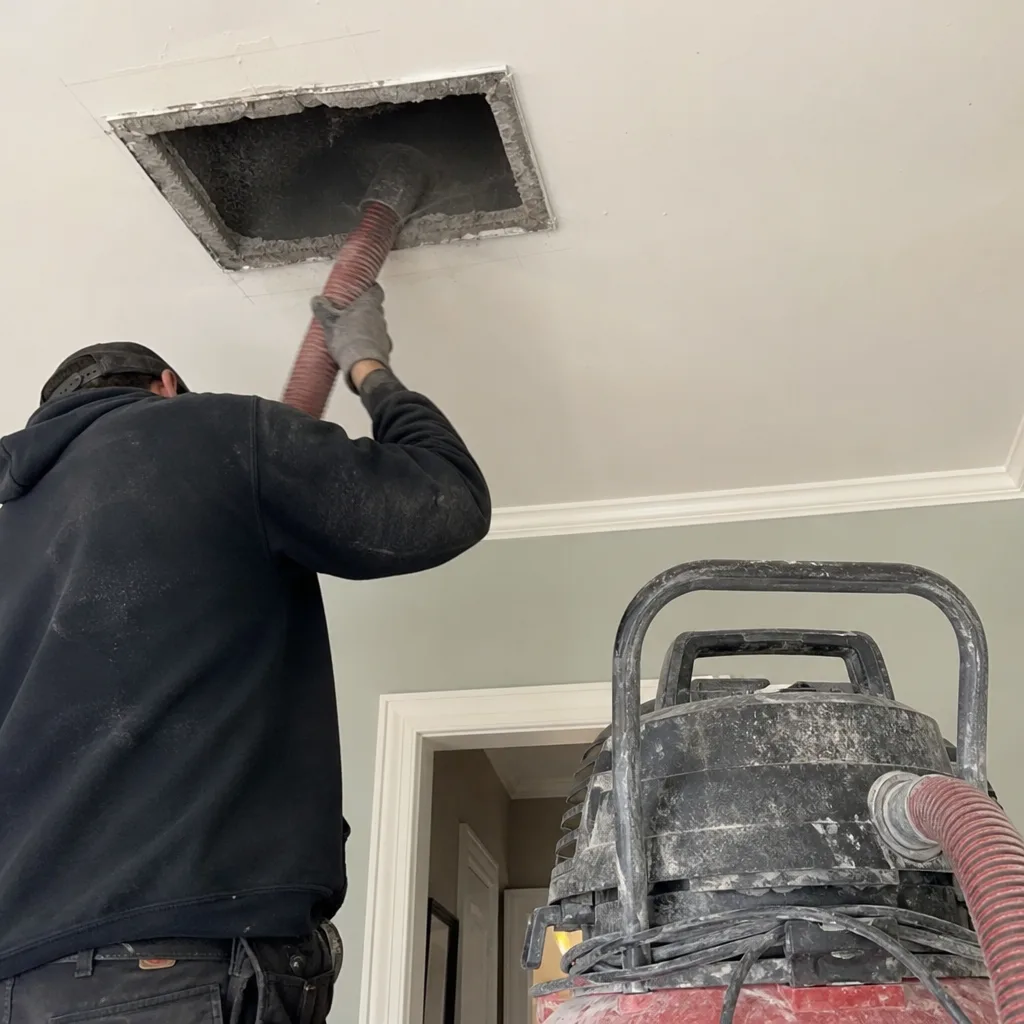 Before
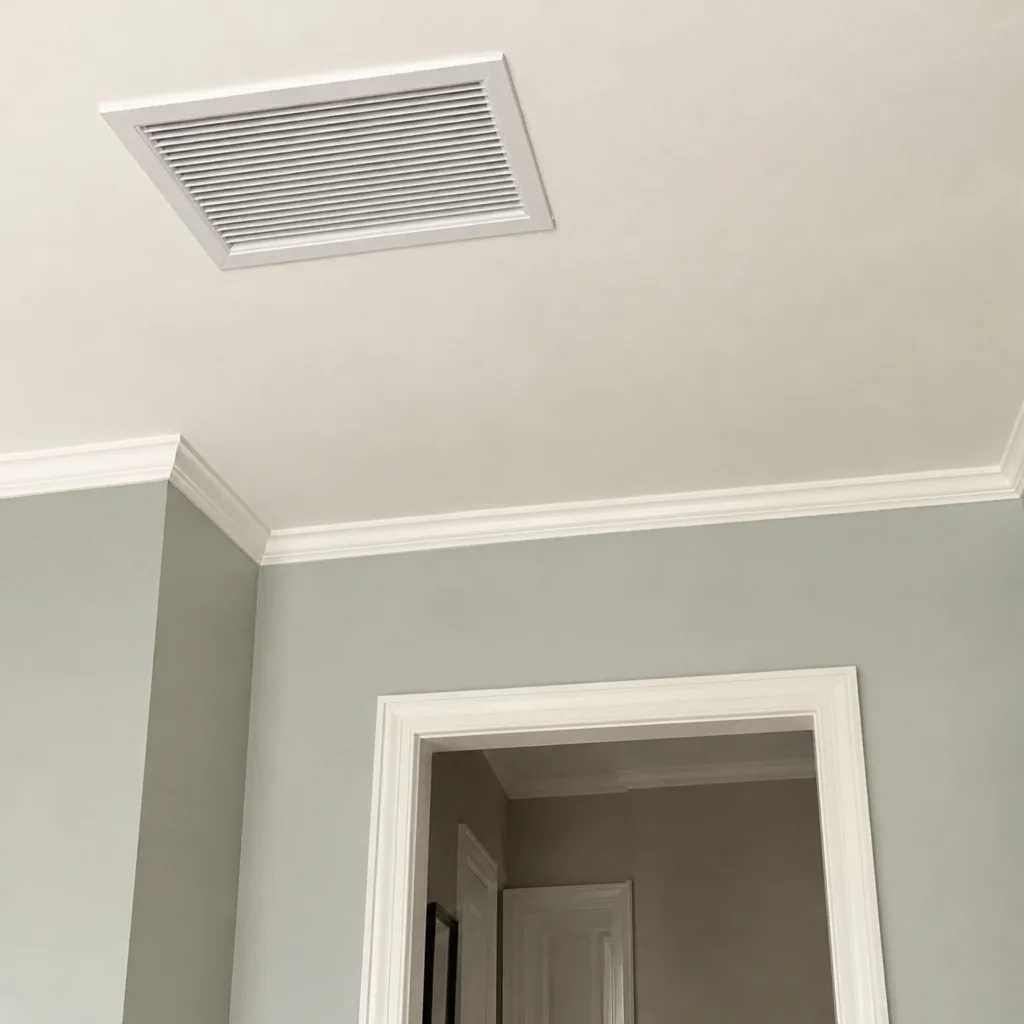 After
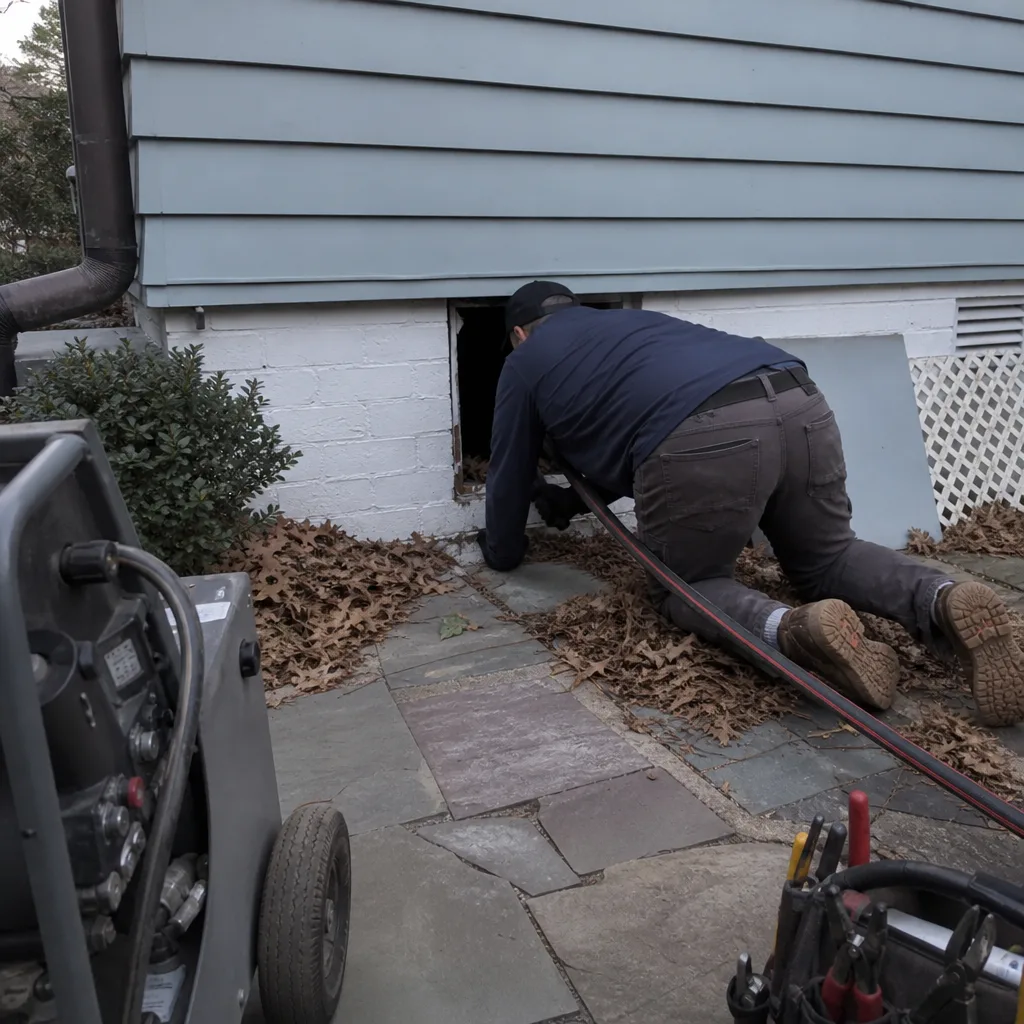 Before
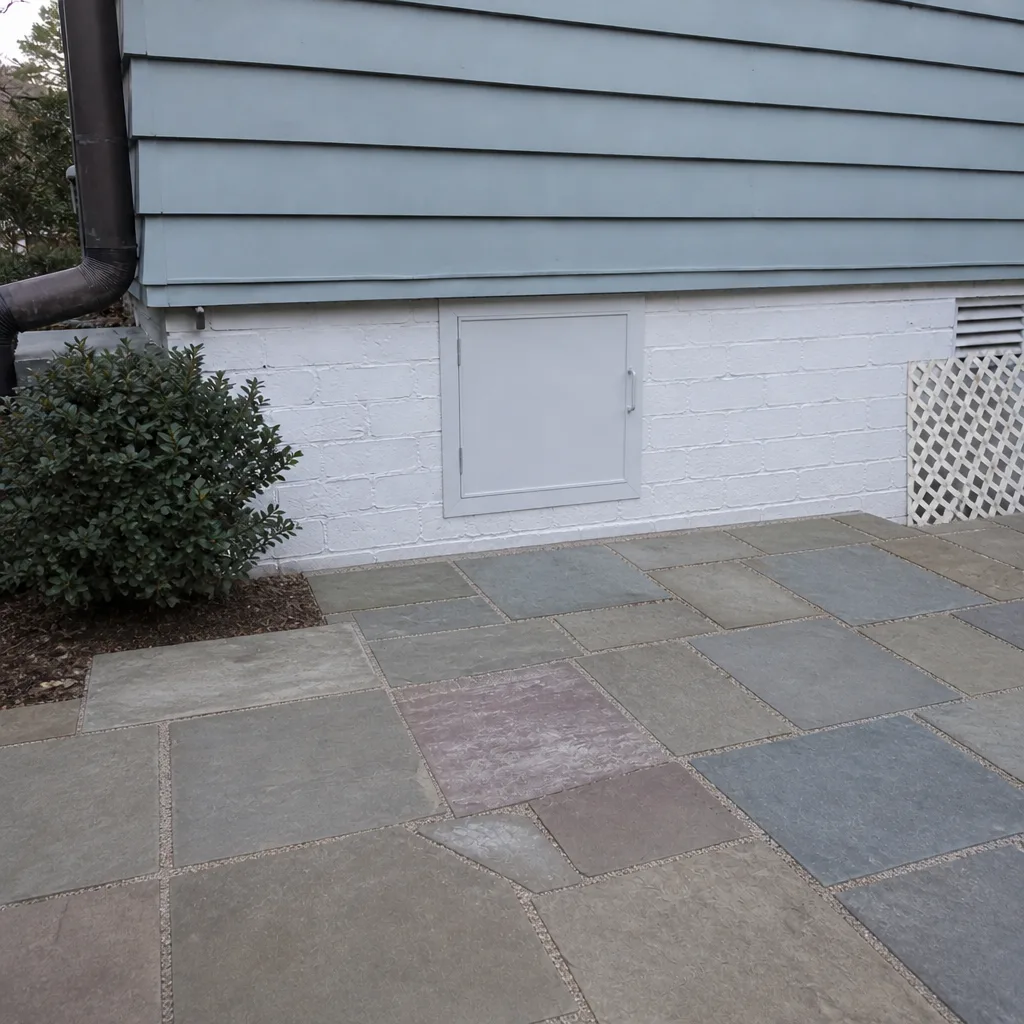 After
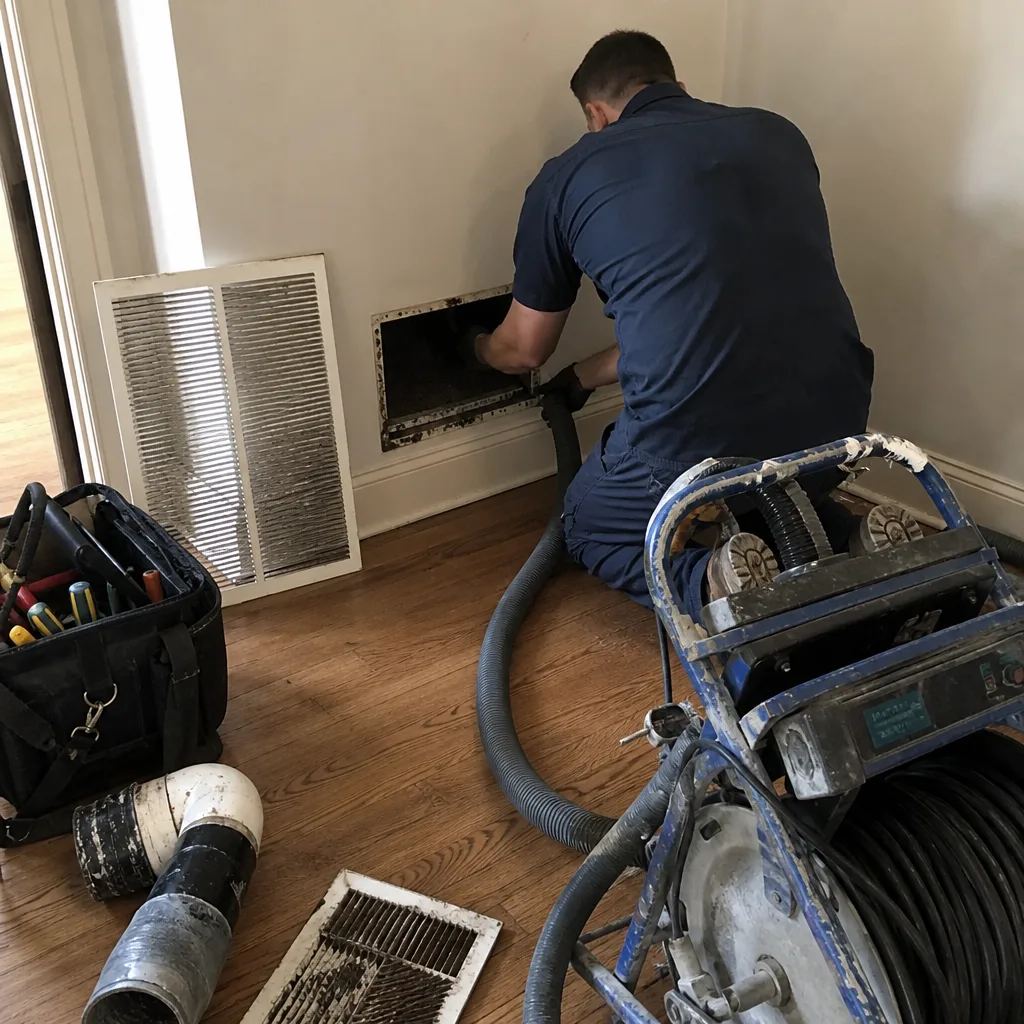 Before
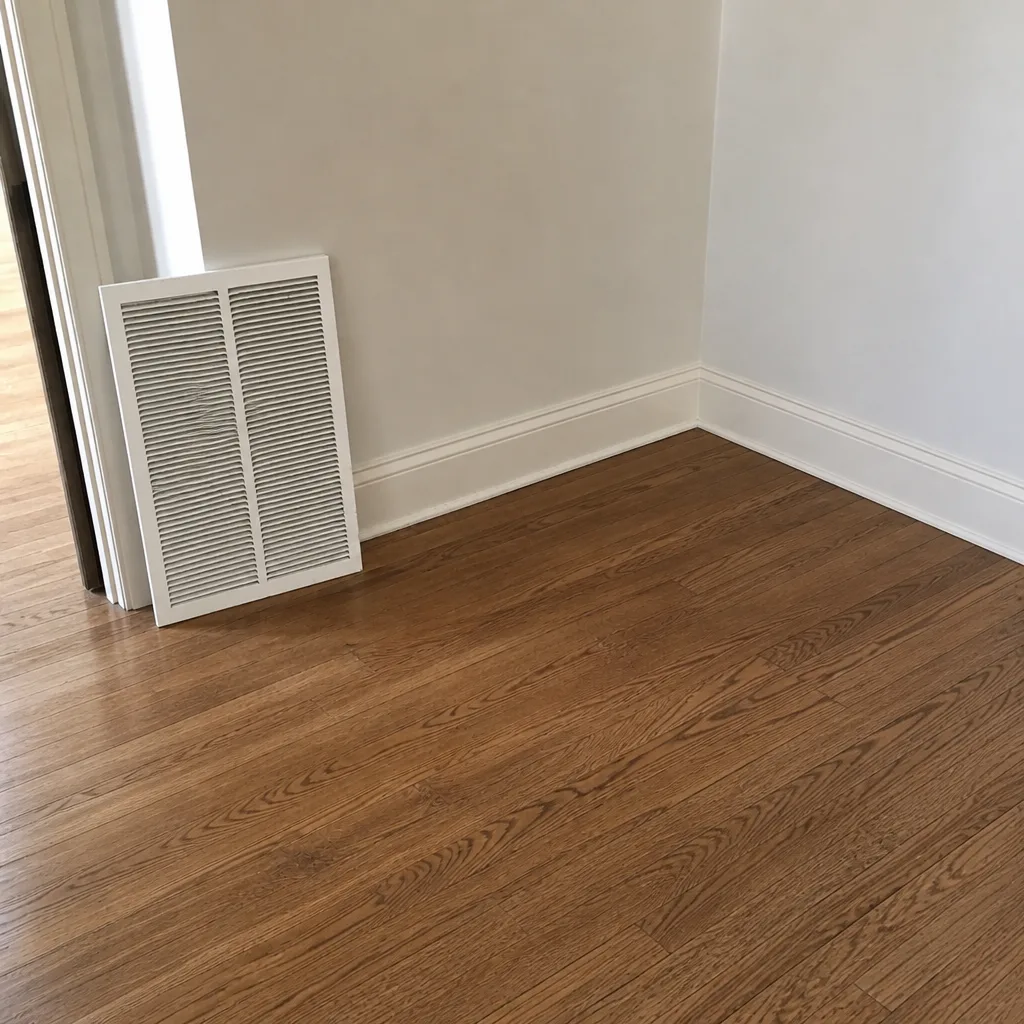 After
When to Call a Professional
Call a professional when the debris problem has clearly moved past the homeowner stage: visible dust at the registers right after cleaning, dust re-circulation within a few days, a recent renovation with drywall dust in the supply, a home purchase of a property with unknown duct history, an HVAC system that hasn’t been serviced in years, or allergy or asthma concerns in the household. Elevated contamination – pest debris, visible mold-like growth inside the duct liner – is a different category of job entirely and needs a remediation-level scope, not routine cleaning. If the ducts have ever been damaged, crushed, or disconnected at a joint, that’s duct repair and sealing territory, not cleaning. When in doubt, get a proper assessment.
Air Duct Cleaning Myers Park offers free estimates in Myers Park – call (877) 792-5816. We answer 24/7. Fast dispatch from 7am to 7pm, Sunday through Friday. One flat price per system, agreed before work starts, with before-and-after photos of your own ducts as part of the job.
Frequently Asked Questions
Prices vary with the system – square footage, number of returns, duct layout, and whether it’s a routine maintenance clean or a heavier contamination job. A whole-house quote below $150 with proper equipment and labor is not realistic, and it’s usually the entry point to an on-site upsell. The written estimate is the final price; ask for it in writing before work starts. Call (877) 792-5816 for an exact quote – estimates are free.
Cheap quotes usually mean one of three things: the equipment isn’t purpose-built for duct cleaning, the crew plans to skip the return-side work, or the price is a teaser designed to grow on-site. A wet-dry vac and a rotary brush attachment is not the same job as a negative-pressure system with a proper agitation tool, even though both can be called “duct cleaning.” Ask what machine and what CFM before you compare numbers.
Ask for before-and-after photos of your own ducts – the supply trunk, the returns, and the registers – before the crew leaves the property. If the operator has a borescope or inspection camera, ask for a look inside the main trunk after extraction. The photographic record is the difference between “we think it was done” and “we can see it was done.”
There’s no fixed schedule that fits every home. Factors that push toward sooner cleaning: recent renovation, pets, allergy or asthma concerns, an HVAC system that hasn’t been serviced in years, or older ductwork that’s been through multiple equipment replacements. A home in Myers Park with a well-maintained HVAC system may go longer than a home with heavy dust loading. The equipment questions above tell you more about the right interval than any blanket recommendation.
NADCA membership indicates a firm has engaged with industry standards and, if certified, passed a written exam on duct cleaning practice. It does not verify CFM ratings, specific brush types, or technician training on the day of your job. Treat it as a floor, not a ceiling – useful to have, but not a substitute for asking the equipment questions yourself.
Yes – every register not actively being cleaned should be sealed off, and the whole system should be under negative pressure during extraction. That’s the standard process for keeping dislodged debris from migrating into your living space. If the operator can’t describe how they manage negative pressure, the cleaning is being done in reverse.
A purpose-built duct cleaning system from a brand like Rotobrush or Nikro, an agitation tool matched to the duct type (rotary brush, whipsnake, or air sweep), negative-pressure extraction equipment, and some form of inspection documentation – a camera or the operator’s own photos. Sanitizing, when it’s in scope, should be a defined protocol, not a quick mist. Brands to expect from a serious operator include Honeywell and Aprilaire for any filtration work as part of the air-quality scope.
Yes. Call (877) 792-5816 and get a free estimate in writing. We answer 24/7, and fast dispatch is from 7am to 7pm, Sunday through Friday. The price is set per system, agreed before work starts, and the written estimate is the final number – no on-site quote changes.
Common Questions We Get From Homeowners Comparing Duct Cleaning Quotes
The vetting conversation raises a handful of practical questions that come up repeatedly – and they’re worth answering directly, because they’re the same ones that separate a clean quote from a bait quote.
Will the operator use a wet-dry vac or a purpose-built system? Purpose-built, on a proper job. A wet-dry vac has its place in HVAC work, but it is not a duct cleaning system. It doesn’t produce the CFM or the filtration needed to agitate the duct wall and extract what’s been released. If the operator can’t name a real duct-cleaning brand, that’s your answer.
What if the operator says NADCA isn’t needed in North Carolina? They’re right about the law – no state license is required – and wrong to use it as a shield. NADCA membership isn’t required either, but a serious operator still engages with the standards. If the operator dismisses the question entirely rather than answering it, that’s a data point.
What about dryer vent cleaning? It’s a separate job with different equipment, and it’s often skipped because it isn’t glamorous. Attic and roof exhaust paths are fire risk areas, and a dedicated dryer vent service is not the same as a duct cleaning add-on. If your dryer is taking longer to finish a load, that’s the call to make.
Should I get duct repair and sealing at the same time? If the assessment finds disconnected joints, crushed flex, or duct runs that leak significantly, yes – cleaning and sealing are a natural pair, and skipping the sealing means the cleaning you just paid for has gaps to work around. A full-system operator will quote the cleaning, the sealing, and any filtration work together so the air-pathway scope is complete in one decision.
The Bottom Line
The industry-wide credential gap in North Carolina means the hiring decision is yours to make with the right questions. Ask for the equipment make, model, and CFM. Confirm negative-pressure setup. Demand a flat whole-system price in writing, not per-vent or sweetened with a coupon. Ask for before-and-after photos of your own ducts. Ask for local references in homes of similar age and duct type. Use NADCA as a floor, and treat the operator’s ability to describe a defined sequence – assess, protect, pressurize, agitate, extract, verify, document – as the real signal. A specialist in Myers Park expects to answer all of it before the equipment comes off the truck.
If you’d like to walk through those questions with us, we’re glad to. Call (877) 792-5816 for a free estimate. We answer 24/7, fast dispatch is from 7am to 7pm, Sunday through Friday. One flat price per system agreed before work starts, before-and-after photos of your own ducts on every job, and a full-service lineup from air duct cleaning in Myers Park through sanitizing, filtration, and repair and sealing – the whole air-pathway handled by one company with professional-grade equipment from Rotobrush and Nikro.
You can also read more about our air duct cleaning process, our dryer vent cleaning service, and our hvac cleaning work if you want a closer look at what the different scopes involve. Whatever you decide, run the questions above before you book. The best operators in Myers Park will thank you for asking.
Written by the team at Air Duct Cleaning Myers Park.