
Last updated November 25, 2026
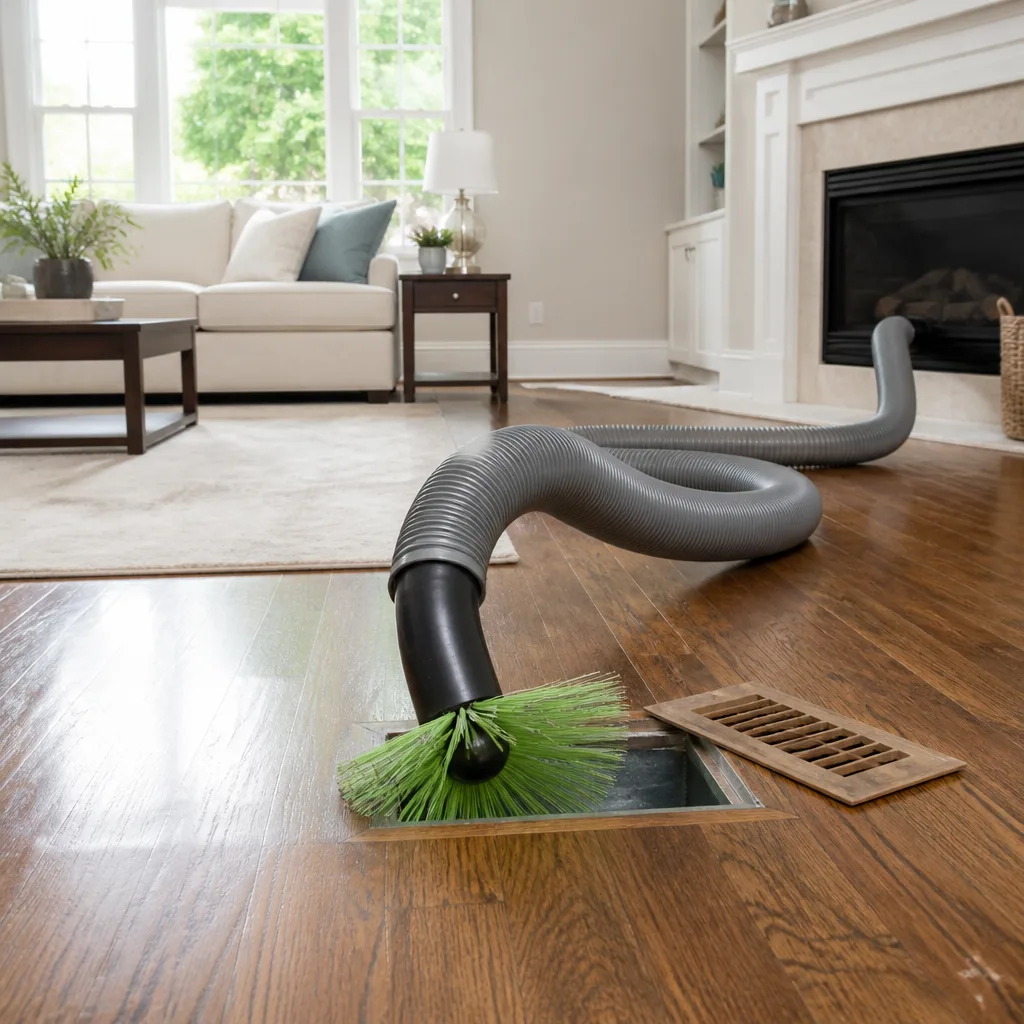 Whole-home duct cleaning
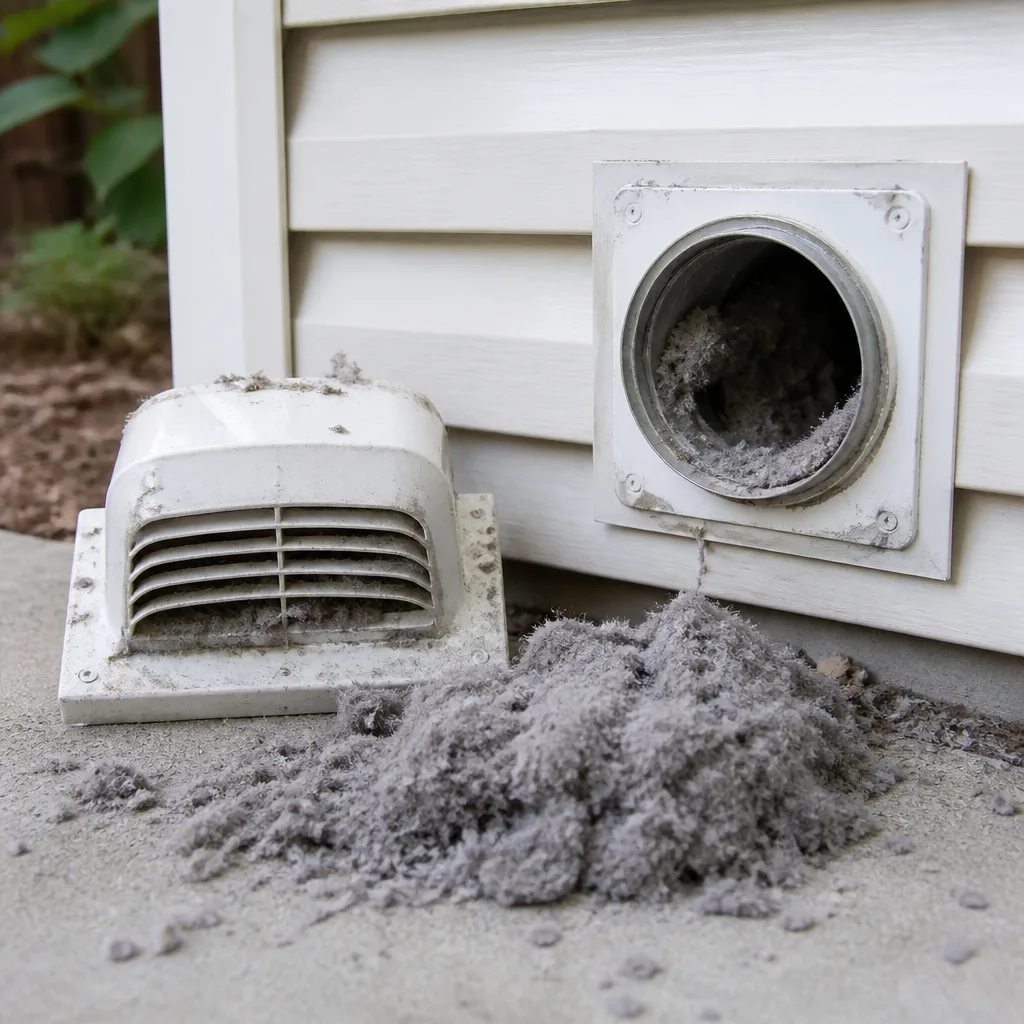 Dryer vent cleaning
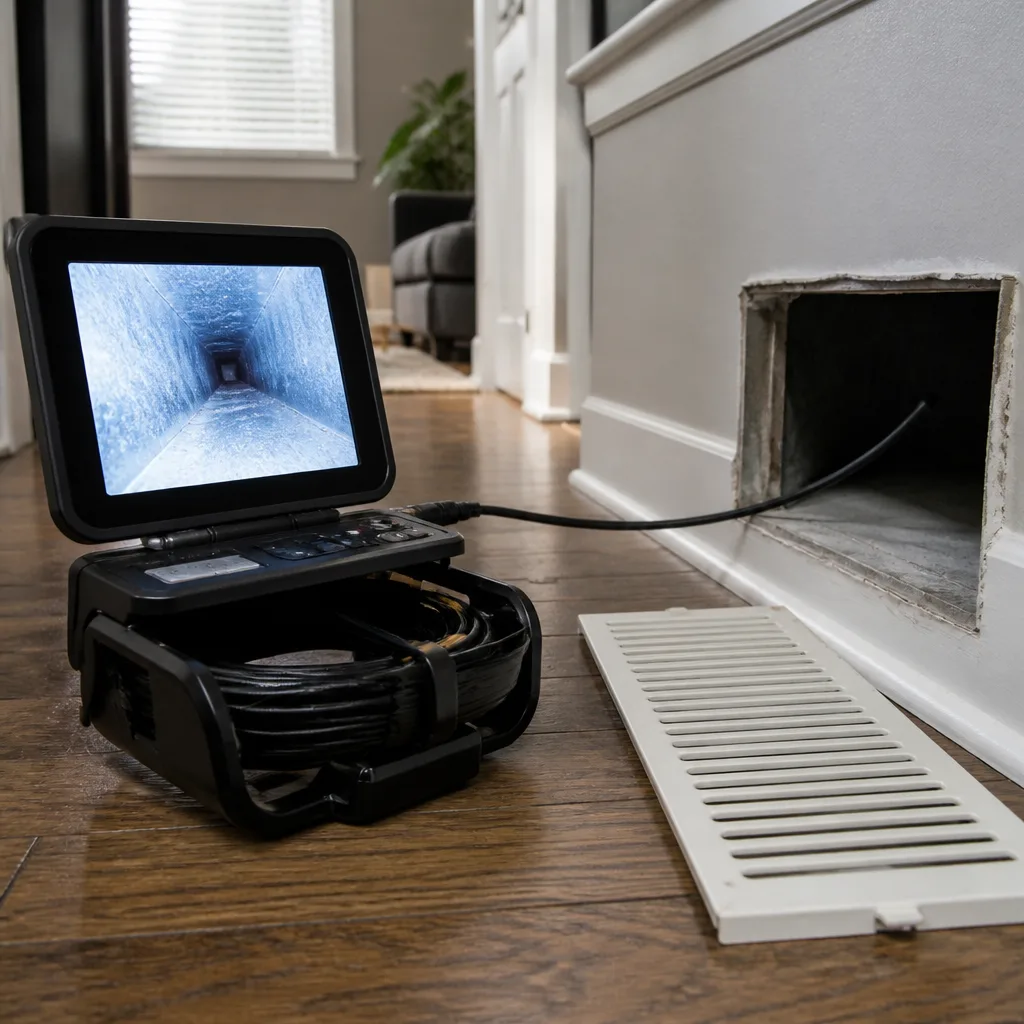 Camera inspection
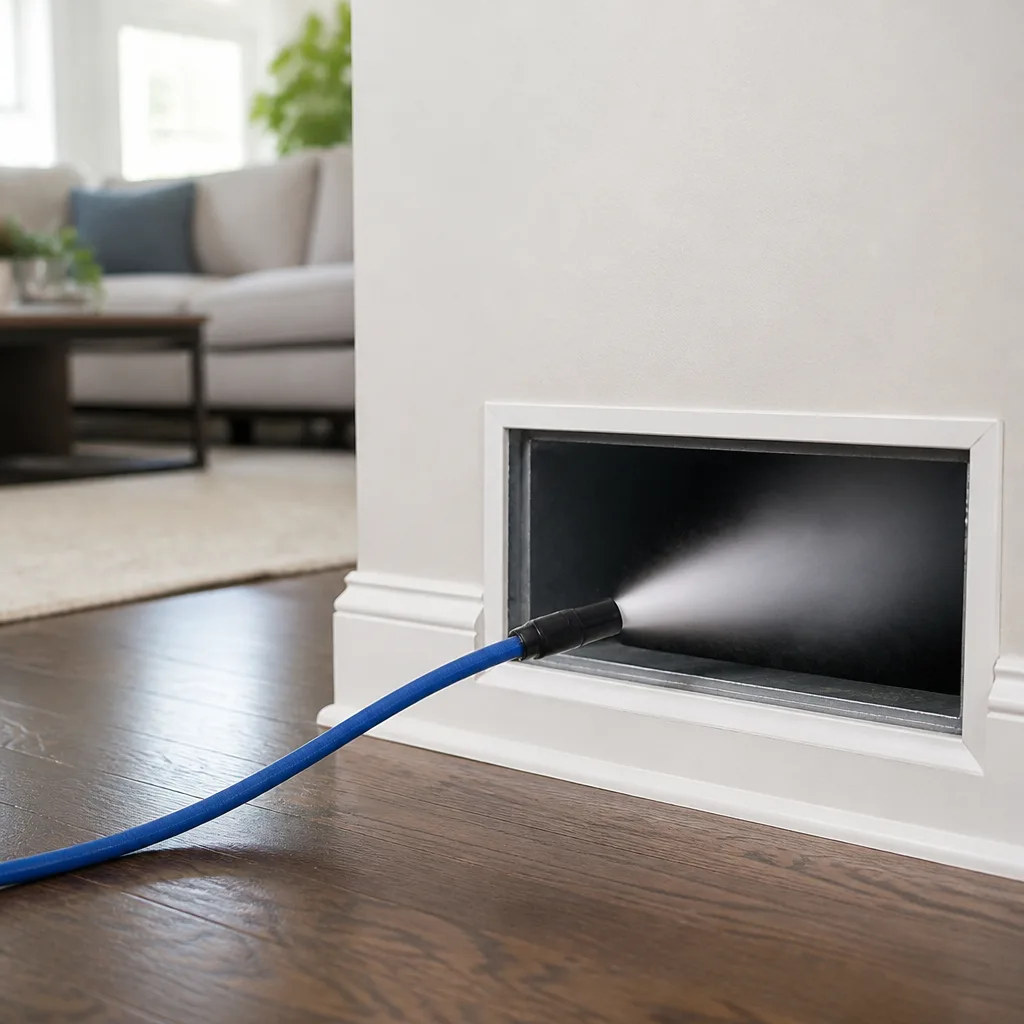 Sanitizing & deodorizing
Whole-system duct and dryer vent check with before-and-after photos - you see exactly what came out of your vents
That "$99 whole-house special" is a bait ad - the real number appears once they are in your hallway, or the "clean" is a shop-vac at the register. We photograph the inside of your ducts before and after instead.
Air Duct Cleaning Emergency Preparedness Guide for Myers Park Homes
Most homeowners treat duct cleaning as a maintenance decision, something to get around to when the filters look bad or the dust on the furniture gets embarrassing. That framing falls apart the moment a fire, a burst pipe, or a failed HVAC component forces the issue. After a kitchen fire, smoke particulates and combustion byproducts work into the supply and return ductwork within minutes, and if the HVAC system runs before anyone cleans it, those particles get pushed into every room of the house. This guide covers what to do in that window, what insurers want to see, and how to choose a contractor when you’re making decisions under pressure. It’s written from our vantage point working Myers Park homes, where plaster walls, older returns, and humid summers shape how smoke and moisture behave inside a system.
Quick Answer
After a fire, flood, or HVAC failure in a Myers Park home, the HVAC system should be shut off and locked out before any cleaning crew starts, because running the blower redistributes smoke residue or moisture through the whole duct path. Post-flood, ductwork needs intervention within 24 to 48 hours before mold colonization becomes likely. Document everything photographically before remediation begins, and hire a contractor who can show you negative-pressure extraction equipment and a written scope, not just a standard cleaning rebranded as remediation.
Styles & brands we work with
- Whole-home duct cleaning
- Dryer vent cleaning
- Camera inspection
- Sanitizing & deodorizing
Table of Contents
- What Should You Do Immediately After a House Fire?
- How Fast Does Ductwork Turn After a Flood?
- What Should You Photograph for an Insurance Claim?
- How Do You Tell Real Remediation From a Standard Cleaning?
- How Do You Prepare Before Anything Happens?
- What Happens After a Major HVAC Failure?
- What Does Myers Park’s Climate Do to Emergency Timing?
- Common Mistakes to Avoid
What Should You Do Immediately After a House Fire?
Lock out the HVAC system first. That means cutting power at the thermostat and, ideally, throwing the breaker that feeds the air handler. Fire departments often handle this on scene, but confirm it. We’ve seen systems restart when a thermostat was bumped or a smart thermostat ran a scheduled cycle after the power came back, and every cycle blows more smoke residue out of the ducts into freshly cleaned rooms.
Smoke residue behaves differently than ordinary household dust. It’s acidic, oily, and it clings. Protein smoke from a kitchen fire leaves a nearly invisible film that smells worse after a few days than it did on the day of the fire, because heat and humidity reactivate it. In Myers Park homes with older plaster and original millwork, that odor settles into porous surfaces and finds its way back into the air stream through the returns.
What a proper post-fire sequence looks like:
- HVAC locked out and power confirmed off to the air handler and outdoor unit.
- Boards-up protection at supply and return registers before any cleaning equipment enters the home.
- Source removal with negative-pressure extraction so dislodged residue is captured, not just agitated.
- Contact-time sanitizing to address odor-causing residue on duct surfaces.
- Filtration components inspected and replaced as needed.
- HVAC system cleaned end to end, including the blower, coil area, and drain pan.
- Final documentation photos before the system is returned to service.
Insurers typically want the system treated as part of the loss, not as routine maintenance. If your adjuster hasn’t included ductwork in the scope of work, that’s a conversation worth having before the mitigation crew leaves. Once the job is signed off, getting it reopened is much harder.
How Fast Does Ductwork Turn After a Flood?
The action window is 24 to 48 hours. Inside that window, wet ductwork that’s been properly extracted and dried can often be saved. After it, mold colonization becomes likely in the porous lining of flex duct, in fiberglass duct board, and on the interior surfaces of galvanized metal trunk lines where water pooled in the low points. North Carolina’s summer humidity raises the relative humidity inside a home quickly, so duct interiors that got wet in a July water intrusion are working against the clock from the moment the water stops rising.
Not all flooded ductwork is savable. Flex duct that has absorbed water should come out. Duct board that’s been soaked through is generally not recoverable. Metal ducting that’s been wet briefly and dried fast sometimes is, but it needs to be inspected inside the run, not just at the grille. We bring Abatement Technologies equipment when contamination is elevated, because routine cleaning gear isn’t built for a job where biological growth is the concern.
What to expect after a water intrusion event:
- Hours 0 to 12: Stop the water source. Cut HVAC power. Begin drying the home with dehumidifiers and air movers. Do not run the air handler.
- Hours 12 to 24: A contractor inspects the ductwork for standing water, sagging flex runs, and wet insulation. Moisture readings get documented.
- Hours 24 to 48: Extraction, removal of unsalvageable sections, cleaning of the salvageable run, and sanitizing. Drying equipment stays running until readings are back to normal.
- After 48 hours: If the ducts weren’t addressed, the conversation shifts from cleaning to remediation and possible duct replacement. Cost goes up substantially.
Flood water and fire are the two emergencies where ductwork goes from “maintenance item” to “part of the loss.” For the everyday version of duct upkeep, our air duct cleaning page covers the routine case. The emergency case runs on a different clock.
What Should You Photograph for an Insurance Claim?
Photograph everything before remediation work begins, and keep photographing through the process. Insurers are far more likely to approve a post-emergency duct claim when the file shows visible contamination, the source event, and the work being done in sequence. The claim isn’t just about cost. It’s about whether the adjuster can see that ductwork was affected and whether the remediation was reasonable.
A documentation set that holds up:
- Wide shots of every room showing the source event and overall condition.
- Close-ups of registers and grilles with visible residue, debris, or staining.
- The air handler area, blower wheel, coil face, and drain pan.
- Access panels opened to show duct interiors where a camera can reach.
- Moisture meter readings at the duct surface after any water intrusion.
- The equipment used during remediation, clearly showing the brand and model.
- Before-and-after photos of the same duct sections from the same angle.
- Every invoice, scope of work, and sanitizer product label.
Timestamps matter. Photograph on a phone with location and time metadata turned on, and back the photos up before the contractor drives off. If the contractor takes their own photos, ask for a copy the same day. Adjusters work faster when the file is complete on day one, and slow reimbursement is the most common complaint we hear from Myers Park homeowners going through a claim.
How Do You Tell Real Remediation From a Standard Cleaning?
Ask what equipment they’re bringing before you ask the price. A standard cleaning uses a truck-mount or portable vacuum and a rotary brush, which is the right tool for routine maintenance. Post-emergency remediation requires contamination-aware cleaning, meaning negative-pressure containment, HEPA filtration at the exhaust, and a sanitizing step with a defined contact time. If a contractor answers “same thing, we just call it remediation,” you’re being sold a service name, not a service.
Questions worth asking on the phone:
- What extraction equipment are you bringing? Rotobrush and Nikro are the two professional-grade systems we run, and a contractor who does this work seriously can name theirs without hesitation.
- Are you running negative pressure so dust is captured, not just agitated into the room?
- What sanitizer do you use, and what’s the documented contact time on the surface? A defined protocol, like the Guardsman-based process we run, means the sanitizing step is repeatable and documented, not sprayed and hoped for.
- Will you photograph the duct interiors before and after, and share those photos with me?
- Who does the HVAC cleaning portion? The blower, the coil, and the drain pan are part of the air path. A duct-only cleaning after a fire leaves the source in place.
- Can you provide a written scope with line-item detail for the insurance file?
If the contractor treats duct repair and sealing as a separate visit, that tells you something too. After a fire or flood, duct joints that failed under pressure or moisture need to be pressure-tested and sealed during the same scope, or the remediation leaks back into the building envelope. We handle duct repair and sealing as part of the same call for exactly that reason.
How Do You Prepare Before Anything Happens?
Spend an hour on this before you need it, and the emergency is measurably easier. The goal is a duct system file you can hand to an adjuster, a contractor, or both on a day when you don’t want to be hunting for information.
Build the file:
- Photograph the air handler, the furnace or heat pump label, the coil, and the filter door. Get the model and serial numbers clearly.
- Sketch the duct layout from the rooms it serves: which registers are supply, which are return, and where the trunk line runs.
- Photograph any accessible duct sections through access panels, including the interior where the light reaches.
- Note the filter size and the current filter type in the same file.
- Record the electrical panel location and the breaker that feeds the HVAC system.
- Keep contractor contact information in the file, including ours.
- Store it in the cloud with a shared link for anyone in the household.
Myers Park homes add a wrinkle here: a lot of them have been renovated or added onto over the decades, and the duct layout doesn’t always match the floor plan on the listing sheet. A renovation in the 1990s or a sunroom addition can leave a return run that a contractor has to trace by ear and by airflow reading. Your sketch saves measurable time on the day someone shows up to assess damage. Our HVAC cleaning page goes deeper on what a full system assessment covers.
What Happens After a Major HVAC Failure?
Not every emergency starts with fire or water. A failed blower motor, a cracked heat exchanger, or a compressor burnout can leave contamination in the system that wasn’t there before. A compressor burnout is the worst of these, because refrigerant oil and acid byproducts travel through the lines and sometimes into the air side. Heat exchanger failure, when it’s confirmed, means combustion byproducts have been entering the airstream, and that’s a safety issue that gets addressed before anything else.
What the sequence looks like:
- System off, and if there’s any suspicion of a heat exchanger issue or refrigerant leak, a qualified HVAC technician confirms the failure before cleaning begins.
- The blower wheel and coil are inspected. A blower wheel caked with debris is a source in itself, and cleaning the ducts without cleaning the blower means the debris comes right back.
- The ductwork is cleaned with the extraction equipment, and the filter cabinet is inspected.
- Filtration is upgraded where appropriate. Honeywell and Aprilaire filters and air-quality components fit many Myers Park systems and give you a defined filtration spec to maintain going forward.
- Duct joints are checked and sealed where the repair is needed to restore pressure.
If a system has been running with a failed blower, or if it’s been off for a long stretch, check before you restart. Running a system that’s been sitting for a season pushes accumulated debris and sometimes microbial growth through the whole house. A walkthrough with a camera, or a call to schedule one, is the safest move. Our air duct cleaning Myers Park service handles that walkthrough as part of any cleaning scope.
What Does Myers Park’s Climate Do to Emergency Timing?
Charlotte’s summer humidity compresses every post-water timeline. When a water heater lets go in a Myers Park basement in July, the air in the house is already close to saturation, and duct interiors that got wet start the mold clock earlier than they would in a drier climate. Winter is the opposite: dry interior air means smoke residue from a fire stays dry and friable longer, which sounds like good news, but it also means residue becomes airborne more easily when the system restarts.
A few local things worth knowing:
- Homes with crawl spaces and ductwork running through them dry slower after a water event than slab or basement systems, so the inspection window is tighter.
- Older Myers Park homes with plaster walls hold moisture in the building envelope after a flood, which raises interior humidity and pushes the duct drying clock faster.
- Spring pollen season loads filters fast, and a system that’s been running with a clogged filter during a fire event has less airflow to distribute residue. That’s the one small mercy.
- Fall and winter are good months to build the preparedness file, because the HVAC system isn’t running hard and access is easier.
Dryer vents are the third leg of this. Lint accumulation is a leading cause of residential fires, and a dryer vent fire is a different emergency from a kitchen fire but a no-less-serious one. We treat dryer vent cleaning as its own service for that reason, not as an add-on after the ducts. If your dryer is taking longer to dry clothes or the exterior vent flap is barely moving, that’s worth a look before the risk becomes an event.
Common Mistakes to Avoid
- Restarting the HVAC before cleaning after a fire. One cycle pushes smoke residue into every room and into the soft furnishings. Confirm the system is locked out and stay locked out until extraction is done.
- Waiting on the flood decision. Mold doesn’t wait for the adjuster to call back. If ducts got wet, start the drying and inspection within 24 hours; the insurance paperwork can catch up.
- Skipping the documentation. A claim with photos goes faster than one without. Take the photos before demolition, not after.
- Hiring on price alone after an emergency. A “standard cleaning, called remediation” quote is often the cheapest one on the list. Ask what equipment they’re bringing and whether they sanitize with a documented contact time.
- Cleaning the ducts but not the HVAC unit. The blower, coil, and drain pan are part of the air path. Leaving them dirty means the ducts recontaminate in weeks.
- Assuming a newer home is exempt. Myers Park has renovations and additions going back decades, and duct runs that don’t match the floor plan are common. Trace the layout before you assume it’s what the listing sheet says.
- Letting the contractor take the only copy of the photos. Ask for the full photo set the same day and back it up. Adjusters want to see the file you own, not the file someone sends two weeks later.
See the difference
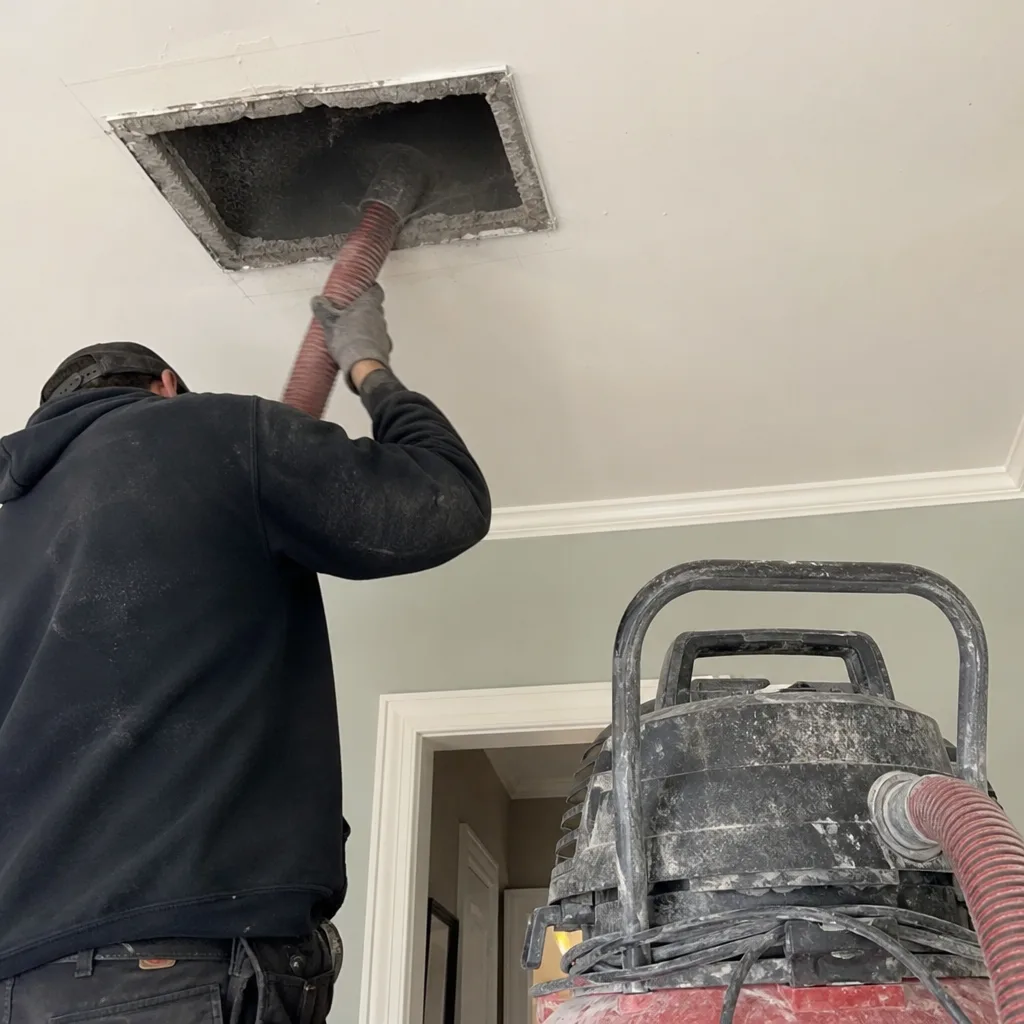 Before
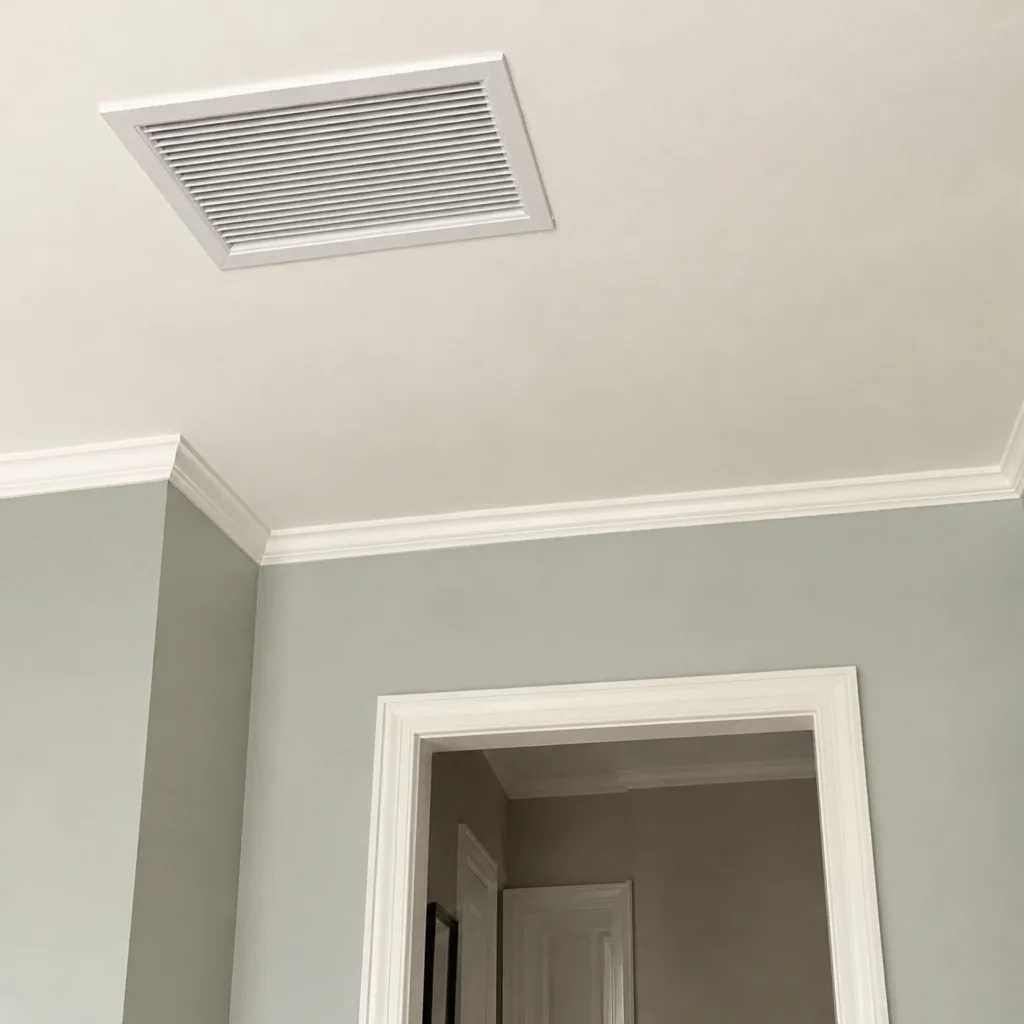 After
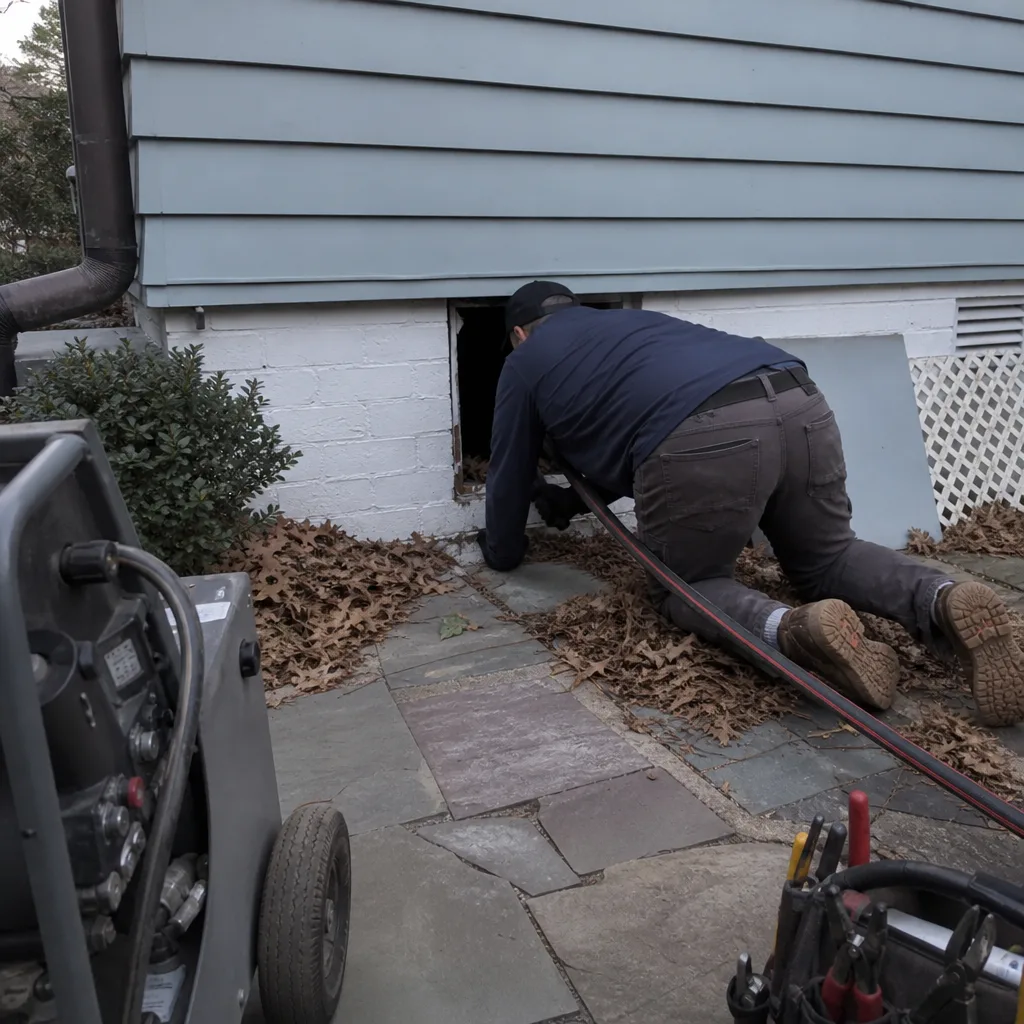 Before
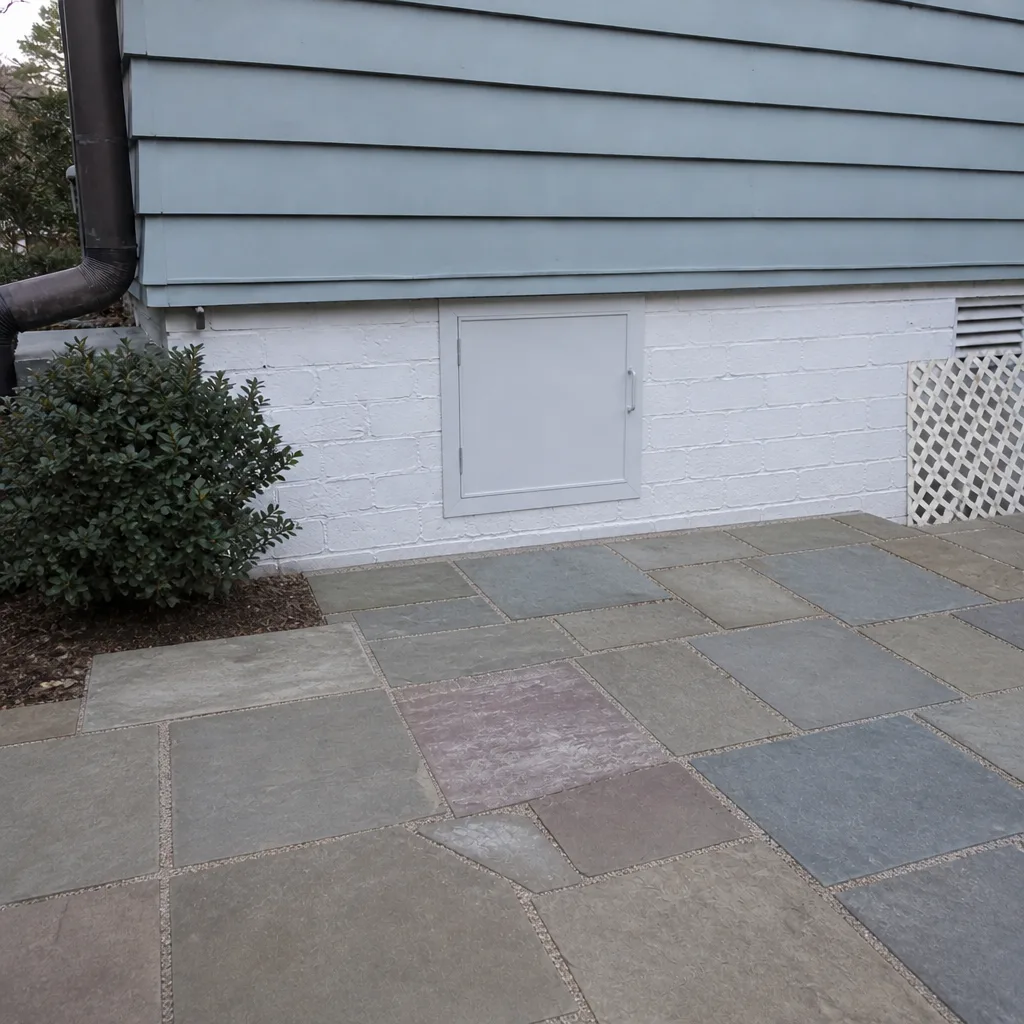 After
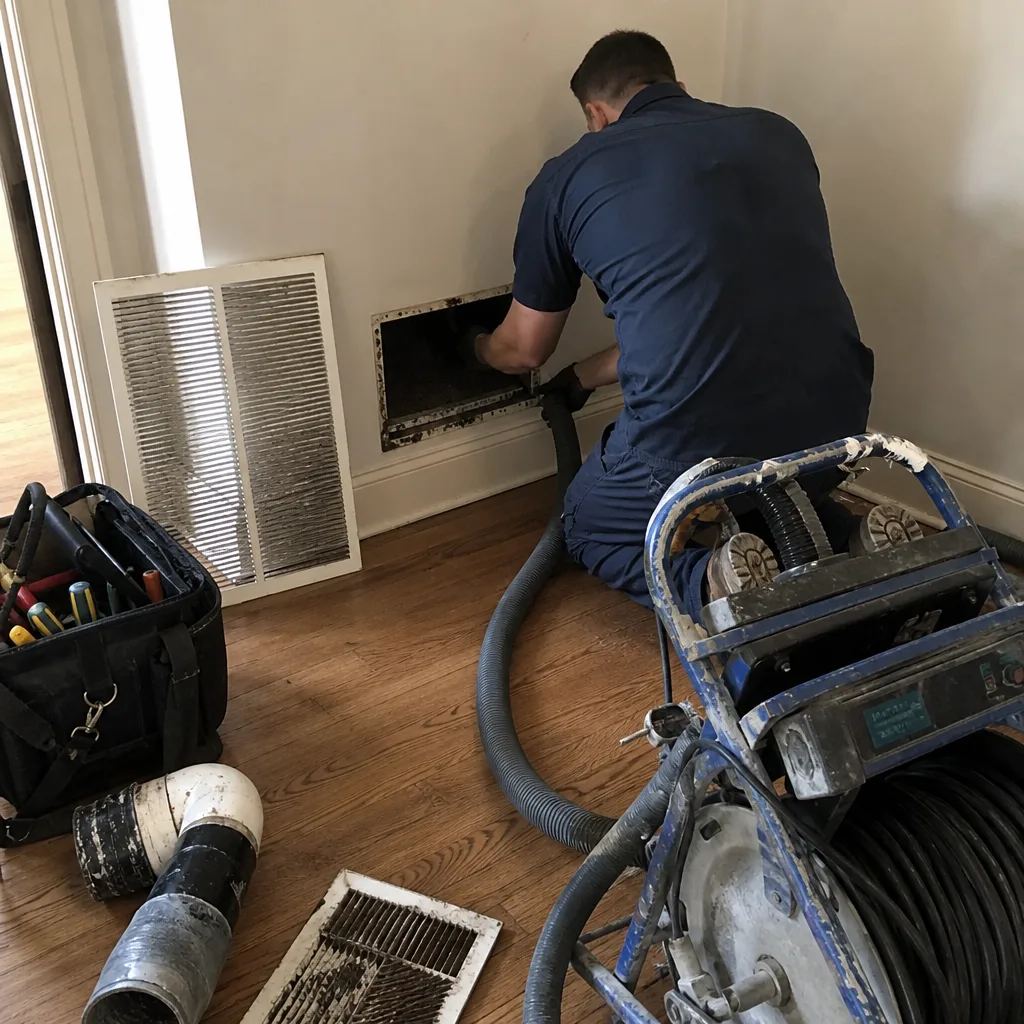 Before
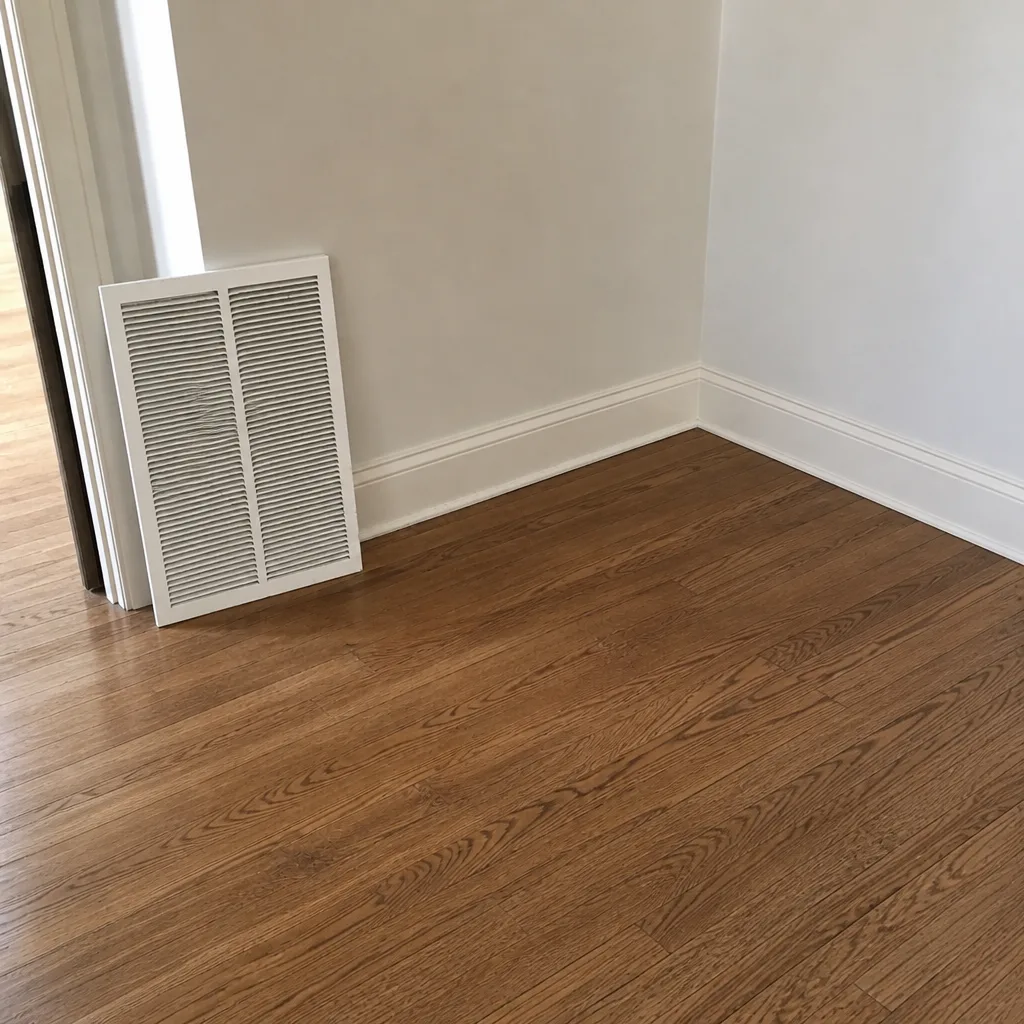 After
When to Call a Professional
Call when the event is fire, water, or a confirmed HVAC failure. Call when dryer lint is visibly accumulating or the dryer is taking noticeably longer to dry a load. Call when someone in the household has asthma or allergy symptoms that got worse after a renovation, a move, or a system failure. Call when the ducts haven’t been looked at in years and you can’t say what condition they’re in. For routine upkeep, call when the filters are loading up faster than usual or the registers are visibly soiled. Air Duct Cleaning Myers Park offers free estimates in Myers Park – call (877) 792-5816. We answer 24/7. Fast dispatch from 7am to 7pm, Sunday through Friday. Our technicians have up to 11 years of experience, and the local pro is licensed and insured as their state requires.
Frequently Asked Questions
Usually yes, when the ductwork is included in the scope of loss. Insurers handle duct cleaning as part of the post-fire mitigation when there’s evidence smoke residue entered the system, and the strongest evidence is a documented set of photos showing contamination at the registers and inside accessible duct sections. Get the ducts into the scope of work before the mitigation company closes out the file. Call (877) 792-5816 for a free estimate if you need documentation to support a claim.
Within 24 to 48 hours. Wet flex duct and duct board can begin supporting mold growth inside that window, especially in Charlotte’s summer humidity. Cut the HVAC power, start drying the home, and get a contractor in to inspect and extract. Call (877) 792-5816 for an exact quote – estimates are free.
Remediation adds containment, source removal with negative-pressure extraction, a documented sanitizing step, and HVAC component cleaning as part of the scope. A standard cleaning handles routine dust and debris and doesn’t include the sanitizing or documentation components. Ask for the written scope before you hire. Call (877) 792-5816 to talk through which one your situation needs.
No. Running the blower after a fire spreads smoke residue and combustion byproducts into every room through the supply registers, and it pushes residue into the filter and coil, where it lingers. Lock out the system at the breaker and leave it off until the ducts and the air handler have been cleaned. Call (877) 792-5816 for scheduling.
Most post-emergency residential scopes land in a mid-three-figure to four-figure range depending on contamination level, the number of systems, and whether duct repair or replacement is needed after a flood. Quotes vary widely because the work varies widely. We set one flat price per system, agreed in writing before work starts, with no per-vent pricing. Call (877) 792-5816 for an exact quote – estimates are free.
Because they’re usually a standard cleaning with a different label on the invoice. The cheap quote often omits containment, the sanitizing step, and the HVAC cleaning, and it shows up in a home still smelling of smoke a few weeks later. Ask what equipment they bring and whether they photograph the duct interiors before and after. Call (877) 792-5816 to compare scopes on an equal footing.
Ask for before-and-after photos of your own ducts, interior views included, in the same file as the written scope and the sanitizer product label. A contractor running Rotobrush or Nikro equipment can show you the machine on arrival and the photographs at the end. Call (877) 792-5816 if you want to see what one of our scopes looks like before you commit.
Routine cleaning depends on the home: pets, renovations, allergy concerns, and filter habits all move the interval. For most Myers Park homes with a maintained filter schedule, every few years is reasonable, and sooner after any renovation or system change. After a fire or flood, it’s not a schedule question at all; it’s part of the loss. Call (877) 792-5816 for a walkthrough and a written recommendation.
The Bottom Line
Emergency preparedness for ductwork comes down to three things. Lock the system out, because the HVAC is the distribution mechanism for whatever’s in the ducts. Document everything photographically before work starts, because your insurance claim runs on the file. And check the equipment, not just the quote, because “remediation” on an invoice means nothing if the machine on site is a shop vacuum. Build your duct system file this month while nothing is on fire, and the day something is, the decisions get faster and the claim goes smoother. Air Duct Cleaning Myers Park offers free estimates in Myers Park – call (877) 792-5816. We answer 24/7. Fast dispatch from 7am to 7pm, Sunday through Friday.
Written by the team at Air Duct Cleaning Myers Park.