
Last updated November 25, 2026
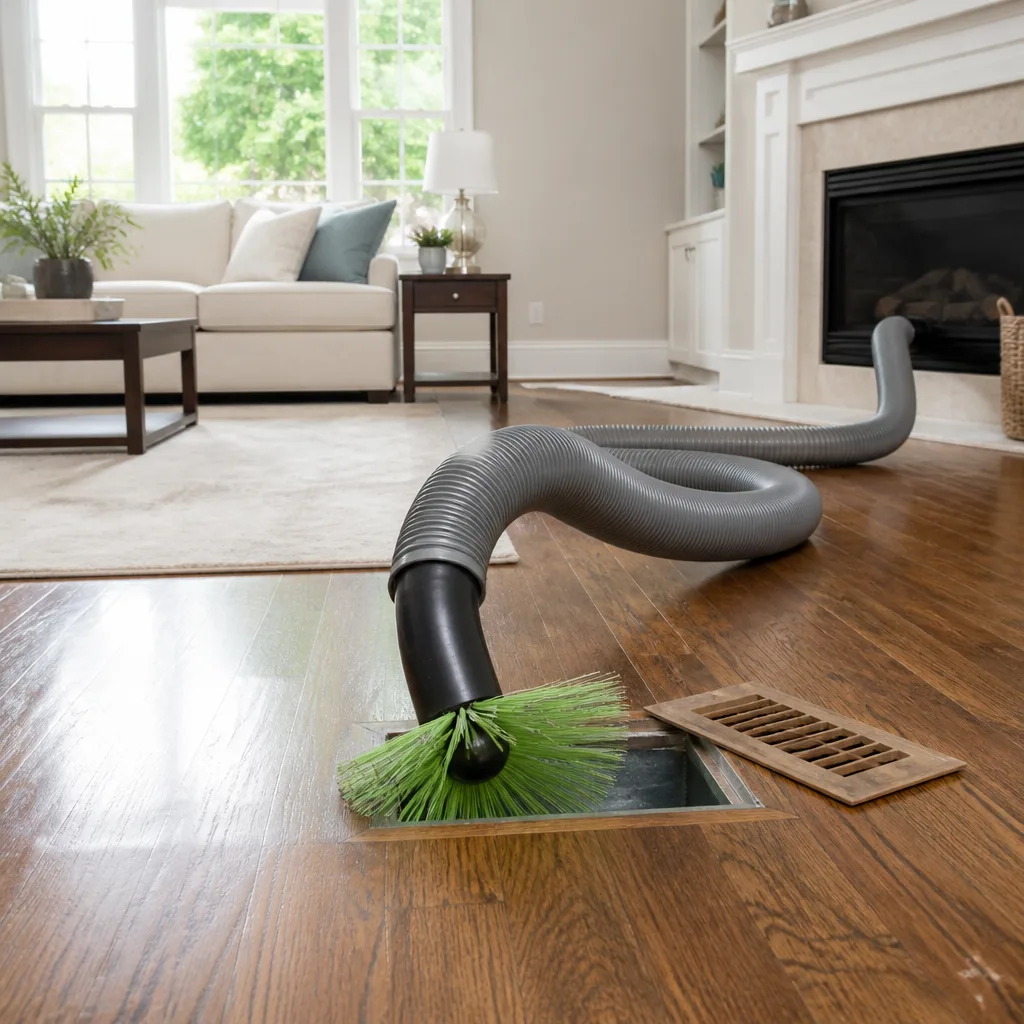 Whole-home duct cleaning
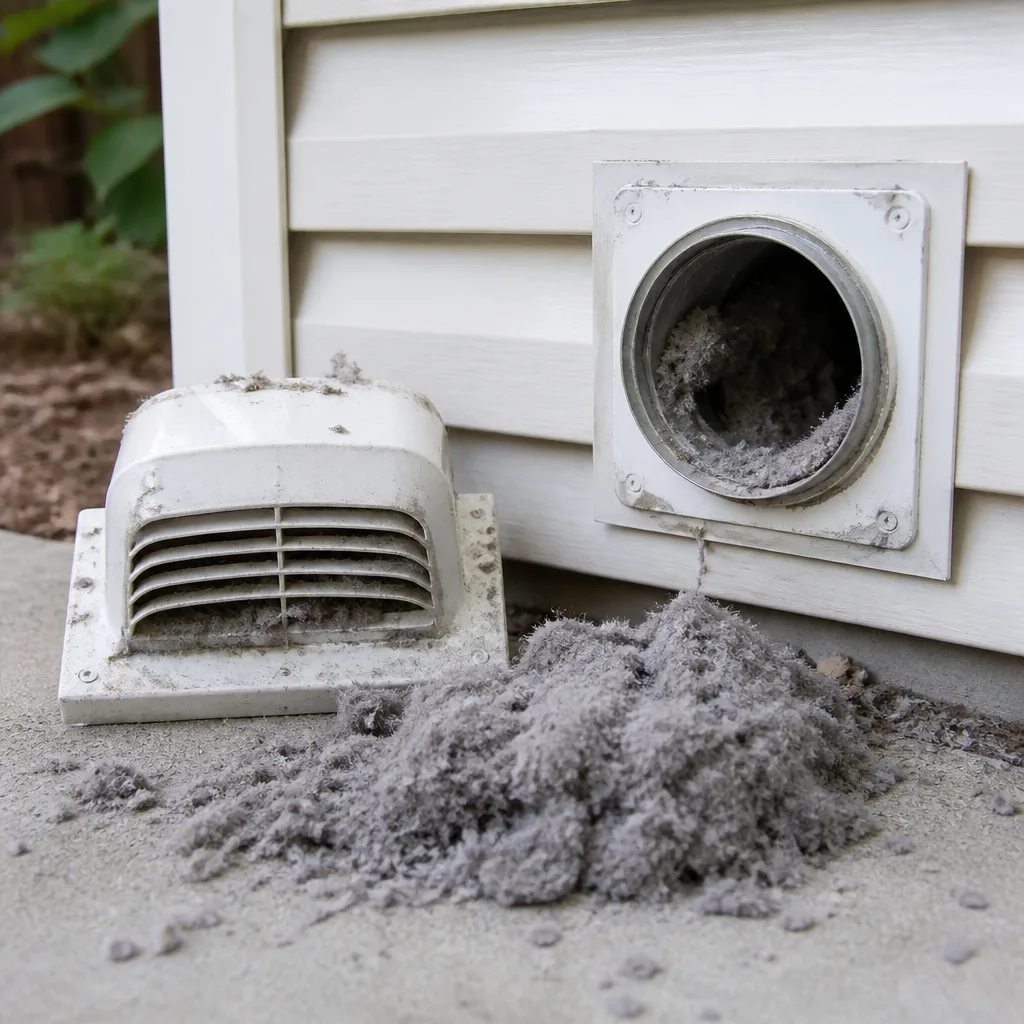 Dryer vent cleaning
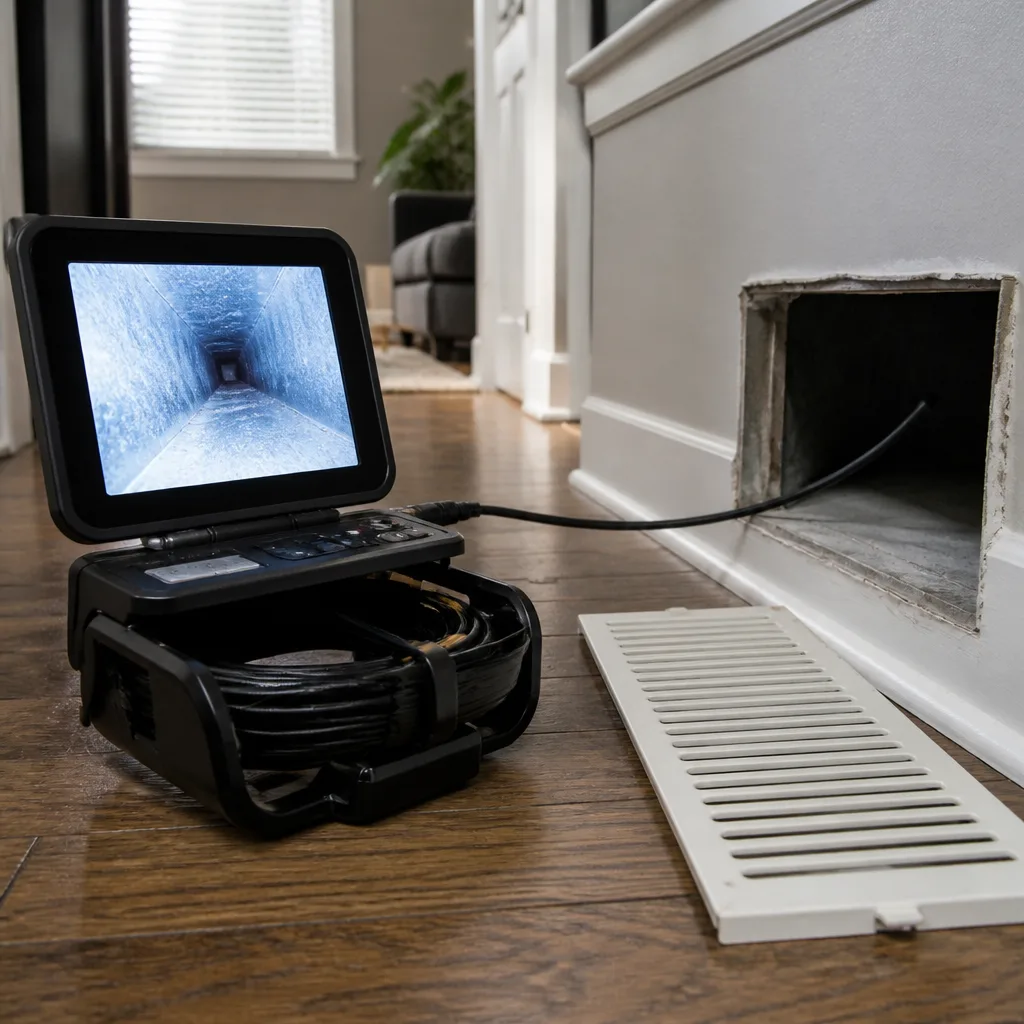 Camera inspection
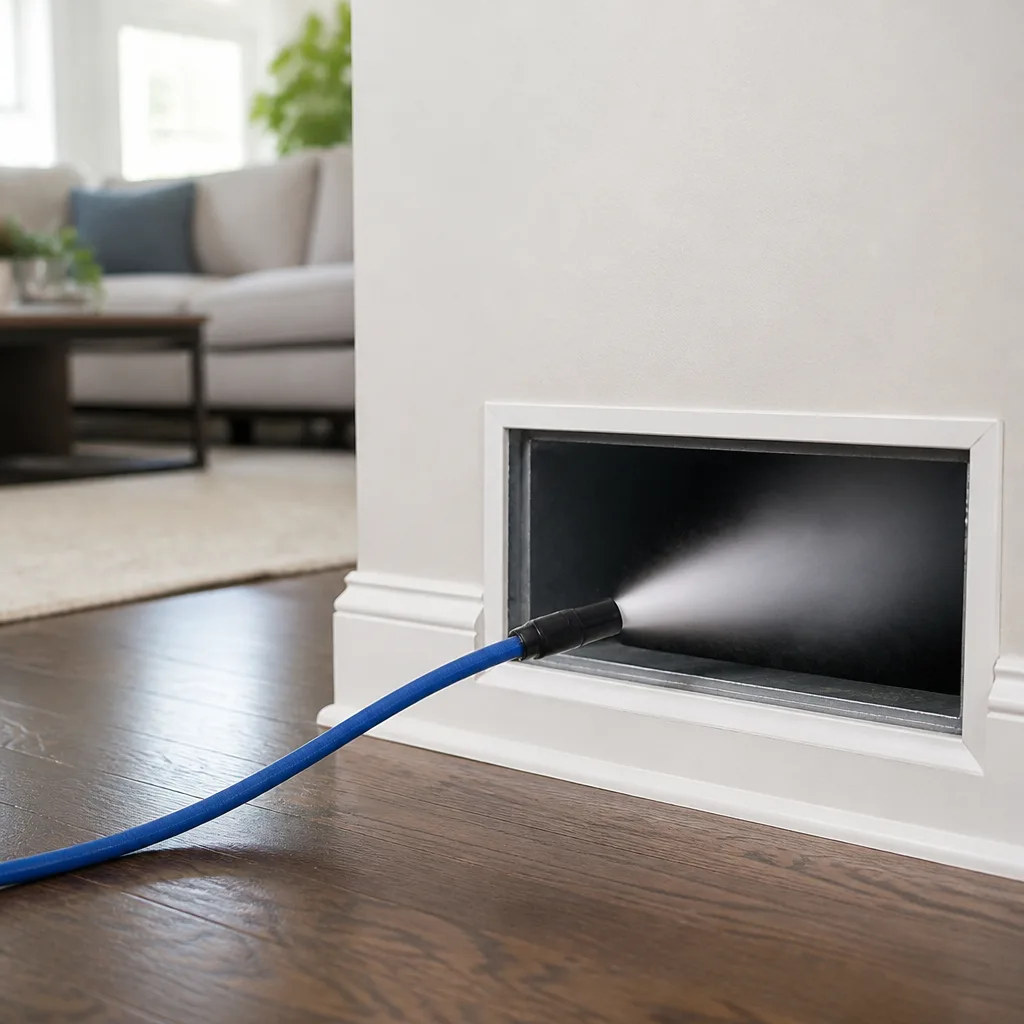 Sanitizing & deodorizing
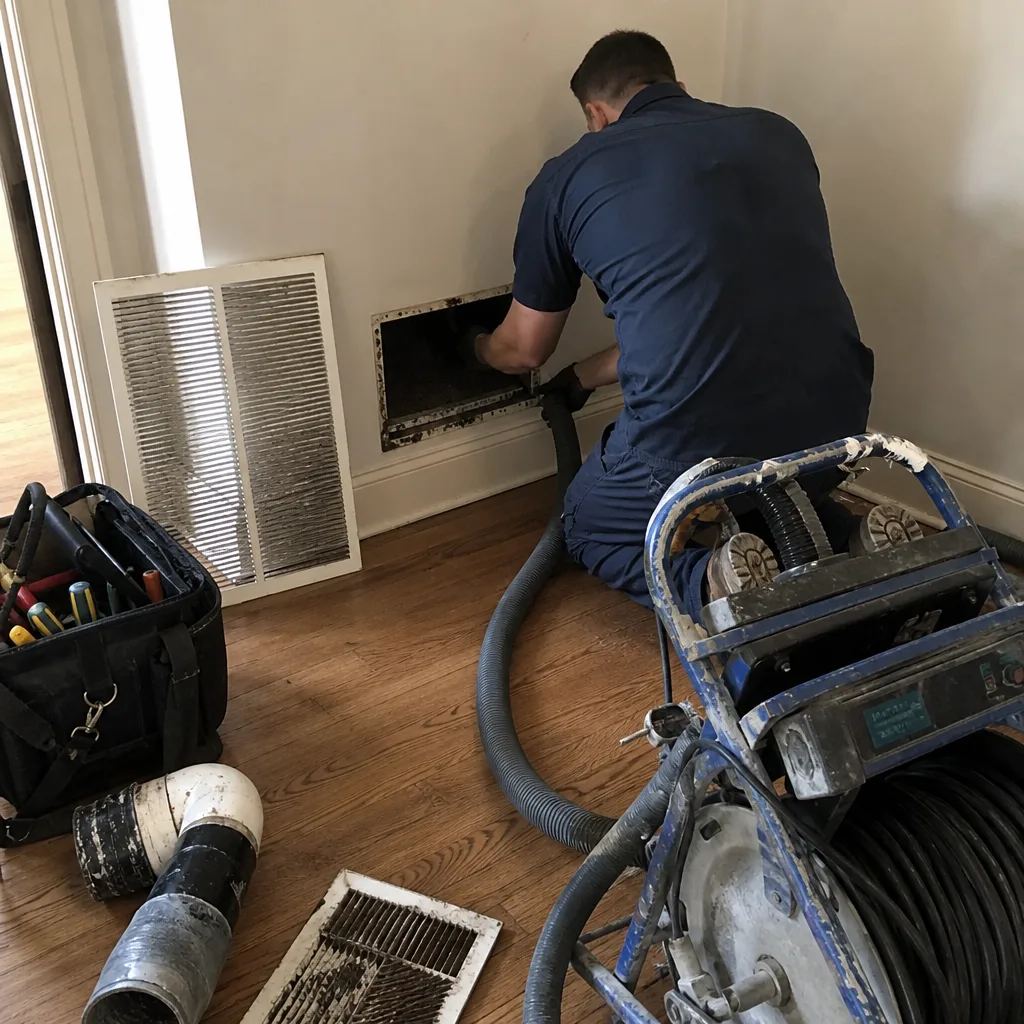
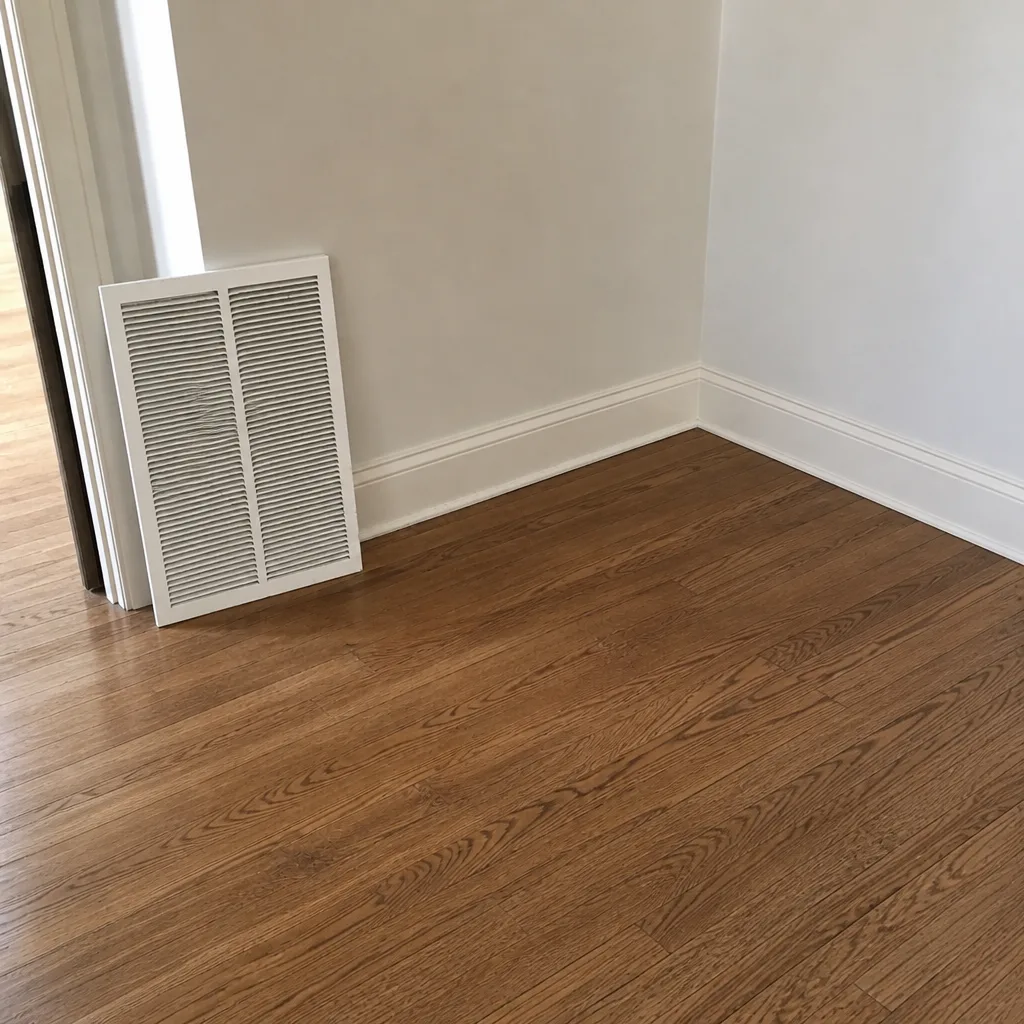
Whole-system duct and dryer vent check with before-and-after photos - you see exactly what came out of your vents
That "$99 whole-house special" is a bait ad - the real number appears once they are in your hallway, or the "clean" is a shop-vac at the register. We photograph the inside of your ducts before and after instead.
Air Duct Cleaning Maintenance Checklist for Myers Park Homeowners
Most duct cleaning companies would prefer you book a cleaning every single year. The industry’s own guidance doesn’t actually say that. NADCA, the trade body that sets the standard for duct cleaning, recommends cleaning when specific conditions are present, not on a fixed calendar. That distinction matters, and it’s one most companies have no financial reason to explain. What follows is a monitoring protocol, not a task list: a room-by-room inspection routine, filter intervals tied to Myers Park’s pollen seasons, and a dated observation log you can hand to any contractor. You’ll learn how to tell real problems from normal dust, and exactly when a Myers Park home moves from “monitor” to “schedule cleaning now.”
Quick Answer
A duct maintenance checklist for a Myers Park home is a documented inspection routine, not a cleaning schedule. You check registers, filter loading, airflow, odors and HVAC components on a set interval, log what you find with dates, and schedule professional cleaning when you hit specific trigger conditions: visible debris or mold at registers, a persistent odor in one room, a recent renovation, a new home purchase, or a system that hasn’t been serviced in years. Annual cleaning is not the standard. Condition-based cleaning is.
Styles & brands we work with
- Whole-home duct cleaning
- Dryer vent cleaning
- Camera inspection
- Sanitizing & deodorizing
Table of Contents
- Why Condition-Based Beats an Annual Schedule
- The Room-by-Room Inspection Checklist
- Setting Filter Intervals for Myers Park Pollen Seasons
- Building a Dated Observation Log
- HVAC Components That Interact With Duct Cleanliness
- What Moves You From Monitor to Schedule Now
- A Seasonal Walkthrough for Myers Park Homes
- What Professional Cleaning Actually Involves
Why Condition-Based Beats an Annual Schedule
The cleaning frequency question gets answered badly almost everywhere. You’ll see “every three to five years” quoted as though it were law. It isn’t. NADCA’s guidance is conditional: clean when there’s visible contamination, when the system has been flooded or run without a filter, when occupants have unexplained respiratory symptoms, or after a renovation. A house with a well-sealed return, a healthy filter change habit and no pets can go long stretches without cleaning. A house in the middle of a Myers Park renovation that ran six weeks without a filter on the return needs cleaning immediately.
The reason this matters in Myers Park specifically comes down to what’s moving through the air. This is an old, heavily planted neighborhood. Oak, pine, elm and the dense street canopy mean a long pollen window from late winter into spring, and a heavy leaf-fall load in autumn. Homes here sit on lots with mature trees crowding the roofline, which puts leaf litter and pollen directly upwind of outdoor intake vents and crawlspace returns. Compare two houses on the same block: one with a 1960s system and original returns, one renovated with sealed ductwork and a media filter cabinet. They need different intervals. A uniform annual schedule would overcharge one and underservice the other.
So the protocol is simple: inspect on a set rhythm, log what you see, and let the findings schedule the work. That’s what the rest of this guide builds out.
What “monitoring” means in practice
Monitoring isn’t passive. It’s a short, repeatable inspection you can complete in under an hour, done on the same schedule each season, with the results written down and dated. Without dates, a contractor walks into a house with no history and has to guess. With dates, they can see whether debris at a register is a chronic condition or a one-time event after a renovation.
The Room-by-Room Inspection Checklist
Do this walkthrough before you call anyone. It’s the same baseline a technician builds from, and it tells you whether the call is even necessary. Grab a flashlight and a notepad. Work room to room, and don’t skip closets or hall returns.
- Start at the filter grille. Remove the filter and look at the returning face. Note the loading pattern: evenly gray means the filter is doing its job; a dark ring around the edges means air is bypassing the frame; a bright band where the filter doesn’t seat means the same thing.
- Shine the light into the return plenum. With the system off, look past the filter slot into the duct. You’re checking for dust buildup on the duct walls, not for a light film. Heavy buildup, flaking material, or anything that looks like a stain warrants a note.
- Check every supply register. Look at the grille slots and the duct throat behind them. A light brown film is normal. Streaking, clumps, or dark spotting is not.
- Note airflow at each register with your hand. Compare registers in the same room and room to room. A supply that’s noticeably weaker than its neighbor, or a room that never heats or cools well, points to a blocked branch run or a disconnected joint.
- Smell the return. A musty, sour or chemical smell at a specific return narrows the problem to one zone. Note which room and what it smells like.
- Check the thermostat and blower door. Look for dust clinging to the blower compartment, and note whether the blower wheel is visible and coated.
- Walk the exterior. Look at outdoor intake and exhaust terminations. Clear them of leaf litter and note whether any screen or cap is missing.
Write down each finding with the room name and the date. This list becomes the foundation of your log, and it’s what the professional air duct cleaning walkthrough builds on when you eventually schedule.
Setting Filter Intervals for Myers Park Pollen Seasons
The “change it every 90 days” advice is a floor, not a rule for Myers Park. Here, filter loading is driven by two things: the pollen calendar and the load inside the house. Run the filter on a fixed calendar and you’ll either waste replacements or run a clogged filter through the worst of the season.
The Myers Park pollen calendar
Late winter into early spring is the heavy tree pollen window, and that’s when a filter loads fastest. Summer is lighter for pollen but heavier for dust, given how much time windows and doors stay open. Autumn brings leaf litter and the first furnace runs, which stir anything that settled over the summer. Winter is the cleanest stretch for outdoor load, but the highest for indoor dust circulation because the house is sealed and the heat runs constantly.
Filter intervals tied to your home’s load
Use these as starting points, then shorten or extend based on what your log shows:
- No pets, no allergies, one or two occupants: inspect at 60 days, replace at 90 days in the peak tree pollen window, extend to 120 days in the quiet stretches.
- One or two pets: inspect monthly, replace at 45 to 60 days year-round. Pet hair loads a filter much faster than the calendar suggests.
- Allergy or asthma in the household: inspect monthly, replace every 30 to 45 days through pollen season. Consider a media cabinet filter rated for higher capture than a standard panel.
- Recent renovation or new construction: inspect weekly during active work, replace when the filter face visibly loads. Construction dust is fine and heavy, and it settles throughout the system.
If you want a fixed, high-capacity option, a media filter setup from Honeywell or Aprilaire installed in a filter cabinet takes the guesswork out of weekends. The cabinet holds a deep-pleat filter that loads slowly and seals to the frame, which stops the bypass you see on cheap panel grilles. That’s a filter design change, not a duct cleaning, and it’s worth doing alongside one.
Building a Dated Observation Log
A log is the single most useful thing you can keep. It converts vague memory into a record a contractor can actually use. Keep it simple: a notebook, a spreadsheet, or a note on your phone. Date every entry. The value comes from comparing one entry to the last.
Log these five categories:
- Odor changes. Note the room, the smell (musty, sour, chemical, smoky) and whether it’s constant or only when the system runs. Odor is often the first sign of moisture or debris in a duct run.
- Visible debris at registers. Describe what you see and where. “Light brown film, master bedroom supply” is more useful than “dusty.”
- Airflow changes. Note any register that feels weaker than last season. Rising system pressure shows up as weaker airflow before it shows up anywhere else.
- Utility bill movement. Track the monthly bill against the same month last year, not against last month. A clogged coil or a leaking duct run shows up as a slow climb in cooling and heating cost. Note the month and the direction.
- Filter loading dates. Every change, every inspection, with the filter’s condition noted.
Two or three seasons of entries turn a guess into a diagnosis. When a professional walks into a Myers Park home with a dated log, the conversation changes from “what do you think needs doing” to “here’s the pattern, here’s the recommendation.”
HVAC Components That Interact With Duct Cleanliness
Ductwork doesn’t get dirty in isolation. Three components sit on the air path and drive what ends up in your ducts, and you can inspect all three without tools. Do this with the system off and the power disconnected at the thermostat or breaker, and don’t reach into moving parts. If anything looks damaged or the blower won’t turn freely, that’s a call for a qualified technician, not a homeowner repair.
The evaporator coil
The coil sits inside the air handler or above the furnace, and it’s where condensation forms. Look at the coil face through the access panel if your unit has one. A clean coil is bright metal. A coil matted with dust and lint restricts airflow across the whole system, and a dirty coil is a common reason a home feels humid and a duct system seems to be underperforming. Never pull a coil yourself; note its condition and let a technician handle it.
The condensate drain pan
Below the coil sits the drain pan. Check for standing water, rust, or a slimy film. Standing water in a drain pan is a moisture source that feeds right into the return, and it’s a genuine reason to move faster than the duct cleaning schedule alone would suggest. If the pan is holding water, note it and ask about it when you call about HVAC cleaning.
The blower wheel
The blower wheel moves air through the whole system. A clean wheel has visible, distinct blades. A wheel caked with dust loses efficiency and pushes less air, which puts more load on the motor. If you can see the wheel through the blower access and it looks fuzzy or coated, that’s a note for the log and a strong case for professional HVAC cleaning alongside the ductwork, since the two share the same air path.
What Moves You From Monitor to Schedule Now
This is the heart of the checklist: the conditions that turn “keep watching” into “book the cleaning.” Any one of these is enough. Two or more and you shouldn’t wait.
- Visible debris or spotting at registers. Streaking, clumps, dark spotting, or anything that looks like mold growth on the grille or duct throat. Mold at a register is a sign of moisture, not just dust, and it moves this to urgent.
- A persistent odor in one room or zone. Especially a musty or sour smell that only appears when the system runs, and especially if it’s getting stronger over successive log entries.
- A recent renovation or new construction. Drywall dust, sawdust and insulation fibers settle into the system and stay there. This is a scheduled cleaning, not an emergency, but it shouldn’t wait a season.
- A new home purchase. You don’t know the previous owner’s filter habits, and a home that sat empty through a Myers Park summer is worth a full inspection before you move in or shortly after.
- Years without service. If the system hasn’t been serviced in years and the filter habit was inconsistent, assume the ducts are contaminated and inspect accordingly.
- Unexplained health symptoms in the household. New or worsening allergy or asthma symptoms that track with time spent in the house warrant a professional inspection. This isn’t a diagnosis, it’s a reason to check the air path.
- A rising utility bill with no other explanation. A slow climb against the same month last year, alongside a coated coil or blower, points to restricted airflow that cleaning addresses.
- A system that ran without a filter. A missing or neglected filter lets debris straight into the coil and blower. This one moves to schedule now regardless of anything else on the list.
One more condition that lands between monitor and schedule: pest activity. Rodent or bird intrusion into a duct or return leaves contamination that needs professional removal and sanitizing, not a homeowner vacuum. If you note droppings or nesting material, stop the walkthrough and call.
A Seasonal Walkthrough for Myers Park Homes
Four walkthroughs a year is the right rhythm, and each one has a focus tied to what’s happening outside. The routine is the same each time, so it gets faster. Do it on the same weekend each season so the entries line up.
- Late winter / early spring: the heavy tree pollen window. Inspect filters monthly, watch for pollen loading on return grilles, and check whether outdoor intake screens are still clear after winter storms.
- Late spring / early summer: transition to cooling. Check airflow at every supply as the AC comes on, and check the condensate pan as cooling starts because that’s when it fills.
- Late summer / early fall: the furnace changeover. This is when settled summer dust gets stirred into the air for the first time. Note any odor at registers on the first few furnace runs, and clear leaf litter from exterior exhaust and intake terminations before the fall drop.
- Late fall / early winter: the sealed-house season. Filters load faster from indoor circulation, and humidity drops. Check filters every 30 to 45 days and review the whole log for a pattern.
A Myers Park house on a dense, tree-lined street needs the late-winter and late-fall walkthroughs most. Both seasons bring debris upwind of the intake, and both are when homeowners notice a change without being able to name it. The log fixes that.
What Professional Cleaning Actually Involves
When the log says it’s time, you want to know what you’re paying for and what separates a real cleaning from a vacuum pass. A professional duct cleaning starts with negative-pressure extraction: the technician connects a collection unit to the system so the whole duct run is under suction, then works each branch with an air-driven agitation tool that dislodges debris without a shop-vac arrangement. Rotobrush and Nikro systems are purpose-built for this, which is why they show up on serious jobs and shop-vacs don’t. Once the system is under suction, every register and return is worked in turn so nothing is left behind.
From there, the work can include several options beyond the cleaning itself. A contact-time sanitizing step, using a defined product protocol, treats surfaces after they’re clean, not before. That’s the difference between a documented treatment and a spray-and-go. Duct repair and sealing addresses joints that were letting air escape into a crawlspace or attic; sealing is pressure-tested so you know it held. And a filtration upgrade with Honeywell or Aprilaire products changes what gets through the filter in the first place, which is what protects the cleaning you just paid for. Homes with heavier contamination may call for stronger equipment, and Abatement Technologies units are on hand for exactly those scenarios. Because it’s all one air path, keeping it under one company’s roof means the coil, blower, ducts and filtration are addressed as a connected system rather than four separate visits.
Ask for before-and-after photos of your own system, and ask what happens to the debris collected during the job. A technician who can’t answer both hasn’t done the work often enough to explain it.
Common Mistakes to Avoid
- Treating the annual cleaning as mandatory. It’s not. Cleaning on a calendar rather than on conditions means paying for work that isn’t needed, and it hides the real signal in your log. The checklist exists to give you a reason to schedule, or a reason not to.
- Replacing the filter but never inspecting the return. A clean filter in front of a dirty return plenum solves nothing. Look past the filter slot every time you change it.
- Ignoring a smell because it’s faint. Odor is often the first thing the log catches, and it usually points to a moisture problem in one zone. A faint musty smell at one return in a Myers Park home is worth checking, not dismissing.
- Skipping the walkthrough after a renovation. Construction dust is fine, heavy and settles into every branch of the system. A renovation without a follow-up inspection means the ducts carry that dust for years.
- Never logging anything. Without dated entries, you can’t tell a slow trend from a one-off. A clean filter change is only meaningful next to the last one.
- Hiring on a single low quote. A price that doesn’t include negative-pressure extraction, register-by-register work, or photos of your own system is a price for something other than cleaning. Ask what equipment and what process the quote covers.
- Turning an inspection into a repair project. Check the blower wheel, coil and drain pan, note what you see, and let a qualified technician handle anything that requires opening the system. Homeowner inspection stops at the access panel.
See the difference
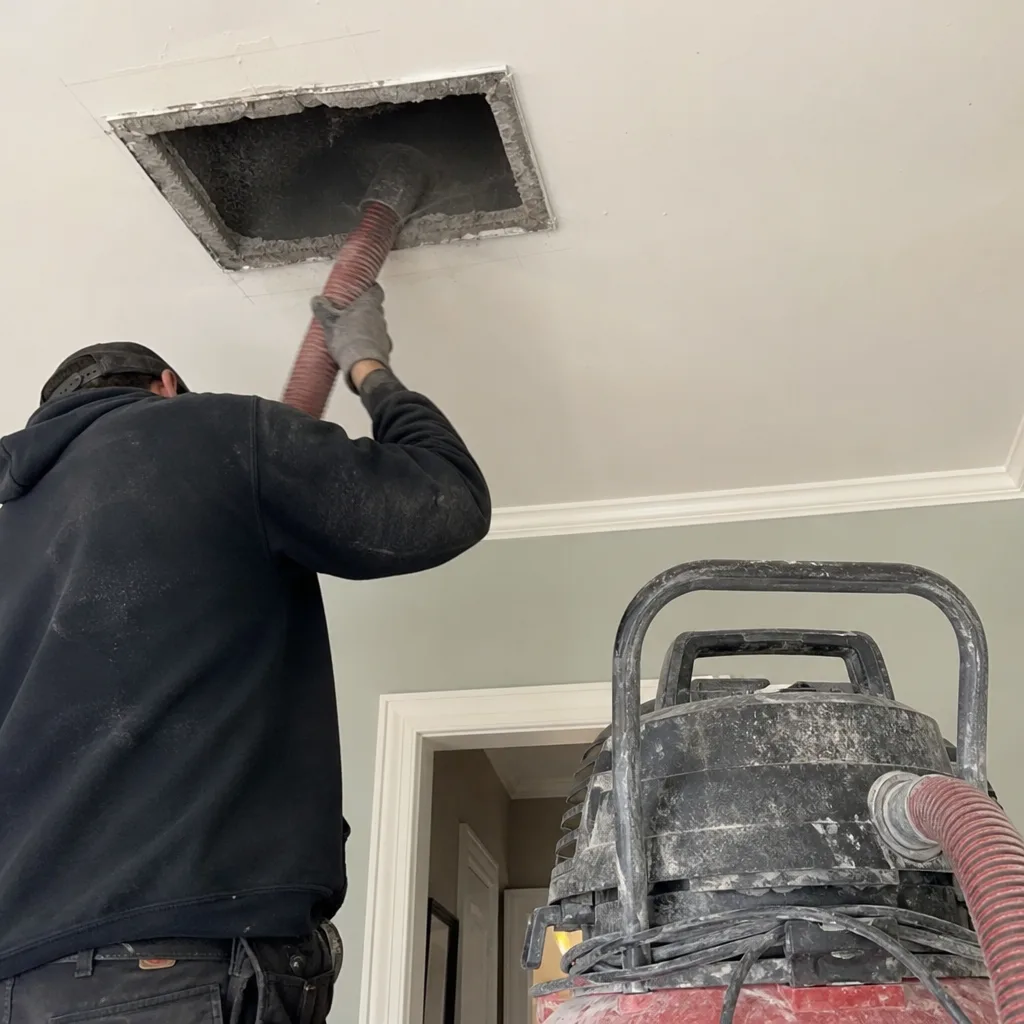 Before
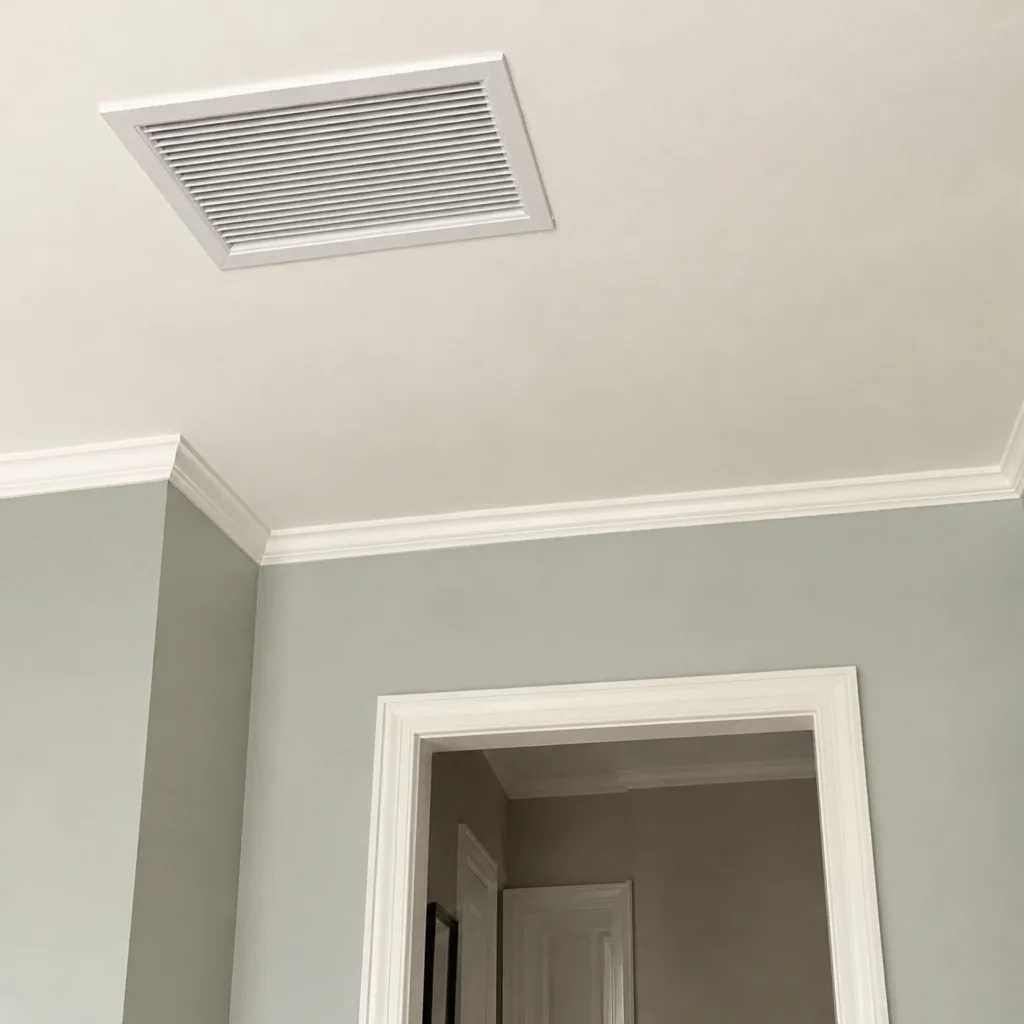 After
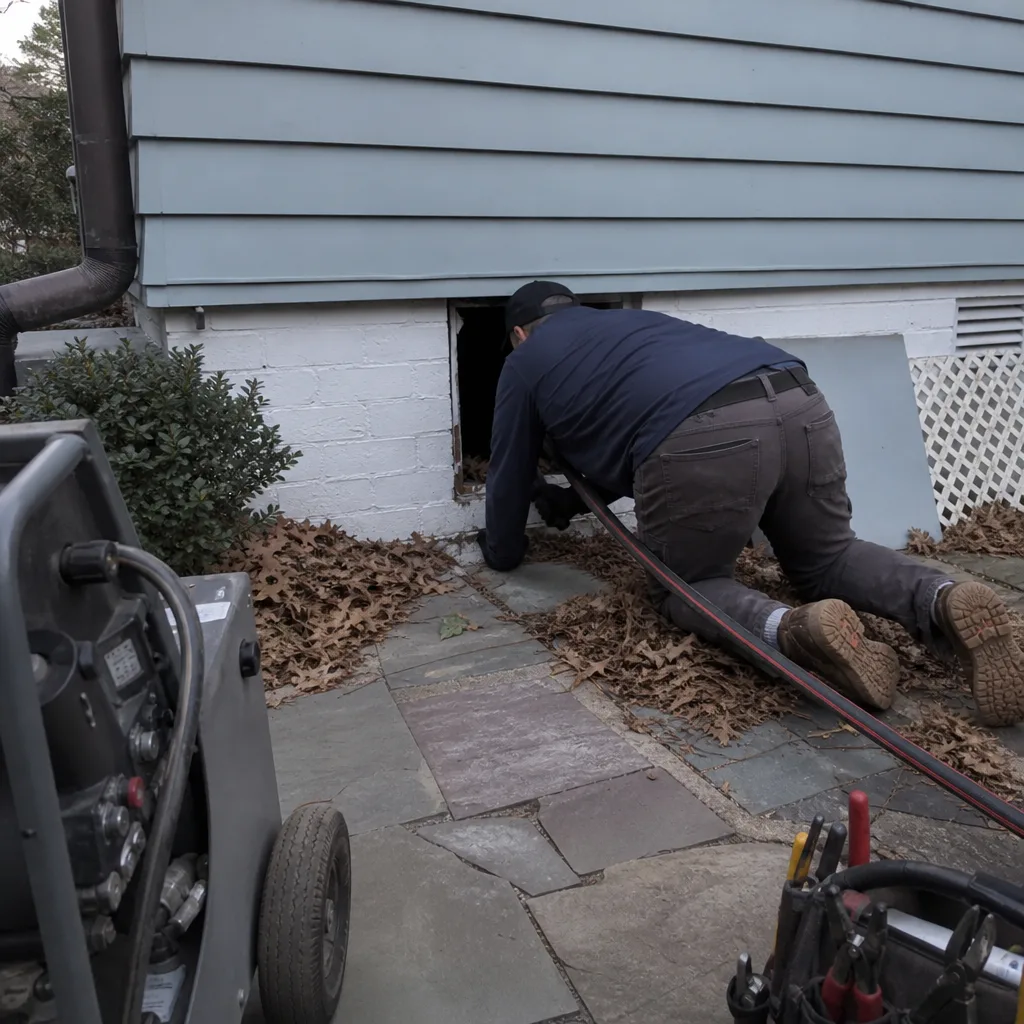 Before
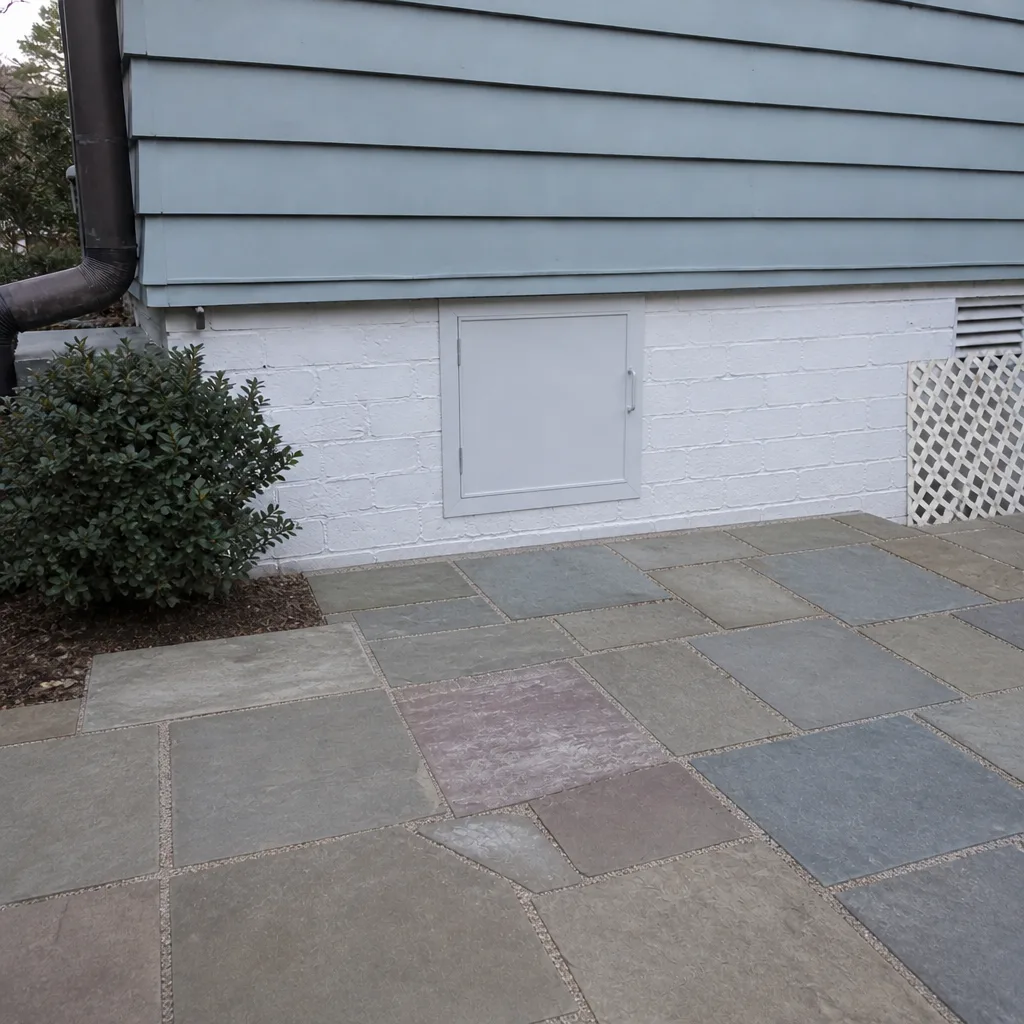 After
 Before
 After
When to Call a Professional
Call a professional when any of the schedule-now conditions above are present: visible debris or spotting at registers, a persistent odor in one room, a recent renovation, a new home purchase, or years of inconsistent filter habits. Also call if you’ve noted droppings, if the drain pan is holding water, or if your log is starting to show a slow climb in utility cost that you can’t otherwise explain. Those are inspection reasons, not emergencies. Where a licensed probe is needed, the local pro is licensed and insured as their state requires, and the estimate is free.
Air Duct Cleaning Myers Park offers free estimates in Myers Park. Call (877) 792-5816. We answer 24/7, and fast dispatch from 7am to 7pm runs Sunday through Friday. Our technicians have up to 11 years of experience, and we work with Rotobrush, Nikro, Honeywell and Aprilaire equipment because the process is only as good as the machines running it.
Frequently Asked Questions
There’s no fixed interval. NADCA recommends cleaning when specific conditions are met: visible contamination, a renovation, a system that ran without a filter, or unexplained respiratory symptoms in the household. The right approach for a Myers Park home is a seasonal inspection routine with a dated log, and cleaning becomes the answer when the log shows one of those conditions. Call (877) 792-5816 for a free estimate if your log has started to point that way.
It’s priced per system by a written estimate, not per vent, and the estimate is free. A per-vent or coupon price is the thing to be wary of, because a low advertised figure often becomes a much larger invoice once the technician is on site. Ask for a flat price per system agreed before work starts, and ask for before-and-after photos of your own ducts so you know the work got done. Call (877) 792-5816 to get your system assessed and priced.
Because they’re often for a different job. A low quote sometimes covers a quick surface vacuum from a shop-vac rather than negative-pressure extraction with a purpose-built system worked register by register. The difference isn’t a secret discount; it’s omitted work. Ask what equipment and what process a quote includes, and if the answer is vague, that’s your answer. Call (877) 792-5816 for an estimate that spells out the process.
Ask for before-and-after photos of your own system, taken during the job, and ask what happens to the collected debris. A technician who works a system under negative pressure, register by register, can show the difference. A one-hour visit with no photos and no collection report is worth questioning. If you’re unsure whether your system needs cleaning at all, a professional inspection is the way to find out; call (877) 792-5816.
Run the room-by-room walkthrough: check filters and return plenums, look behind every supply register, feel airflow at each vent, and note any odor and which room it’s in. Then check the coil face, drain pan and blower wheel without opening anything. Those findings tell you whether to call now or keep monitoring, and they make the conversation easier when you do.
It means you need an inspection soon, not necessarily the same day. Construction dust is fine and heavy, and it settles into the return and supply runs, so it’s a schedule-now condition in the sense that it shouldn’t be deferred a season. A renovation on a Myers Park home is one of the clearer signals in this entire guide.
Yes, and it protects the cleaning. A sealed media filter cabinet from Honeywell or Aprilaire loads slowly and stops the bypass you see on cheap panel grilles, which is what lets debris past the filter and into the system. Upgrade at the same visit and the ducts stay cleaner longer.
The Bottom Line
Duct maintenance for a Myers Park home isn’t a cleaning schedule; it’s a monitoring protocol. Inspect on four seasonal walkthroughs, set filter intervals against the local pollen calendar and your home’s own load, and log what you find with dates. Cleaning is the answer when the log shows a trigger condition: visible debris or spotting at registers, a persistent odor, a renovation, a new purchase, years without service, or a system that ran without a filter. That approach saves you money on work you don’t need and gets you into a proper cleaning when you do. When the log says it’s time, ask for a flat price per system and before-and-after photos.
Call (877) 792-5816 for a free estimate. We answer 24/7, and fast dispatch from 7am to 7pm runs Sunday through Friday.
Written by the team at Air Duct Cleaning Myers Park.