
Last updated November 25, 2026
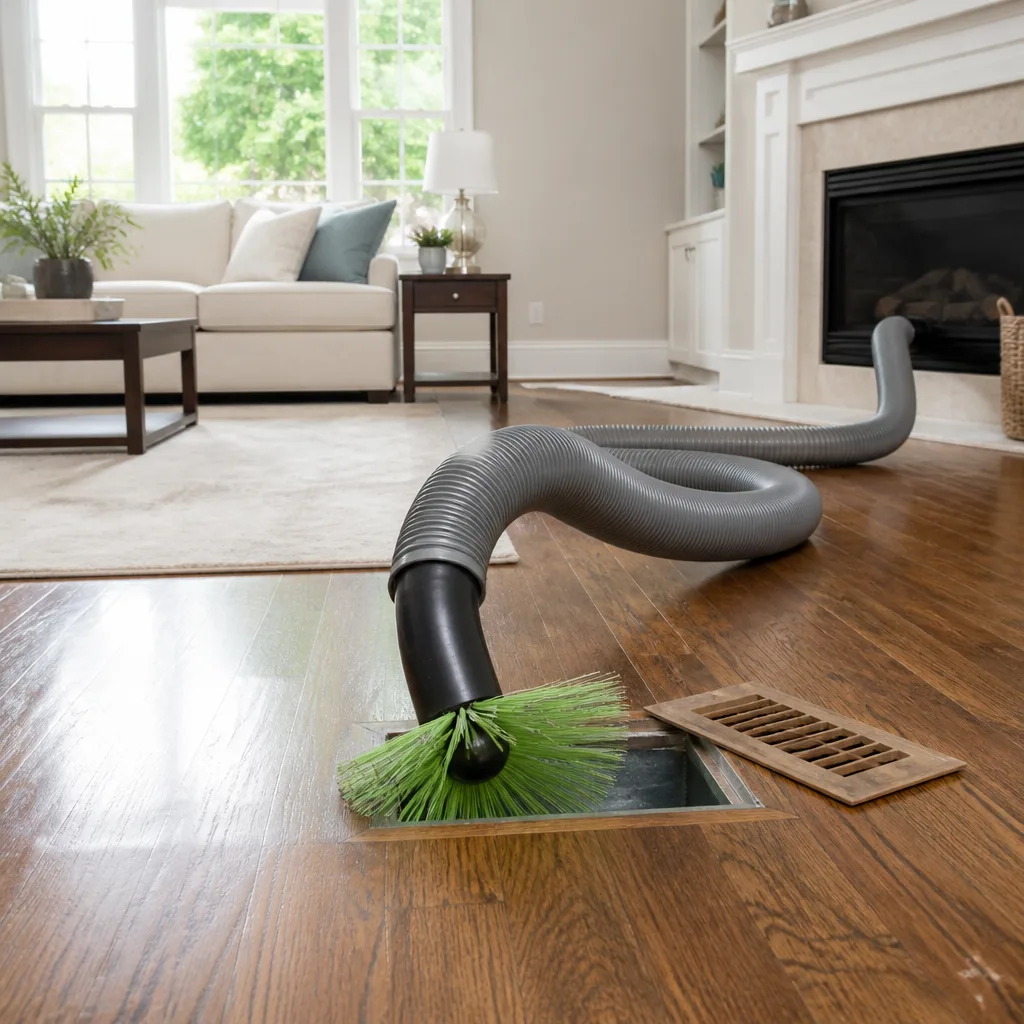 Whole-home duct cleaning
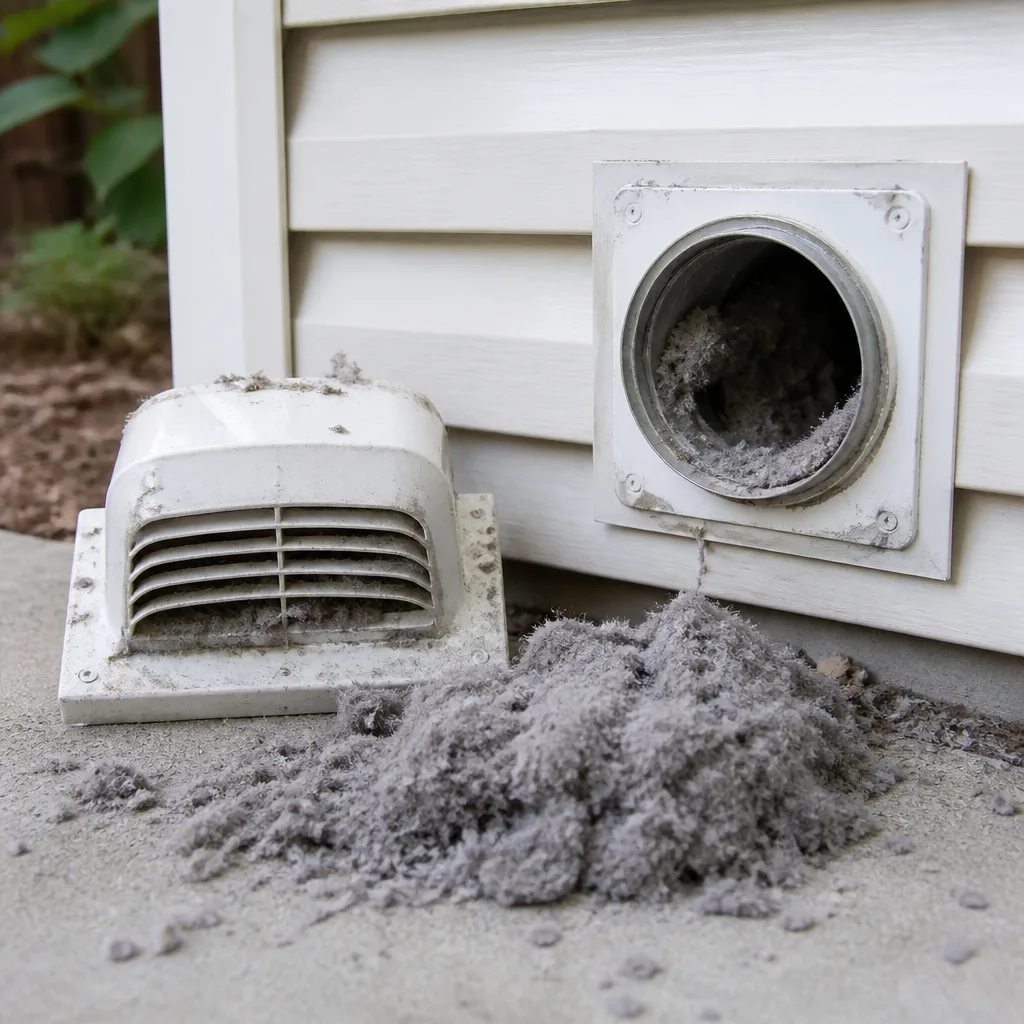 Dryer vent cleaning
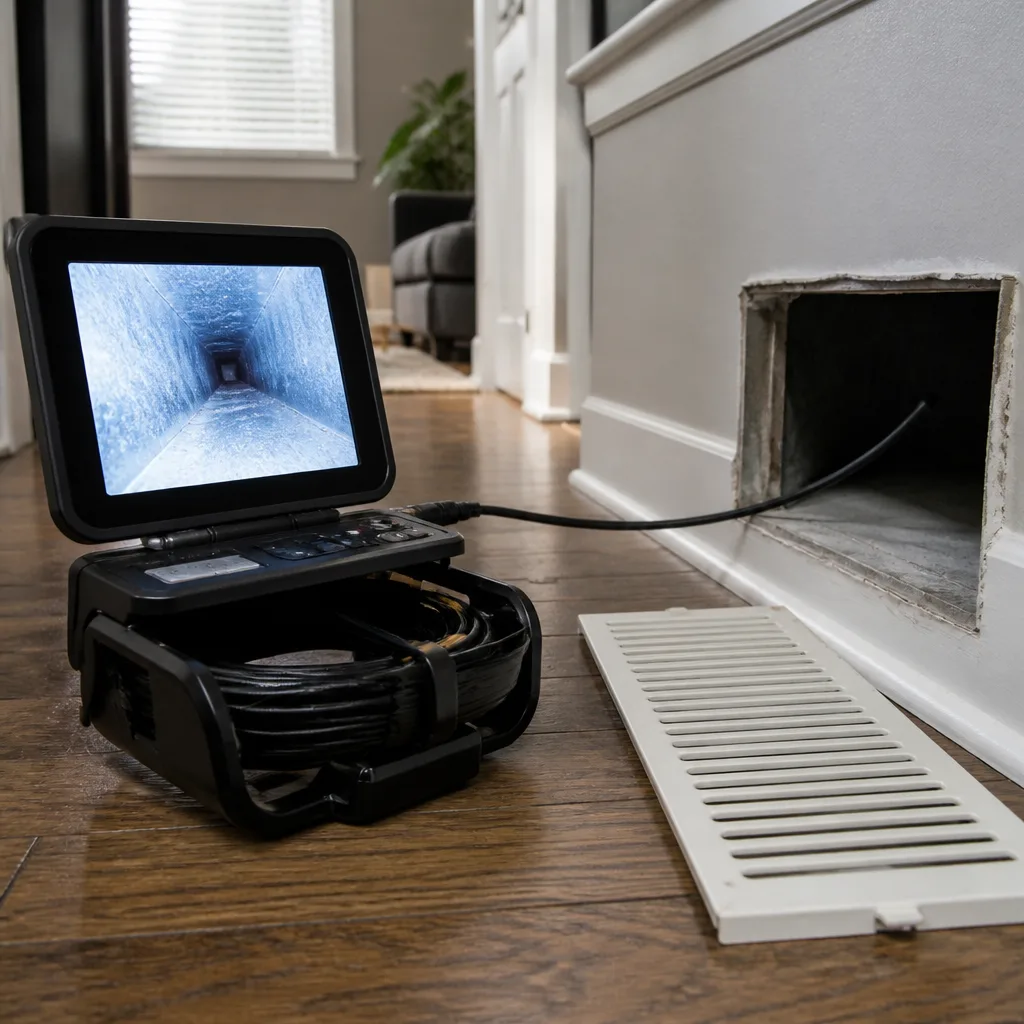 Camera inspection
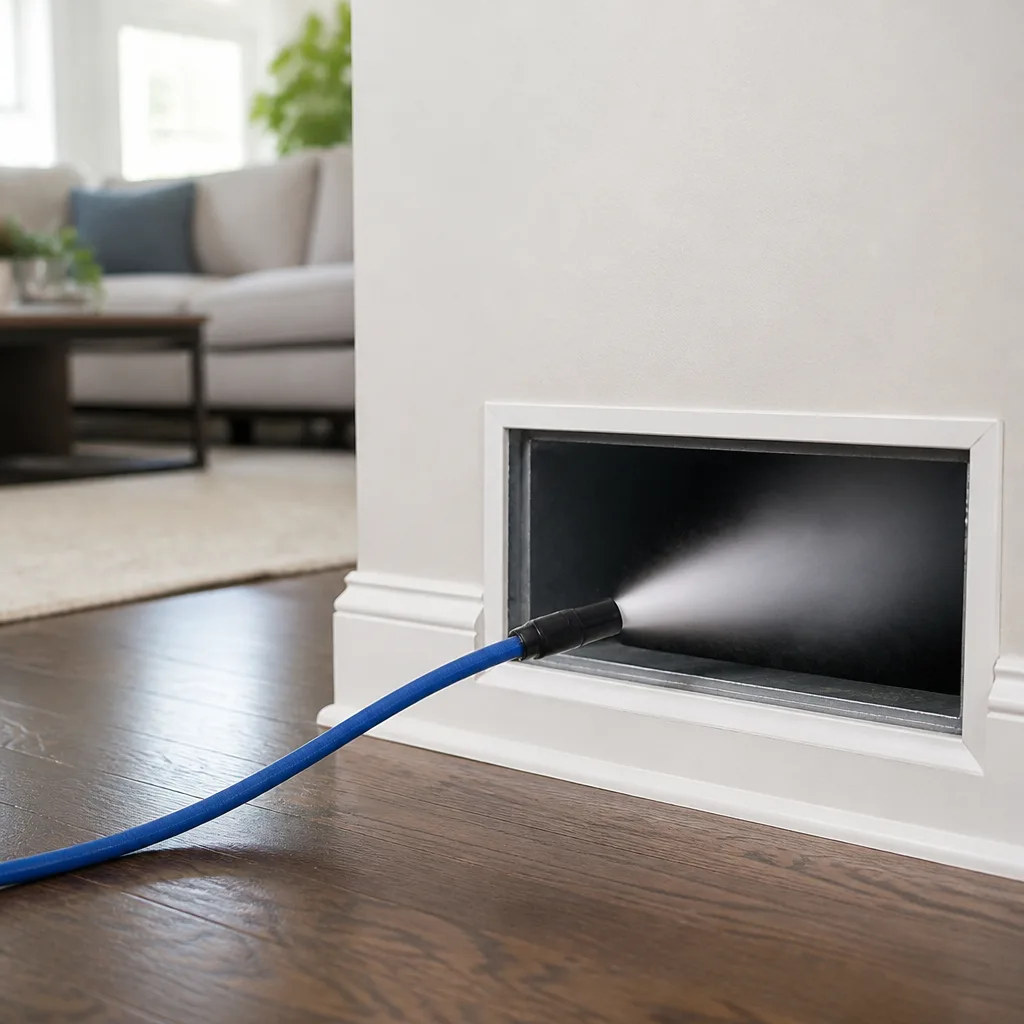 Sanitizing & deodorizing
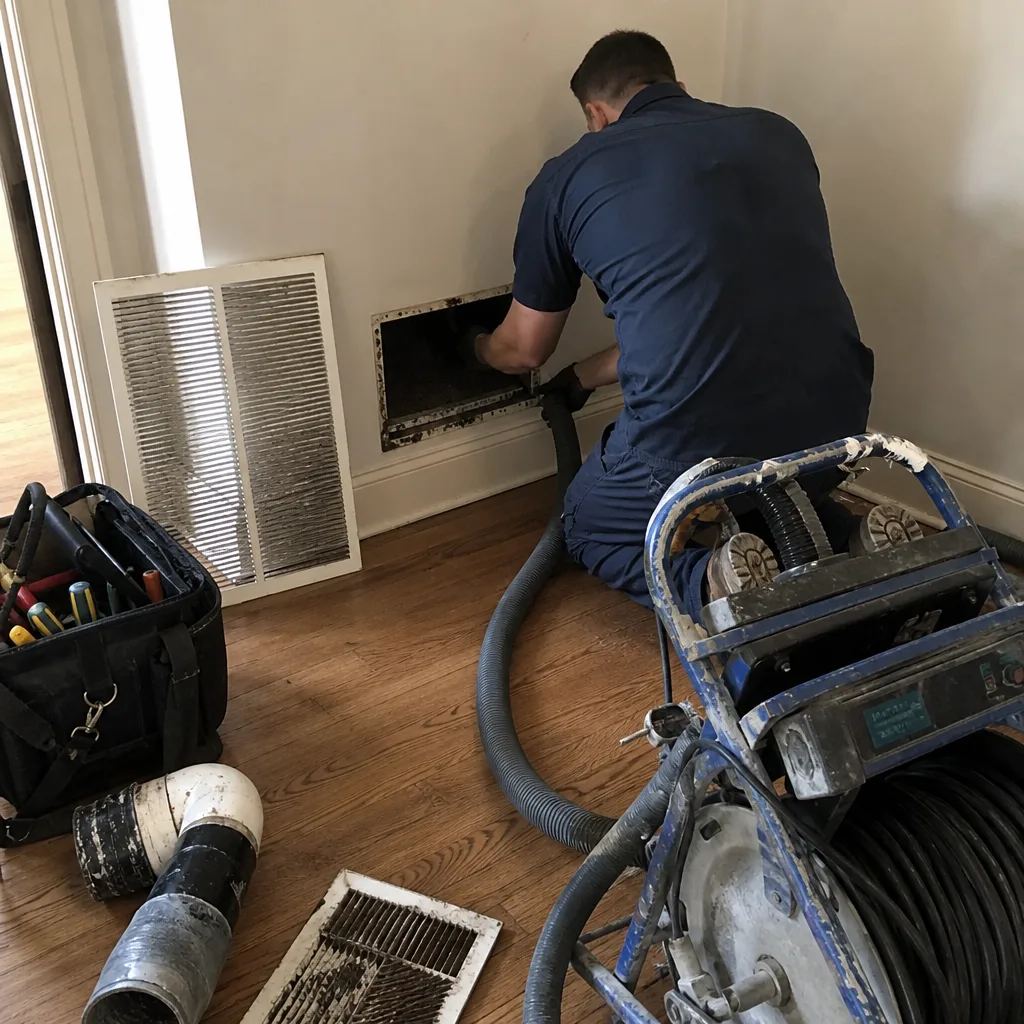
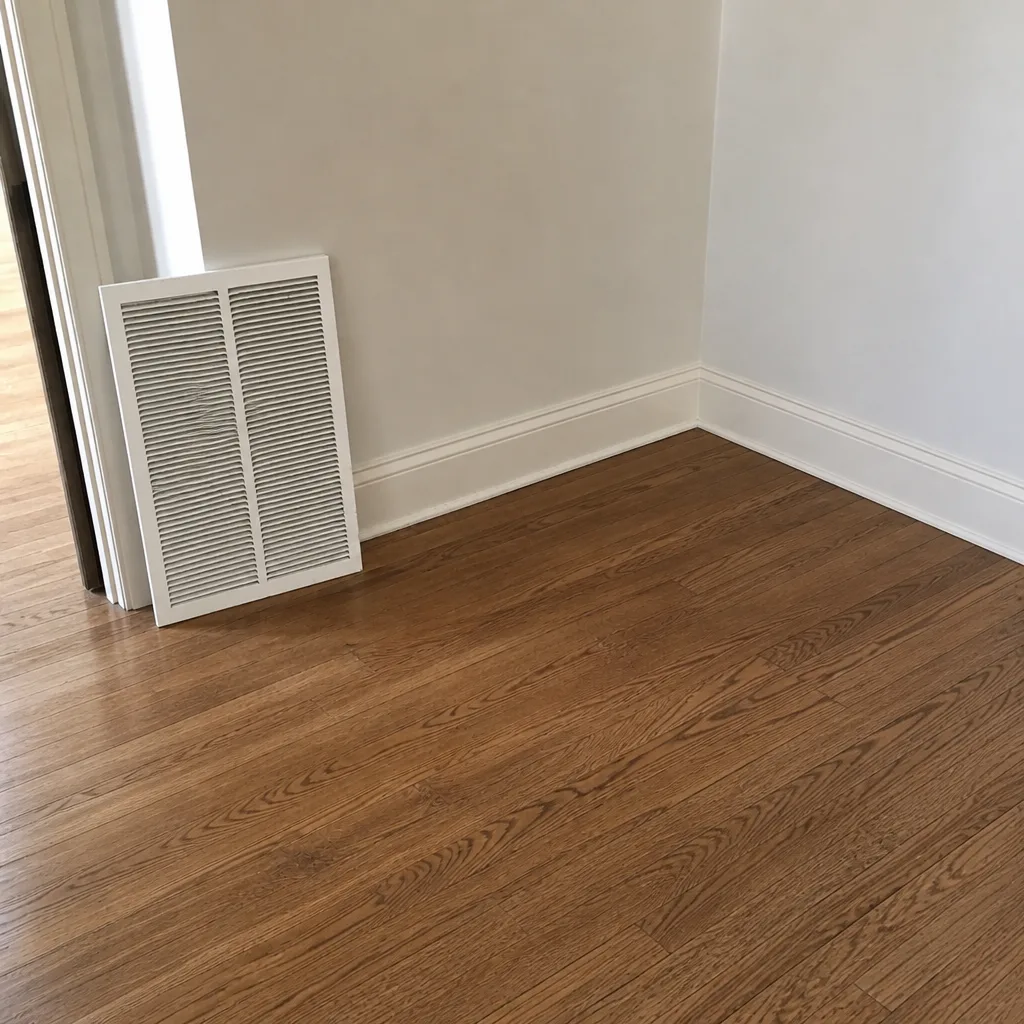
Whole-system duct and dryer vent check with before-and-after photos - you see exactly what came out of your vents
That "$99 whole-house special" is a bait ad - the real number appears once they are in your hallway, or the "clean" is a shop-vac at the register. We photograph the inside of your ducts before and after instead.
Air Duct Cleaning Cost Breakdown: The Myers Park Homeowner’s Reference for 2026
A $99 whole-house duct cleaning and a $650 whole-house duct cleaning are not the same service sold at different margins. They are categorically different processes, run on different equipment, by different numbers of people, for different amounts of time. That’s the part most quotes leave out, and it’s the reason Myers Park homeowners end up comparing a total to a total and guessing. This reference breaks the price into its actual parts: what drives cost, which add-ons earn their place, and what a fair 2026 range looks like for a 2,000 to 3,500 sq ft home here. You’ll finish knowing how to read a quote instead of just accepting one.
Quick Answer
Air duct cleaning in Myers Park for a typical 2,000 to 3,500 sq ft home runs roughly $350 to $700, with most jobs landing near the middle once the number of vents, duct material, and system access are tallied. Prices toward $150 usually mean a single pass with a shop-style vacuum and no real agitation of the dust; prices above $900 usually include sanitizing, coil cleaning, sealing, or heavy contamination work. The written estimate, based on an on-site scope assessment, sets the final price.
Styles & brands we work with
- Whole-home duct cleaning
- Dryer vent cleaning
- Camera inspection
- Sanitizing & deodorizing
Table of Contents
- Why duct cleaning prices vary by a factor of four
- What actually drives the cost: a line-item breakdown
- Why square footage is a poor pricing metric
- What a real scope assessment looks like
- Add-ons with clear value vs. upsells with questionable ROI
- How to compare quotes apples-to-apples
- What a fair 2026 price range looks like in Myers Park
- Common mistakes to avoid
- When to call a professional
- Frequently asked questions
Why Duct Cleaning Prices Vary by a Factor of Four
The spread between the lowest and highest quote on the same Myers Park house is wider than in almost any other home service, and it isn’t because one operator is gouging and another is generous. It’s because the word “cleaning” covers two different jobs.
On the low end, a technician arrives with a portable vacuum, connects it to one or two vents, and pulls loose surface dust for an hour or two. Nothing agitates the dust bonded to the duct walls, so a good portion of it stays put and settles back into the supply stream within weeks. On the high end, a truck-mounted or contractor-grade system like a Rotobrush or Nikro unit runs a mechanical brush or air whip through each branch line while a negative-pressure vacuum holds the whole system under suction, so dislodged debris leaves the ducts instead of drifting into the room. Two technicians work the lines. That job takes three to five hours on a typical Myers Park home.
The equipment difference is the biggest single cost driver, and it’s invisible on a quote. A purpose-built duct-cleaning system with the vacuum, hose runs, and agitation tools costs many times what a shop vacuum does, and that capital sits in every job’s price. When a quote comes in at a quarter of the others, the first question worth asking is what machine will be in the driveway.
Labor is the second driver. Two technicians for half a day is a materially different cost than one person for an hour, and the difference shows up in the price whether or not the quote says so.
What Actually Drives the Cost: A Line-Item Breakdown
Strip away the marketing and a duct cleaning price is built from five components. Knowing them lets you see where a quote is heavy or thin.
- Equipment and its upkeep. Contractor-grade vacuums, rotary brushes, air whips, and HEPA filtration cost far more than consumer equipment and require maintenance and consumables. This is the largest line in a legitimate quote.
- Labor hours per linear foot of ductwork. Every branch line and return has to be reached, agitated, and evacuated. A home with long runs and a finished basement has more duct than its square footage suggests.
- Number of technicians. One person can hold a vacuum; effective agitation plus extraction generally takes two. Crew size is baked into the hourly rate.
- Access difficulty. Vents under furniture, ceiling registers over stairwells, and ducts in tight chases all add time. Older Myers Park homes with finished attics or added-on rooms often have runs that take extra care to reach.
- Contamination level. A system cleaned regularly is straightforward. A system that has never been touched, or one feeding off a recent renovation, takes longer and may call for Abatement Technologies-grade equipment and containment.
Add those five and you have the price. What you won’t see listed separately is a service-call fee; a proper quote is per job, agreed before any work starts. If a company can’t tell you what machine they’ll use and how many people will be there, the quote isn’t detailed enough to compare.
Why Square Footage Is a Poor Pricing Metric
Square footage tells you how big the house is. It tells you almost nothing about the duct system inside it, which is what you’re actually paying to clean. Two Myers Park homes of identical size can have very different duct layouts and very different cleaning times.
What matters more:
- Number of supply and return vents. This is the closest thing to a fair pricing unit, because each vent is a point of work. A home with 14 supplies and 3 returns is a bigger job than one with 9 and 2, even at the same square footage.
- Duct material. Sheet metal cleans predictably. Flexible duct has ridges that trap debris and requires gentler agitation so the liner isn’t damaged. Fiberboard duct demands care and sometimes replacement of damaged sections.
- System age and service history. A system that’s never been cleaned carries years of accumulated dust; one serviced a few years ago is faster.
- Layout and access. Long horizontal runs in an attic or crawlspace, multiple zones, and tight mechanical closets all add time.
That’s why a square-footage-based quote is a red flag. It’s a guess disguised as a measurement. A proper price comes from counting vents, checking duct material, and looking at the air handler.
What a Real Scope Assessment Looks Like
A scope assessment is the walkthrough a reputable company does before quoting. It’s how a price becomes specific to your home instead of a number pulled from a menu. Here’s the sequence a thorough one follows:
- Count every supply and return vent and note their locations and heights. Ceiling registers over stairwells and vents behind heavy furniture get flagged because they affect access time.
- Open the air handler or furnace cabinet and inspect the blower, evaporator coil, and filter slot. A caked coil or a blower matted with dust changes the scope.
- Identify duct material in each run – sheet metal, flex, or fiberboard – since each takes a different agitation approach.
- Check for contamination signals: visible debris, musty odor, pest evidence, or recent renovation dust. These push a job toward Abatement Technologies-grade equipment and containment.
- Confirm access points for the vacuum hose and agitation tools, including any attic or crawlspace entries.
- Note the dryer vent condition if it’s being quoted alongside, since a crushed or lint-packed vent is its own job.
The output should be a written scope: number of vents, material notes, add-ons, and a flat price per system. In our experience, the walkthrough is where the honest quote gets made and where the “$99” version quietly falls apart, because there’s no room in it for any of the above.
Add-Ons With Clear Value vs. Upsells With Questionable ROI
Not every add-on is a cash grab, and not every one earns its place. The test is simple: does it solve a problem you can name, and does it hold up over time?
Add-ons that clearly earn their place
- Dryer vent cleaning. Lint buildup in a dryer vent is a leading cause of residential fires, and it also slows drying times. It’s a distinct job from duct cleaning and worth doing on its own schedule. This is a dedicated service we handle, not an afterthought tacked onto a duct quote.
- Evaporator coil cleaning. A dirty coil cuts efficiency and strains the system. If the assessment shows buildup, cleaning it alongside the ducts makes sense because the cabinet is already open.
- Sanitizing. After extraction, a contact-time sanitizing treatment applied with a defined, documented protocol (Guardsman-backed) addresses odor and microbial concerns, particularly after a renovation or a moisture event. It’s not a substitute for cleaning – it comes after.
Add-ons to question
- Sealing pitched as a cure-all. Pressure-tested sealing of leaky joints is genuinely useful when the assessment finds real leakage, but it’s often sold as a blanket add-on whether or not your system needs it.
- High-end filtration sold blind. Upgrading to a Honeywell or Aprilaire filtration product can be a smart move for allergy or asthma households, but only after the ducts are clean and the filter slot is checked for fit. Selling it before cleaning is backwards.
- Multiple “treatments” stacked without a diagnosis. If no one has shown you the contamination they’re treating, the treatment is a guess.
The full menu – air duct cleaning, dryer vent cleaning, HVAC cleaning, air quality and sanitizing, and duct repair and sealing – is best treated as one connected system rather than a checklist to buy through. You clean the ducts, address the air handler, fix what’s leaking, and filter what’s left. Each step should be justified by something the technician saw.
How to Compare Quotes Apples-to-Apples
Comparing total prices across quotes is comparing apples to oranges unless each quote describes the same scope. Use a checklist to line them up. If a quote can’t answer a line, that’s your answer.
- Equipment named. What machine will agitate the dust, and what vacuum holds negative pressure? “Professional equipment” is not an answer; a model like Rotobrush or Nikro is.
- Crew size and estimated hours. One person for an hour and two for four hours are different jobs.
- Vent count in the scope. The price should reflect a specific number of supplies and returns, not a square-footage estimate.
- What’s included vs. add-on. Sanitizing, coil cleaning, and sealing should be listed as included or optional with a price, not left vague.
- Before-and-after photos. A company confident in its work photographs your own ducts, not stock images.
- Flat price per system. The quote should be one number agreed before work starts, not a per-vent price that can grow once the technician is inside.
- Written estimate. Get the scope and price in writing. That document is what sets the final price.
A low quote that describes none of this isn’t cheaper – it’s just less defined. When you line up three quotes against this list, the wide gaps usually shrink to explainable differences.
What a Fair 2026 Price Range Looks Like in Myers Park
For a typical 2,000 to 3,500 sq ft Myers Park home with a standard vent count, a fair 2026 estimate runs about $350 to $700 for thorough whole-system cleaning using contractor-grade equipment. Here’s how that breaks down by scenario.
- Standard home, moderate vent count, system cleaned before: roughly $350 to $500. Straightforward extraction with routine agitation.
- Larger home or higher vent count, or a first-ever cleaning: roughly $500 to $700. More runs to work, more accumulated debris.
- Adding sanitizing or coil cleaning: expect the total to move toward the upper end or slightly beyond, depending on what the assessment found.
- Heavy contamination, recent renovation, or pest evidence: above $700, with Abatement Technologies-grade equipment and containment. This is where a shop-vac operator shouldn’t be quoting at all.
What should raise the estimate: many vents, flex or fiberboard duct, difficult access, a neglected system, or add-ons you’ve chosen. What should lower it: fewer vents, a recently serviced system, easy access, and cleaning only the ducts with no extras.
Myers Park’s housing stock matters here. The neighborhood’s older homes often have added-on rooms and finished attics that complicate duct runs, and the long hot, humid summers mean the air handler works hard and the system pulls in plenty of dust and pollen. A home that’s been through a renovation, or one where a previous owner added square footage without extending the ducts cleanly, will scope differently than a newer build. That’s why the walkthrough – not a square-footage formula – sets the number.
The best way to know where your home lands is an on-site assessment. The written estimate sets the final price, and we quote per job, not per vent.
Common Mistakes to Avoid
- Buying on the coupon price alone. A teaser low price that swells once the technician is inside is the industry’s oldest move. Ask what the final number will be before anyone starts.
- Pricing per vent. Per-vent pricing rewards a company for adding charges and gives you no fixed total. Insist on a flat price per system.
- Skipping the walkthrough. A quote given over the phone without counting vents or checking duct material is a guess. The scope assessment is where a real price comes from.
- Not asking about equipment. If the quote doesn’t name the machine, assume it’s the cheapest one available. Rotobrush or Nikro-level equipment is the tell.
- Skipping before-and-after photos. Without photos of your own ducts, you have no way to know the work was done. Ask for them up front.
- Ignoring the dryer vent. It’s a fire-safety item, not a nicety. Myers Park homes with dryers set against exterior walls often have long, lint-prone runs that need a dedicated cleaning.
- Sanitizing before cleaning. Treatment applied to a dirty system is wasted. Clean first, then sanitize if the assessment calls for it.
When to Call a Professional
Some signs mean it’s time to book a walkthrough rather than keep waiting. If you’ve just moved into a Myers Park home and don’t know its service history, a scope assessment tells you where you stand. If anyone in the house has allergies or asthma, or if a renovation just finished and drywall dust is still settling, cleaning makes sense. A musty smell when the system kicks on, visible debris around the registers, or filters that clog fast all point to a system that needs attention. So does an HVAC system that hasn’t been serviced in years. Reach the point where you’re choosing who to trust, and the checklist above is how you compare.
Air Duct Cleaning Myers Park offers free estimates in Myers Park – call (877) 792-5816. We answer 24/7. Fast dispatch from 7am to 7pm, Sunday through Friday. If you’d rather read up first, start with Air Duct Cleaning Myers Park for the overall service picture.
Frequently Asked Questions
For a typical 2,000 to 3,500 sq ft Myers Park home, most jobs run about $350 to $700 for thorough whole-system cleaning with contractor-grade equipment. Homes with many vents, difficult access, or heavy contamination run higher; the written estimate after an on-site assessment sets the final price. Call (877) 792-5816 for an exact quote – estimates are free.
A very low quote usually describes a different process: a portable vacuum and a quick surface pass rather than contractor-grade agitation and negative-pressure extraction. The cheap version leaves bonded dust in place, which settles back into the airflow within weeks. Ask what machine and how many technicians the price includes before you compare totals. Call (877) 792-5816 and we’ll walk you through what a full-scope job involves.
Before-and-after photos of your own ducts are the most reliable proof, and any company confident in its process should provide them without being asked. A written scope and a flat price agreed before work starts are the other safeguards. Ask for photos up front, not after the invoice. Call (877) 792-5816 with questions about what’s included.
Most homes do well with cleaning every few years, and many go longer if the system is well-filtered and free of contamination. After a renovation, a move into a home with unknown history, or when allergy symptoms or musty odors appear, it’s worth doing sooner. The right call depends on what the assessment finds, not a fixed schedule. Call (877) 792-5816 to talk through your situation.
Often yes – it’s a separate job, but a valuable one, since lint buildup in the vent is a leading cause of residential fires and also slows drying. Myers Park homes with long vent runs toward an exterior wall are especially worth checking. It’s a dedicated service, priced on its own. See dryer vent cleaning for the details, or call (877) 792-5816.
Duct cleaning alone solves most routine cases, and coil cleaning and sanitizing are worth adding when the assessment finds a dirty coil, odor, or a recent renovation. Each should be justified by something the technician can show you, not sold as a default bundle. Call (877) 792-5816 for a scope that tells you what’s actually needed.
The Bottom Line
The price gap between duct cleaning quotes in Myers Park is real, but it isn’t margin – it’s equipment, labor, and scope. Contractor-grade systems like Rotobrush and Nikro, two-person crews, and an on-site scope assessment produce a higher number than a shop-vac pass, and they produce a different result. For a typical 2,000 to 3,500 sq ft home, a fair 2026 range is about $350 to $700, with add-ons like dryer vent cleaning, coil cleaning, and sanitizing priced on their merits. Compare quotes against a scope checklist, insist on before-and-after photos, and hold out for one flat price per system agreed before work starts. The written estimate sets the final price.
Call (877) 792-5816 for a free estimate. We answer 24/7. Fast dispatch from 7am to 7pm, Sunday through Friday. You can also look at air duct cleaning and HVAC cleaning to see how the services fit together.
Written by the team at Air Duct Cleaning Myers Park.
See the difference
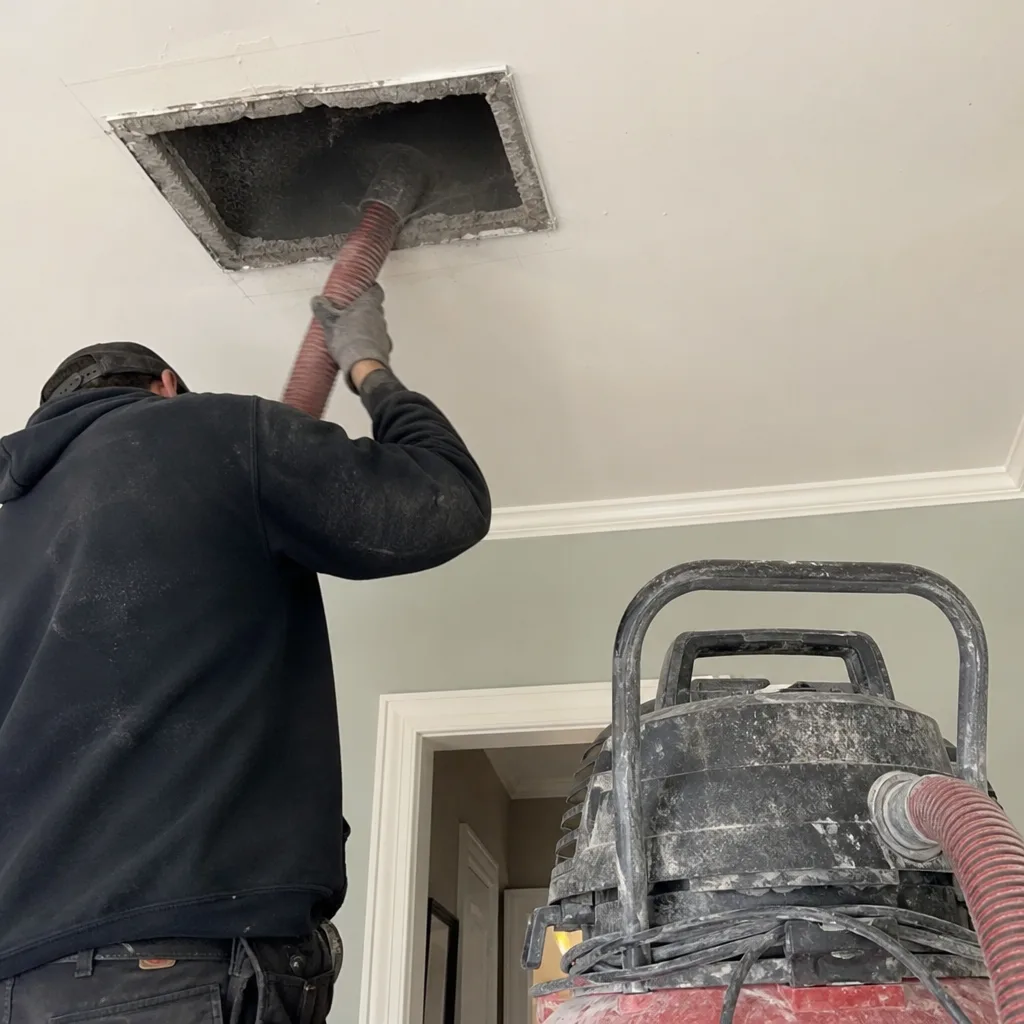 Before
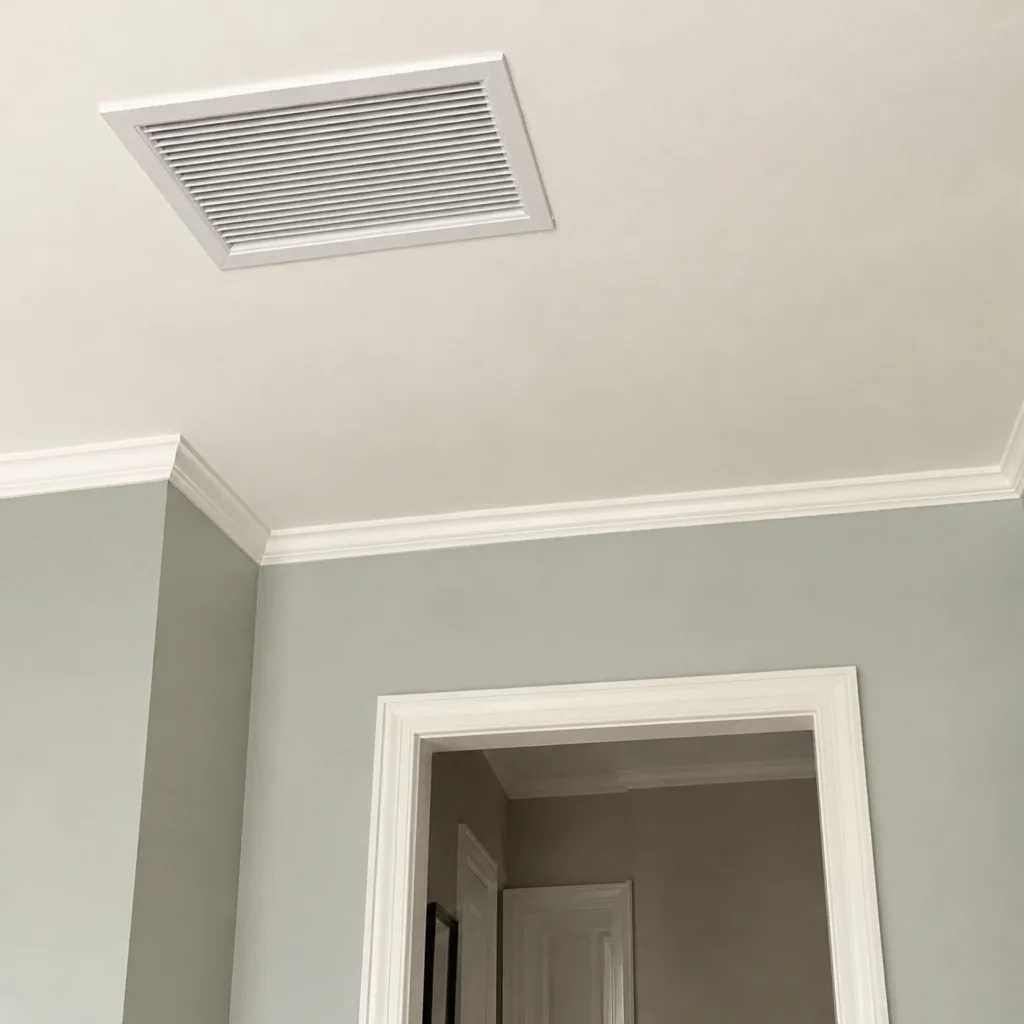 After
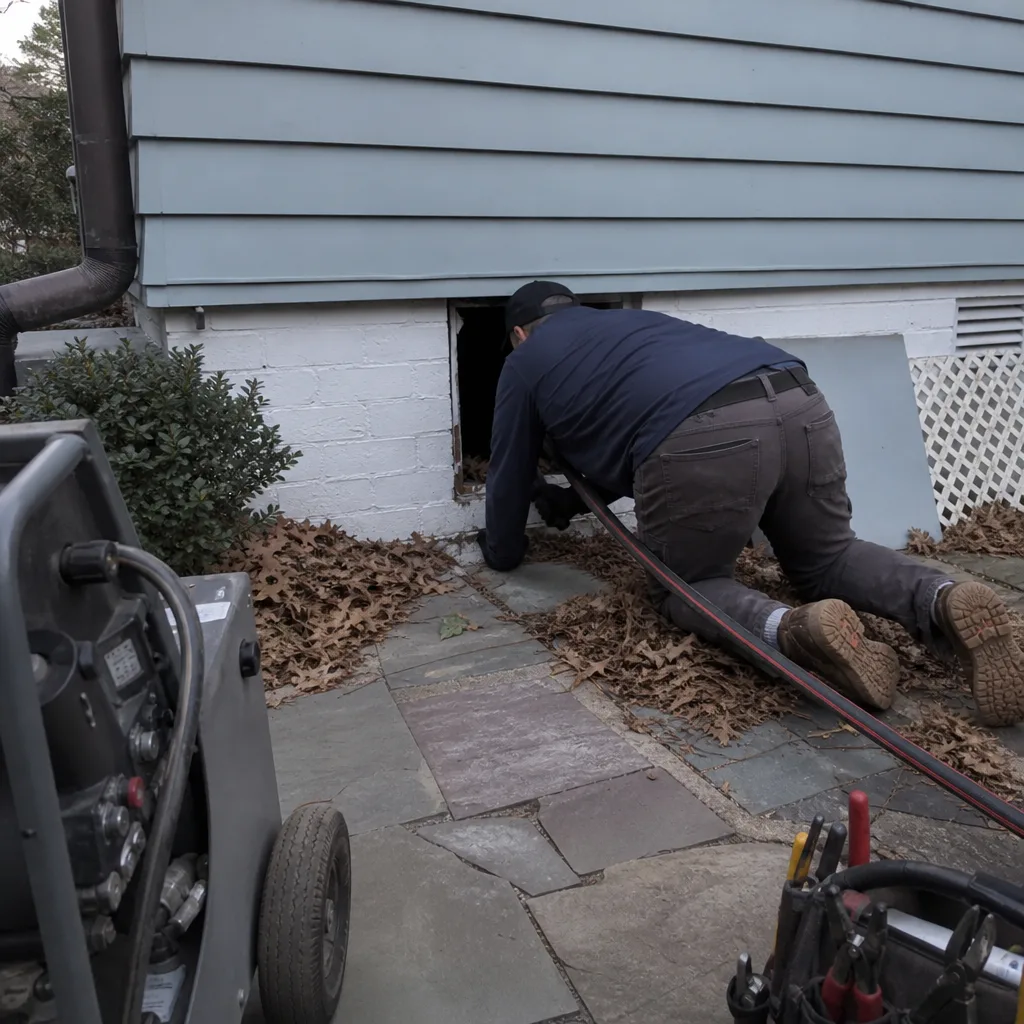 Before
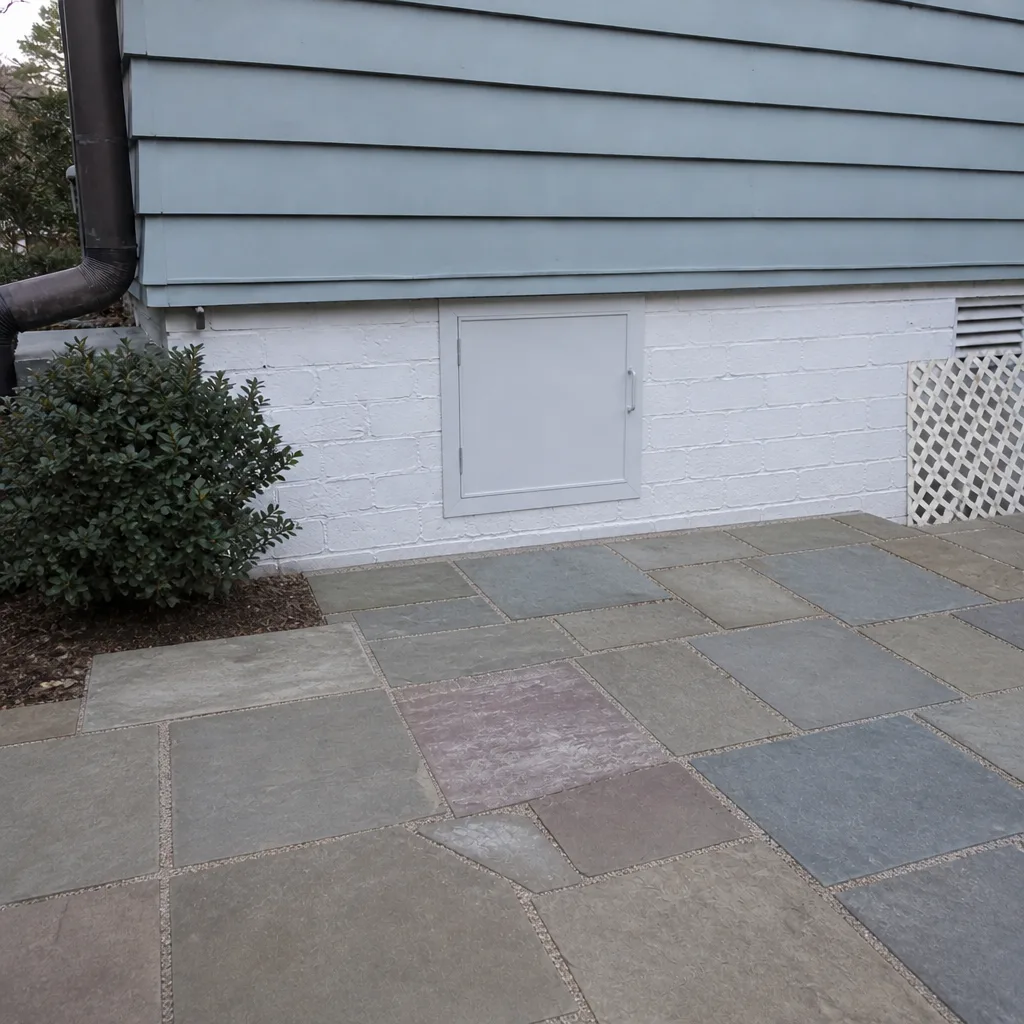 After
 Before
 After