
Last updated November 25, 2026
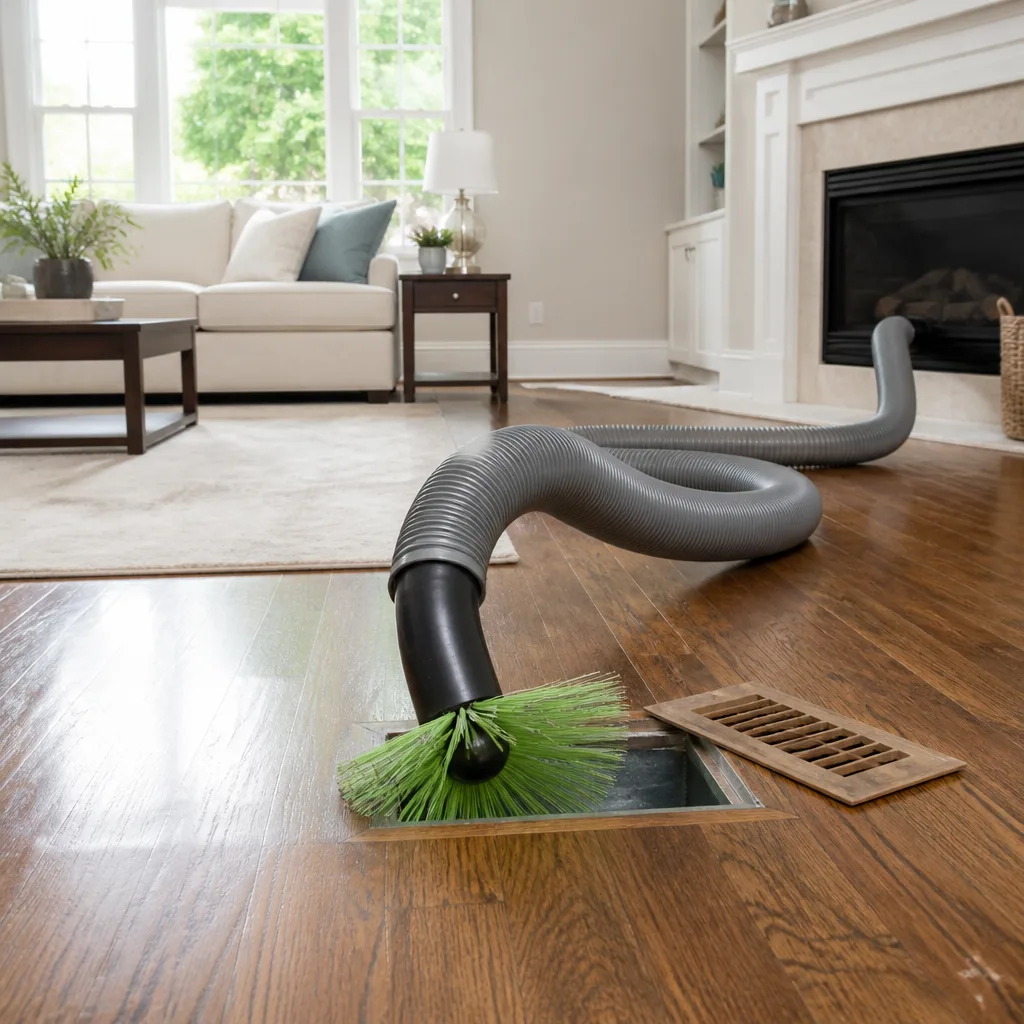 Whole-home duct cleaning
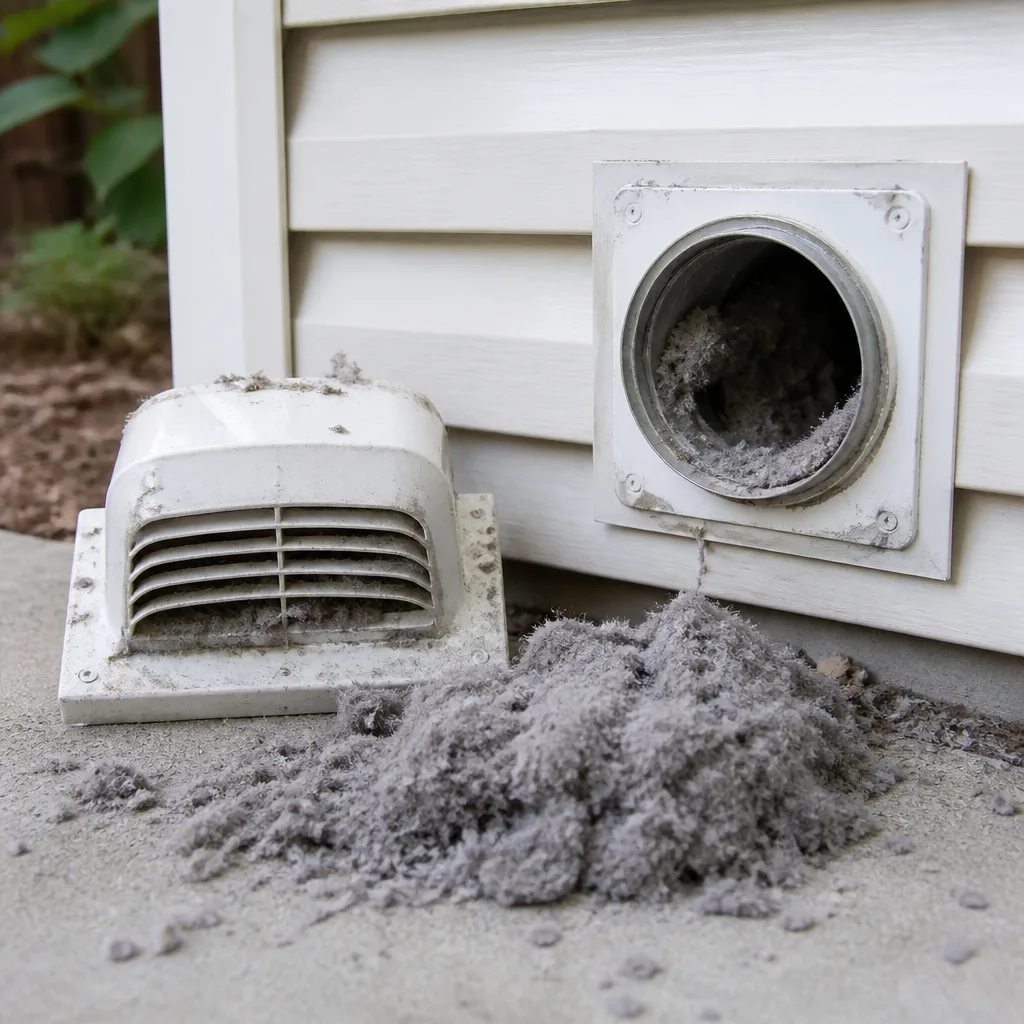 Dryer vent cleaning
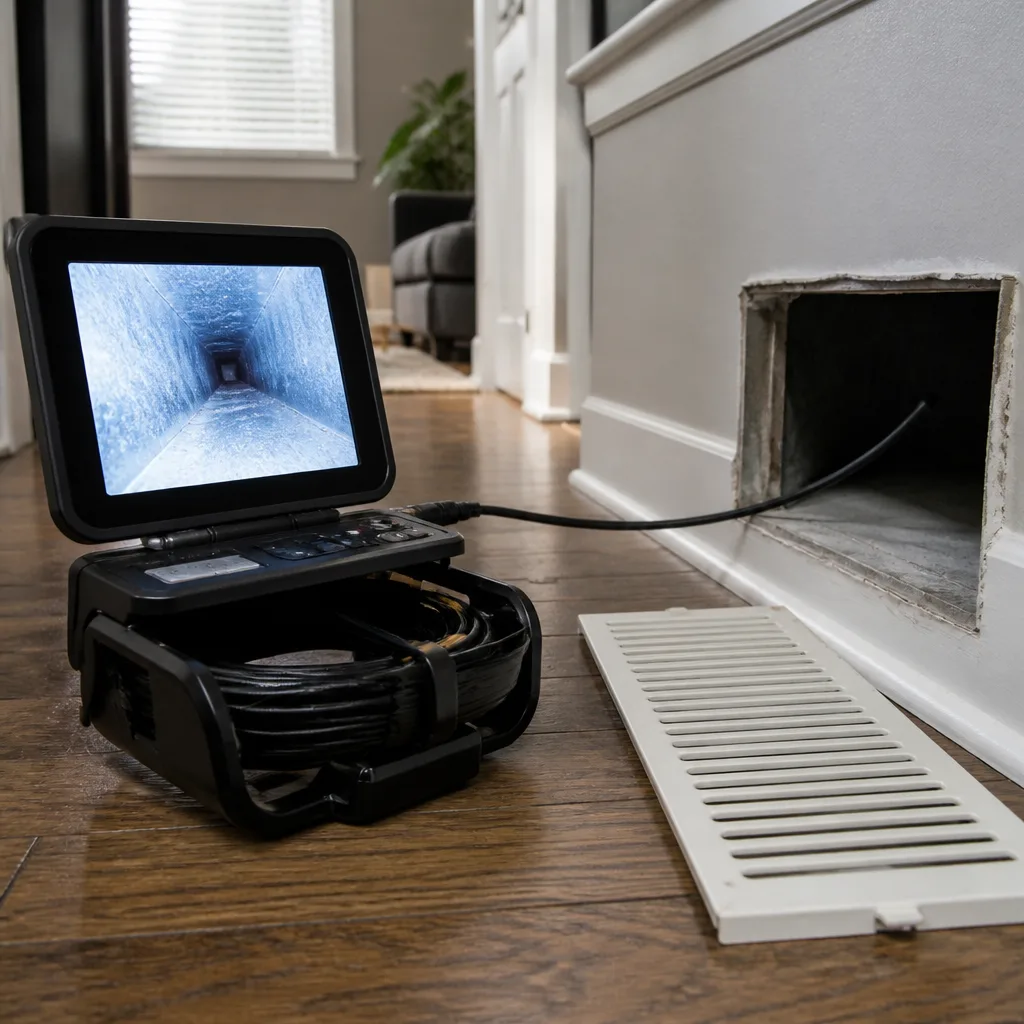 Camera inspection
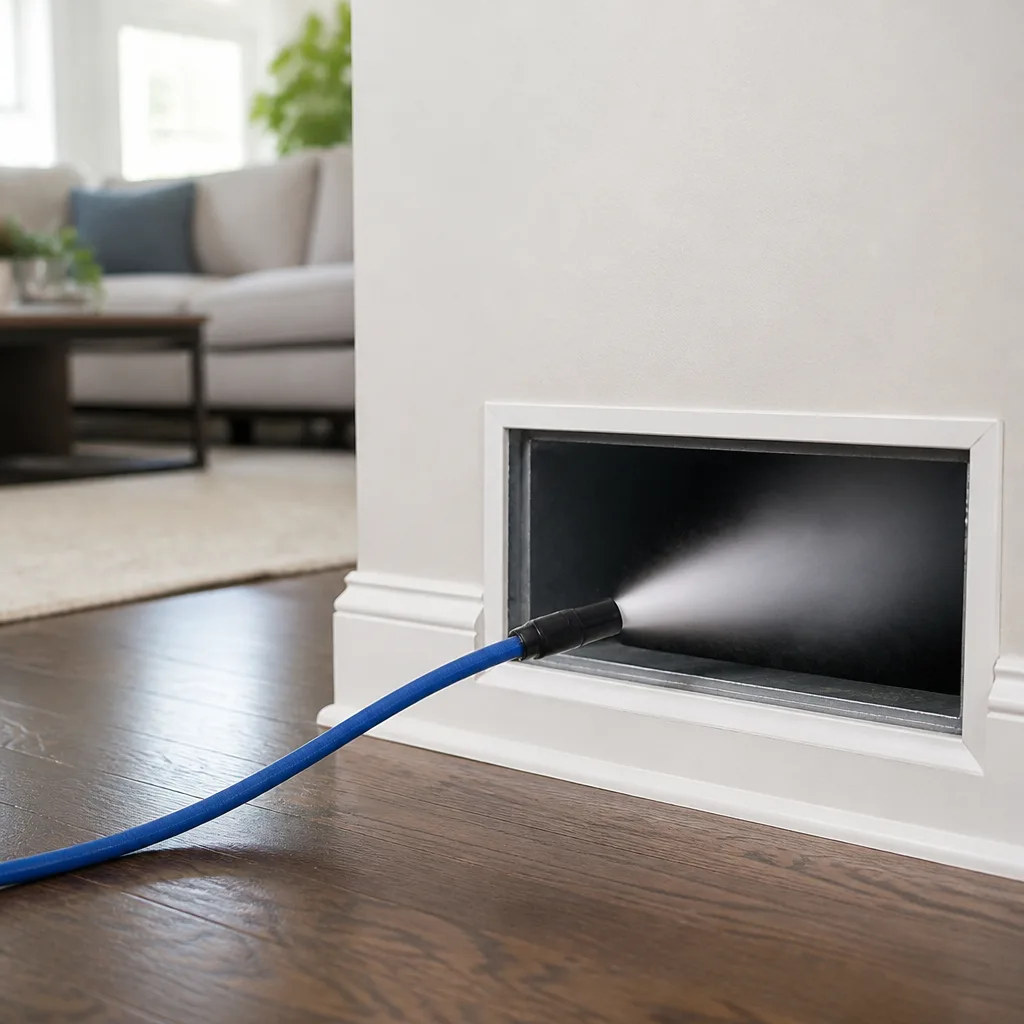 Sanitizing & deodorizing
Whole-system duct and dryer vent check with before-and-after photos - you see exactly what came out of your vents
That "$99 whole-house special" is a bait ad - the real number appears once they are in your hallway, or the "clean" is a shop-vac at the register. We photograph the inside of your ducts before and after instead.
DIY vs Professional Air Duct Cleaning: The Myers Park Homeowner’s Decision Guide
A shop vacuum pulls maybe 100 to 150 cubic feet of air per minute. A contractor-grade duct cleaning system moves 10,000 CFM or more, and that gap is the whole story. It isn’t about whether you’re handy enough to clean your own ducts. It’s about whether the tools in your garage can physically reach and extract what’s sitting in the trunk lines behind your walls, and most of the time they can’t. This guide draws a clean line between what a Myers Park homeowner can honestly handle and what needs purpose-built equipment, so you spend your time on the jobs that actually pay off.
Quick Answer
DIY air duct cleaning is worth doing for the parts you can reach: register covers, return grilles, filter changes, and the lint trap on your dryer vent. Anything past the boot, inside the trunk lines or the plenum, needs negative-pressure extraction with a rotary brush system, and no consumer tool replicates that. For real source removal in a Myers Park home, professional cleaning with equipment like Rotobrush or Nikro is the only method that gets debris out instead of stirring it up.
Styles & brands we work with
- Whole-home duct cleaning
- Dryer vent cleaning
- Camera inspection
- Sanitizing & deodorizing
Table of Contents
- What You Can Legitimately Do Yourself
- The Physics of Why DIY Extraction Falls Short
- How DIY Attempts Damage Ductwork
- Reading a DIY Duct Cleaning Kit Honestly
- The Cost Calculation: When DIY Maintenance Pays
- Filters, Filtration, and Where They Fit
- How Often Ducts Actually Need Professional Cleaning
- A Decision Checklist for Myers Park Homes
What You Can Legitimately Do Yourself
Start with the honest part: there is real maintenance work a Myers Park homeowner should own. We’re not going to pretend every task requires a truck and a crew. The homeowner jobs below are legitimate, they matter, and they extend the interval between professional cleanings when done consistently.
Here’s the list we’d hand a neighbor:
- Register and grille cleaning. Pop the covers off supply registers and return grilles, wash them in warm soapy water, dry them fully, and wipe the visible boot collar with a damp cloth. This removes the dust cake that settles on the face of every grille in a house.
- Filter replacement on a schedule. Check the filter monthly during heating and cooling season. A 1-inch pleated filter in a Myers Park home running a lot of summer AC usually needs changing every 60 to 90 days. A clogged filter is the single biggest driver of dust bypass around the frame.
- Dryer vent lint trap maintenance. Empty the lint screen before every load and pull the trap housing to vacuum behind it a few times a year. That is basic fire-safety housekeeping and nobody should pay for it.
- Accessible plenum inspection. If your air handler sits in a closet or attic with an open panel, look at the plenum and the first stretch of duct for obvious gaps, separated tape, or crushed flex. Note what you see. Don’t reach into it.
- Return-air grille vacuuming. A brush attachment on a household vacuum run across the return grille face pulls loose surface dust before it gets pulled into the system.
That list is real. It keeps dust load down and it protects your equipment. What it doesn’t do is clean the inside of the duct run, and that’s the next section.
The Physics of Why DIY Extraction Falls Short
Duct cleaning works on one principle: source removal under negative pressure. You put the duct system under vacuum so the whole run is pulling air toward one collection point, then you mechanically agitate the debris off the duct walls so the airflow carries it into the collector. Both halves have to happen at once, and both require equipment a homeowner doesn’t own.
The vacuum side first. A consumer shop vacuum generates somewhere around 100 to 150 CFM at the hose, and that number falls off fast as the hose lengthens. A purpose-built system like a Rotobrush or Nikro unit generates the kind of airflow that turns an entire duct run into a suction path, commonly cited in the 10,000 CFM range. Why does the number matter so much? Because a 6-inch trunk line running 30 feet through a Myers Park house has a lot of interior surface area, and the only way to carry dislodged dust out of it is sustained high-volume airflow.
The agitation side matters just as much. Dust doesn’t sit loose in a duct. It bonds to the metal and the flex liner, especially in humid Carolina summers when the system sweats and the dust cakes on. Getting it off takes a rotary brush or a compressed-air whip, driven by a motor, turned at controlled speed. Waving a brush on a 4-foot wand into a register boot does nothing to the trunk line 20 feet away.
- Consumer vacuum: ~100 to 150 CFM, short hose, no collection bag for fine particulate, no agitation tool.
- Contractor system: 10,000+ CFM negative-pressure extraction, rotary brush or whip agitation, HEPA-grade collection.
- The gap: not closable with adapters, reducers, or a longer hose from the hardware store.
That’s the physics. You can’t suction what you can’t reach, and you can’t reach it without the equipment.
How DIY Attempts Damage Ductwork
Here’s the part people don’t hear enough. A botched DIY attempt can leave your system worse than before, and in a Myers Park home with a mix of flex and rigid duct, we’ve seen it repeatedly (in general terms, across many homes, not one specific job). The damage usually falls into a few recognizable patterns.
The most common is a punctured flex duct. Flex duct is a plastic inner liner wrapped in insulation and a jacket. A stiff shop-vac wand shoved into a boot with force, or a brush on a rod pushed past the point where the run turns, tears that inner liner. Once it’s torn, air bypasses the intended path, the run loses pressure, and you get a hot or cold spot in the room. Repair means replacing the section, which means an attic or crawlspace trip and real material cost.
Second is dislodged mastic. Every joint in a rigid duct system is sealed with mastic or foil tape. The seal is the reason the system delivers air where it’s supposed to. Agitating a duct from the inside with an improper tool cracks those seals, and a cracked seal leaks conditioned air into the attic. That’s an energy loss and a comfort loss at once.
Third is disturbed insulation. The exterior of a duct is wrapped in insulation that manages condensation. Poke through it or compress it with a vacuum head and the duct sweats in August, which leads to moisture where you don’t want it. Once insulation is compromised, a professional has to rewrap the run.
The safety point, plainly: if you’re considering reaching past a register boot with any tool, stop. The inside of a duct system is a confined space with fast-moving air and no lighting, and the risk of a tear or a seal break is higher than the reward.
Reading a DIY Duct Cleaning Kit Honestly
Search “DIY duct cleaning kit” and you’ll find a range of products. Some are legitimate accessories for the tasks above. Some are a hose, a brush, and a promise. The question to ask about any kit is simple: does this tool carry debris out of the duct, or does it just move it around?
Here’s how to tell the difference before you buy:
- Does it connect to a real negative-pressure source? A kit that fits onto a household vacuum is limited by that vacuum’s CFM. A kit that doesn’t address extraction at all is a spreading tool.
- Does it include agitation that reaches the trunk line? A brush on a hand wand cleans the boot. A rotary system that can feed 20 plus feet into a run is a different class of tool.
- Where does the dust go? Any honest system has a collection bag or canister rated for fine particulate. If the kit just exhausts back into the room, you’re redistributing dust onto your furniture and into your lungs.
- Are the claims specific? “Professional results” is not a specification. A real tool names its airflow, its brush type, its containment method.
Most online kits land in one of two categories: legitimate register-cleaning accessories (fine, useful) or gimmicks that push loose dust a few feet down the duct. Neither one replaces source removal. When we talk about air duct cleaning, we mean the second thing: extraction under negative pressure with equipment from Rotobrush and Nikro, not a wand and a hope.
The Cost Calculation: When DIY Maintenance Pays
This is where the decision actually gets made. Professional duct cleaning in Myers Park typically runs in the range of a few hundred to well over a thousand dollars, depending on the size of the home, the number of runs, and the condition of the system. A booked job is real money, and the right question is whether your own maintenance routine can extend the interval enough to justify the time.
It can, when the routine is consistent and the home is in reasonable condition. Here’s the honest math:
- If you change filters on schedule, clean registers twice a year, and haven’t had a renovation or a water event: your duct system stays cleaner longer. Professional cleaning on a longer interval makes sense, and that interval is a judgment call, not a rule.
- If you skip the routine: dust load climbs faster, filters clog faster, and the system reaches a state where a professional cleaning is no longer optional. DIY didn’t save money. It just deferred the invoice.
- If there’s been a renovation, a new-home purchase, or years without service: drywall dust and construction debris settle into ductwork and stay there. That’s not a maintenance job. That’s a cleaning job, and it needs the equipment.
The calculation is real: a homeowner who maintains the accessible parts consistently is a reasonable candidate for a longer cleaning interval. A homeowner who doesn’t becomes a customer sooner. That’s the honest version of the DIY cost argument, and it cuts both ways.
One thing we’d add: if you’re calling around for quotes in Myers Park, ask what equipment will come into your home and what the price is for the whole system, not per vent. A whole-system range with a written estimate in hand beats a low teaser number that grows on site. That’s the standard we hold ourselves to, and the one we’d ask any company to meet.
Filters, Filtration, and Where They Fit
Filters are the piece of the system homeowners control most directly, and improving filtration is one of the few upgrades where DIY and professional work together. A better filter captures more of what’s circulating. A cleaner duct system lets that filter last longer and do its job. Skip either half and the other performs worse.
In a Myers Park home, the practical moves are:
- Match filter MERV to your equipment’s rating, not above it. A filter that’s too restrictive strains the blower and reduces airflow.
- Check monthly and replace on condition, not on the calendar alone. A home with pets or a lot of pollen load in spring needs more frequent changes.
- Consider a whole-home media filter or a pleated filter cabinet if the equipment supports it. We work with Honeywell and Aprilaire filtration products because they’re designed for the airflow the system needs, not bolted on afterward.
- Don’t stack filters. One filter at the return is the design. A second filter in the same housing reduces airflow and doesn’t clean anything extra.
Filtration upgrades make the most difference when the ducts feeding the filter are clean. That’s why we frame the work as one system: clean the ducts, seal the leaks, upgrade the filter, and the whole air path performs differently. If your system hasn’t been serviced in years, HVAC cleaning covers the coil, the blower, and the components the duct cleaning doesn’t reach.
How Often Ducts Actually Need Professional Cleaning
There’s no universal schedule. Duct cleaning is driven by conditions, not by a calendar, and any company that quotes a fixed interval without asking about your home is guessing. The conditions that push a Myers Park home toward a professional cleaning sooner are specific and worth knowing.
Consider a professional cleaning when:
- You’ve had a renovation. Drywall dust, sawdust, and construction debris settle into ductwork and stay there for years. This is the most common reason we’re called.
- You’ve bought a new home and don’t know its history. A previous owner’s maintenance habits are invisible. A cleaning establishes a baseline.
- Someone in the household has allergies or asthma. Reduced dust load in the ducts reduces what circulates in the living space. That’s the whole point for these households.
- You’re seeing visible dust at the registers shortly after cleaning them. If the grilles cake up again in weeks, the source is upstream.
- The system hasn’t been serviced in many years. A long interval compounds. What starts as maintenance becomes remediation.
- You notice musty or stale odors when the system runs. That points to moisture or biological growth in the air path, and it deserves a look with the right equipment, including Abatement Technologies gear when contamination is elevated.
When a cleaning is warranted, ours runs a defined process: negative-pressure extraction with Rotobrush and Nikro systems, then a sanitizing step using Guardsman products with contact time, then a documented before-and-after record so you can see what changed. That’s the standard for a real cleaning versus a dusting.
One note on the connected system: if the ducts get cleaned, the dryer vent deserves the same attention. dryer vent cleaning is a separate service for a reason. A restricted dryer vent is a fire risk, and it’s a maintenance item a homeowner can only reach so far into before it needs a professional tool.
A Decision Checklist for Myers Park Homes
Here’s the short version, in one place, so you can decide in a couple of minutes. Work down the list and stop at the first item that applies to your home.
- Have you had a renovation, a new purchase, or years without service? Book a professional cleaning. DIY can’t reach the trunk lines.
- Is anyone in the home sensitive to dust? Book a professional cleaning and pair it with a filter upgrade.
- Are registers re-caking within weeks of cleaning? The source is upstream. Book.
- Is the system in good shape and maintained consistently? Keep doing the homeowner tasks. Extend your interval and re-evaluate at the next change of season.
- Is the dryer taking longer to dry? That’s a vent restriction. Book a vent cleaning.
That’s the whole decision. It’s not a question of capability. It’s a question of access, physics, and what’s worth your Saturday morning versus what’s worth a professional call.
Common Mistakes to Avoid
- Shoving a shop-vac wand into a register boot. The wand is stiff, the boot turns fast, and the flex liner tears. That repair costs more than the cleaning you were trying to skip.
- Buying a “DIY duct cleaning kit” without checking what it extracts. Many kits move dust rather than removing it, and you end up with the debris redistributed into the living space.
- Skipping filter changes during humid Carolina summers. The system sweats, the dust cakes, and the filter clogs faster than the calendar suggests. Check monthly in summer.
- Cleaning registers but not the returns. Return grilles carry the heaviest dust load because they pull air back in. They’re the ones you should be washing most often.
- Assuming an online quote is a whole-system quote. Ask whether the price covers the entire system or just the main trunk. Per-vent pricing is how low teasers become big invoices.
- Ignoring the dryer vent because the ducts are the priority. A restricted dryer vent is a fire risk, and it’s the easiest professional service to forget.
- Using a household vacuum to clean the plenum with the system running. The system fights the vacuum and the debris goes everywhere. Turn the air handler off, or better, leave that part to the professionals.
See the difference
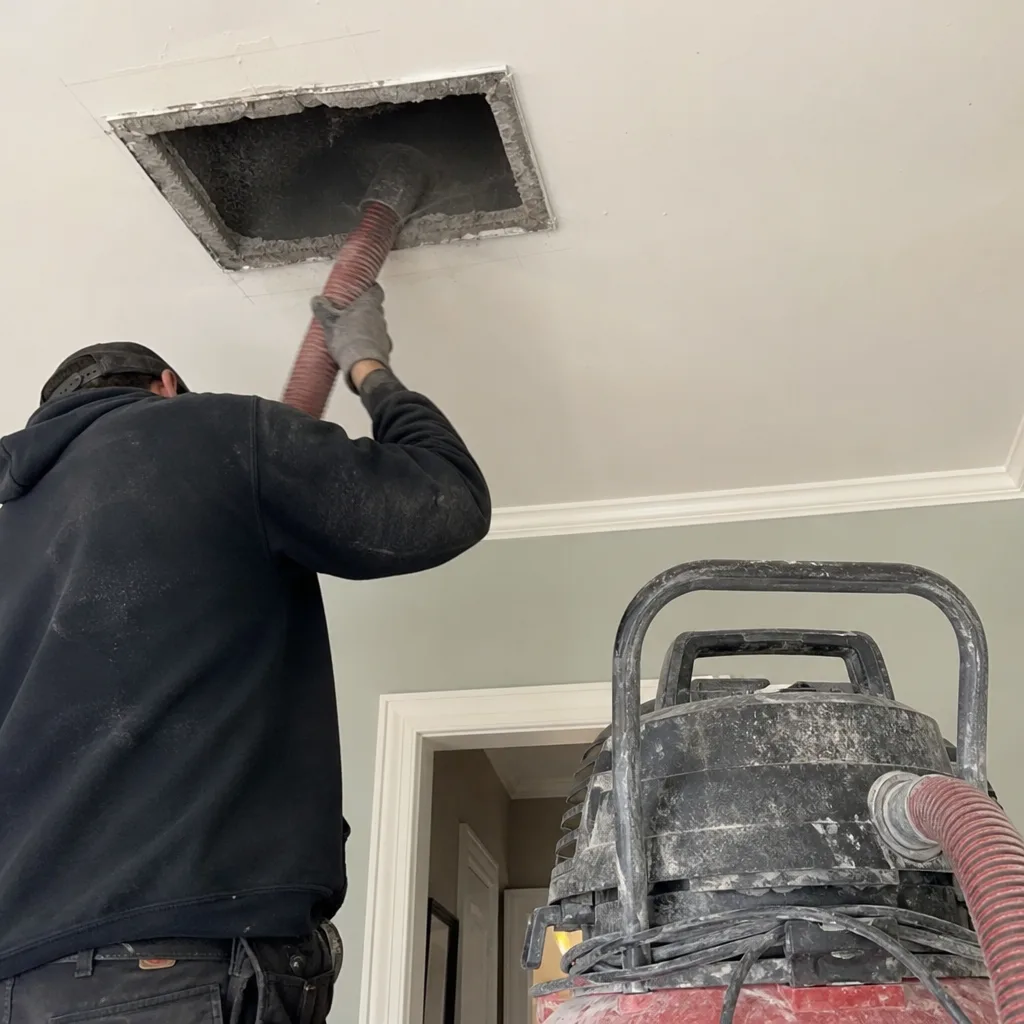 Before
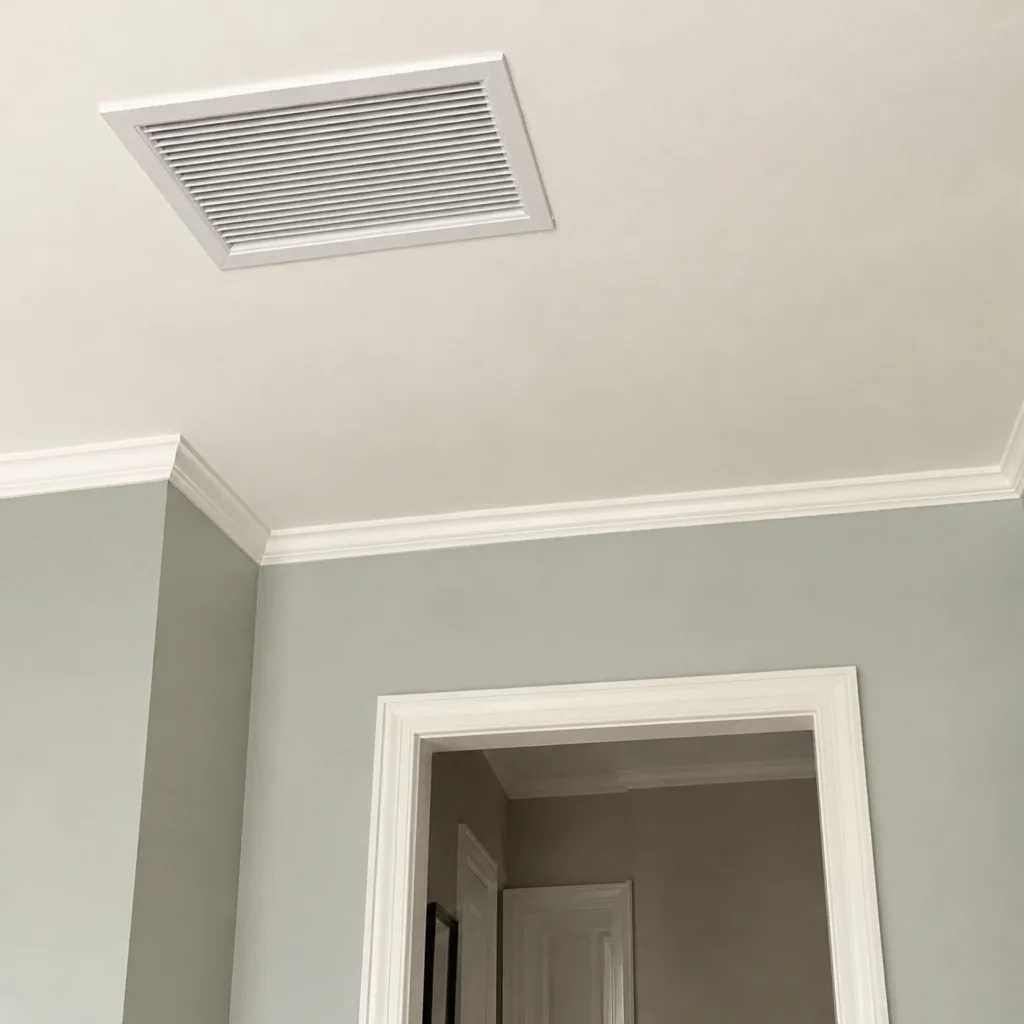 After
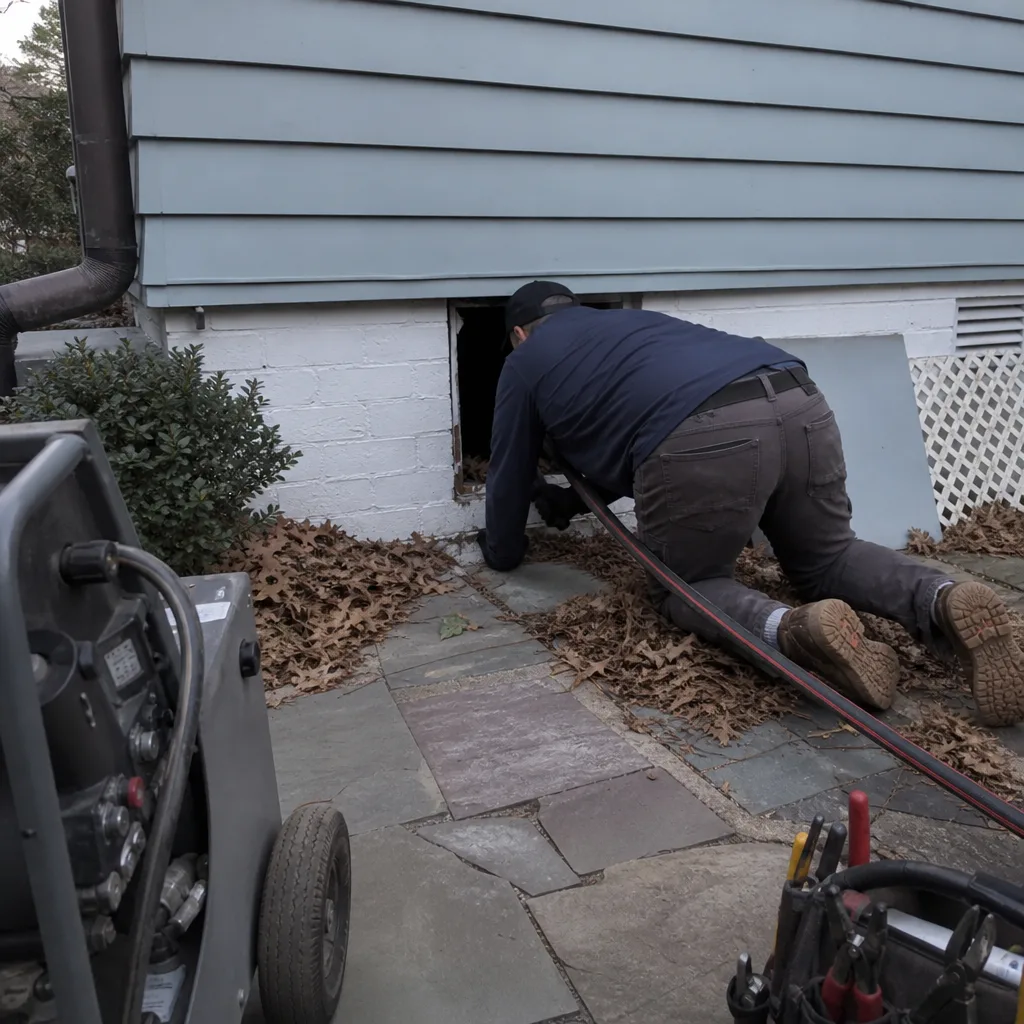 Before
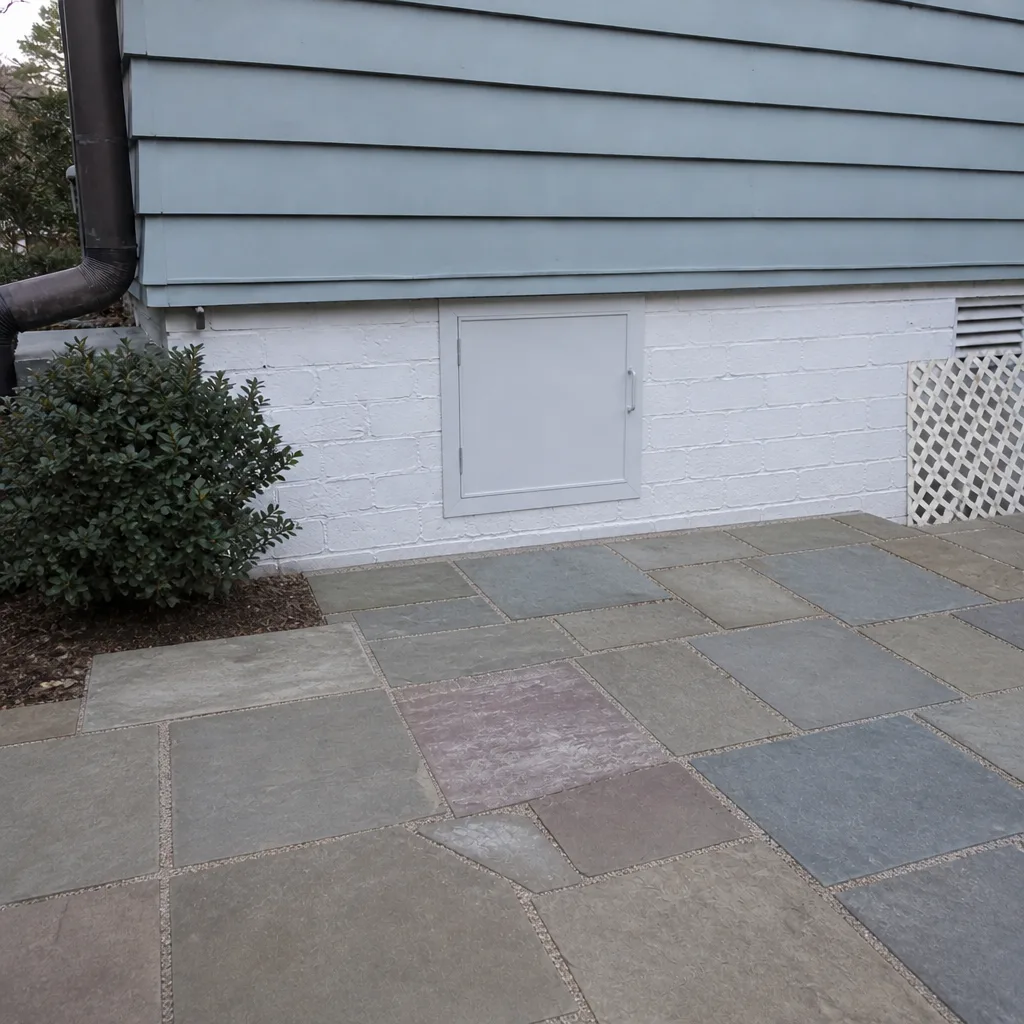 After
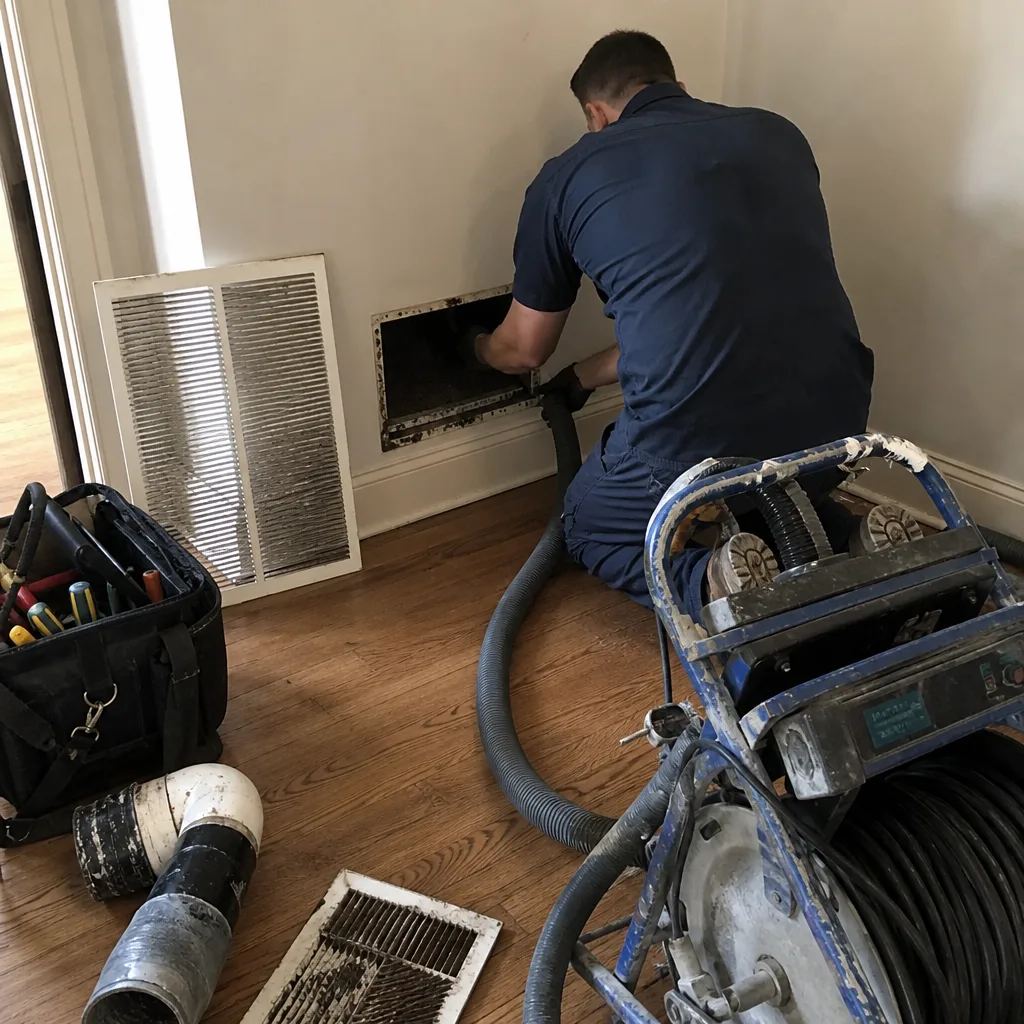 Before
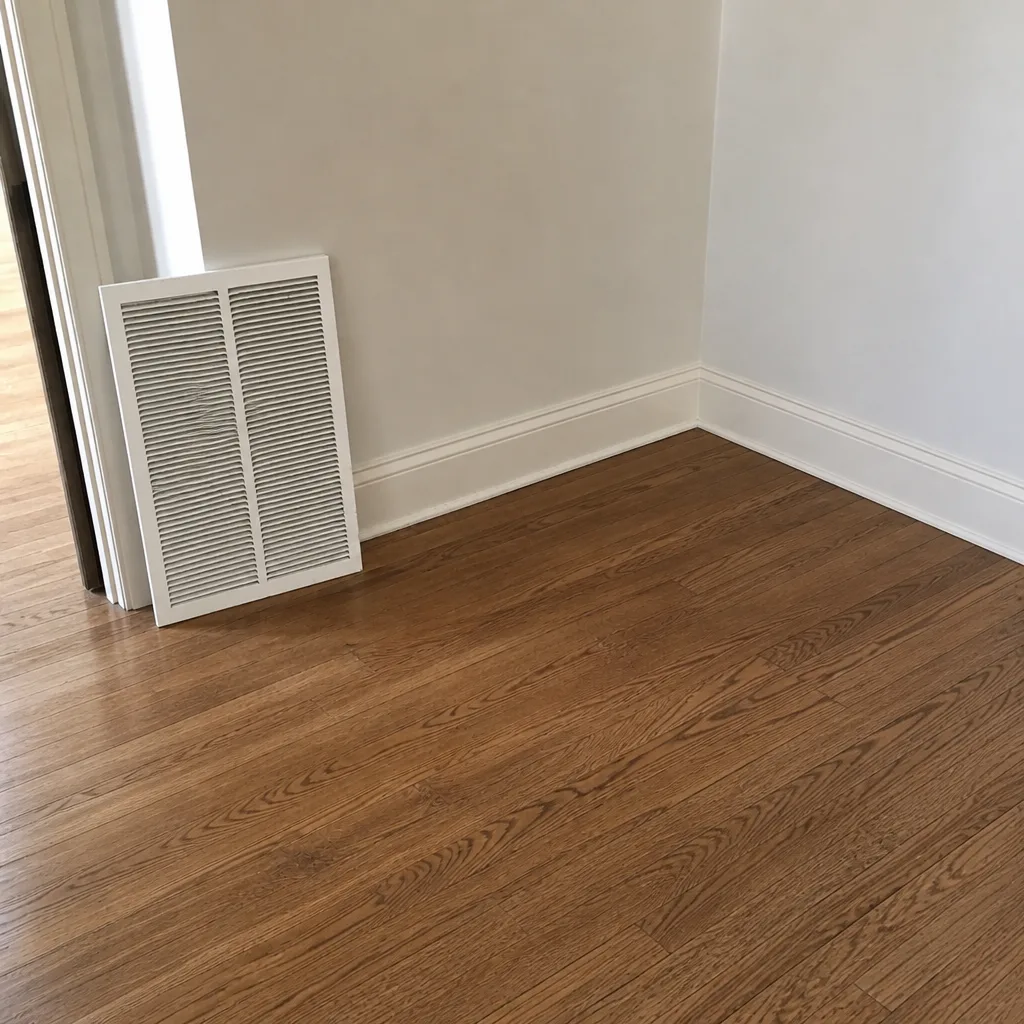 After
When to Call a Professional
If your home has had a renovation in the last few years, if you’ve just bought and don’t know the history, if someone in the household has allergy or asthma concerns, or if the registers re-cake within weeks, that’s your signal. Air Duct Cleaning Myers Park offers free estimates in Myers Park with a single flat price per system agreed before work starts, and before-and-after photos of the work. Call (877) 792-5816. We answer 24/7. Fast dispatch from 7am to 7pm, Sunday through Friday. The estimate is free and the written price is what you pay.
Frequently Asked Questions
You can clean the register covers, grilles, filter, and lint trap yourself, and you should. You can’t clean the trunk lines or the plenum without a negative-pressure extraction system and rotary agitation tools, and no consumer vacuum replicates that. The accessible parts are a homeowner job; the interior of the duct run is a professional job.
Typical Myers Park duct cleaning runs somewhere between a few hundred dollars and well over a thousand, depending on system size, number of runs, and condition. The written estimate sets the final price, and every job is quoted in full before work starts, so there’s no per-vent surprise on the invoice. Call (877) 792-5816 for a free estimate and a whole-system price.
Usually because they’re not the same job. A low quote often means a shop-vac and a wand, no negative-pressure extraction, no containment, and a price that grows once the technician arrives. A fair quote covers a whole-system cleaning with real equipment. Ask what tools will come into the home and what the full price is before you book.
Most kits clean the surface of the register and maybe the first few feet of the boot. They don’t generate enough airflow to carry dust out of the trunk line, and many don’t include containment, which means the dust ends up back in the room. Before you buy, ask where the debris goes.
There’s no fixed schedule. A well-maintained home with no renovation and no sensitivity issues might go years between cleanings. A home that’s been renovated, purchased recently, or lived in for years without service needs it sooner. Condition drives the timing, not the calendar. Call (877) 792-5816 for a free estimate and a straight answer about your system.
Ask for before-and-after photos of your own ducts and a written summary of what was cleaned. A real cleaning leaves a record: the equipment used, the sanitizing step and contact time, and the condition of the system before and after. That’s the accountability standard, and any company should meet it.
The Bottom Line
The DIY versus professional question isn’t about competence. It’s about access and equipment. You can legitimately own the register cleaning, the filter schedule, and the dryer lint trap, and doing so extends the interval between professional cleanings. What you can’t own is source removal inside the trunk lines, because it needs 10,000 CFM of negative pressure and a rotary brush, not a shop vacuum and a wand. In a Myers Park home, the honest split is: do the accessible maintenance, and call a professional for the interior of the system. That’s where the real cleaning lives. Call (877) 792-5816 for a free estimate with a whole-system price agreed before work starts.
Written by the team at Air Duct Cleaning Myers Park.