
Last updated November 25, 2026
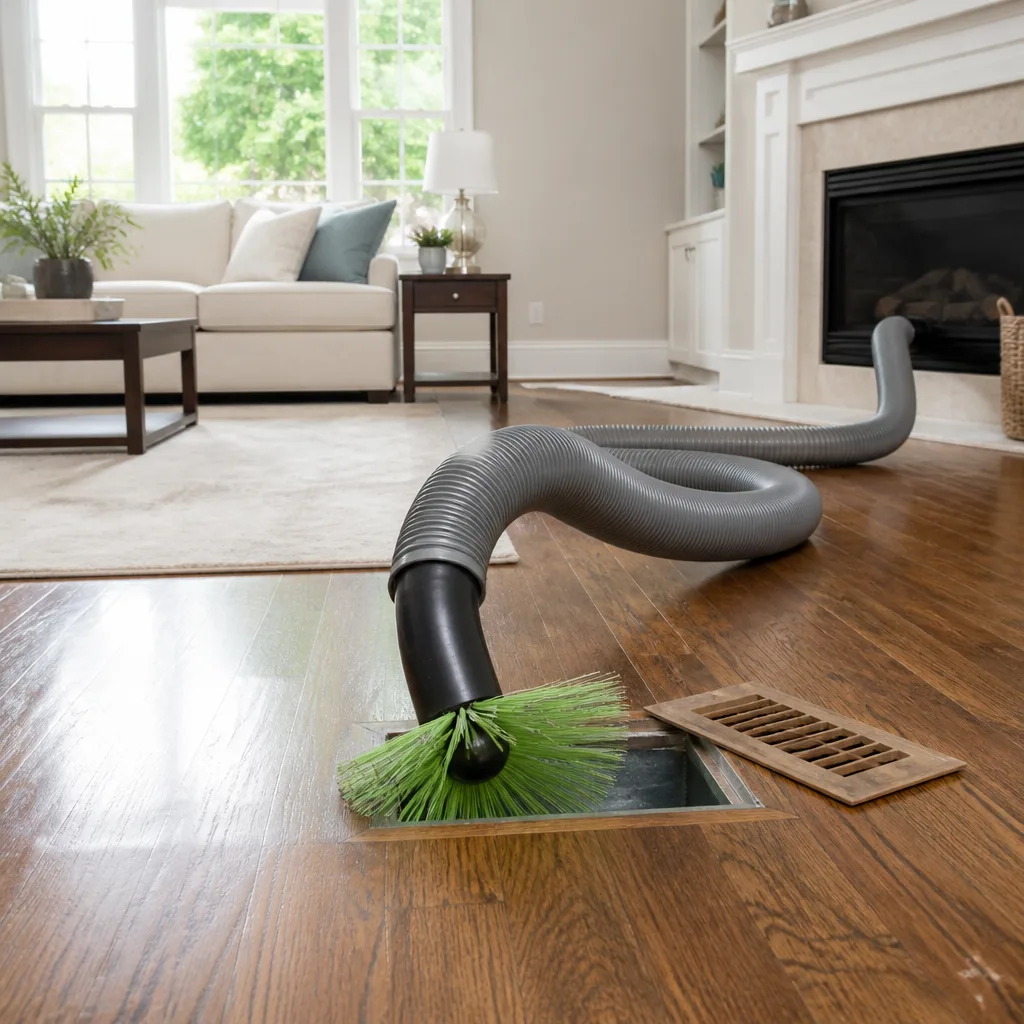 Whole-home duct cleaning
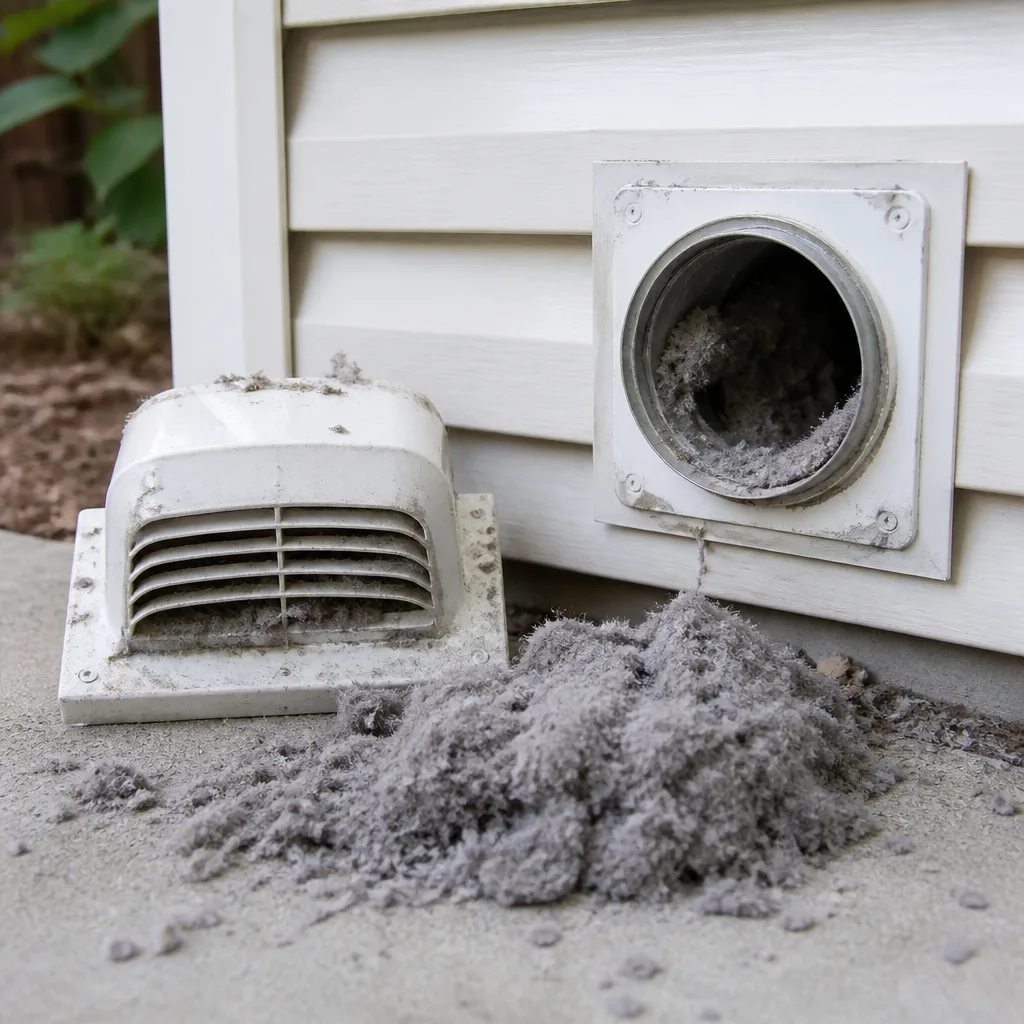 Dryer vent cleaning
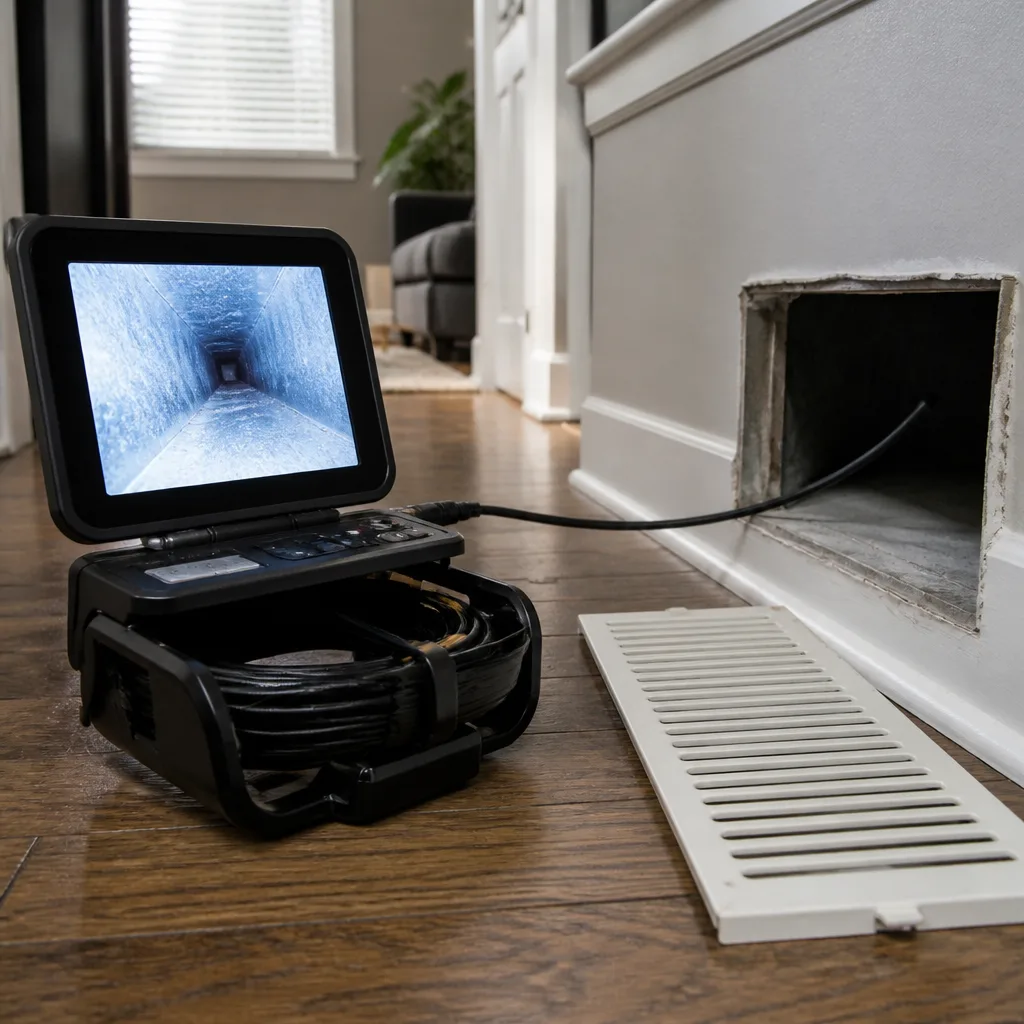 Camera inspection
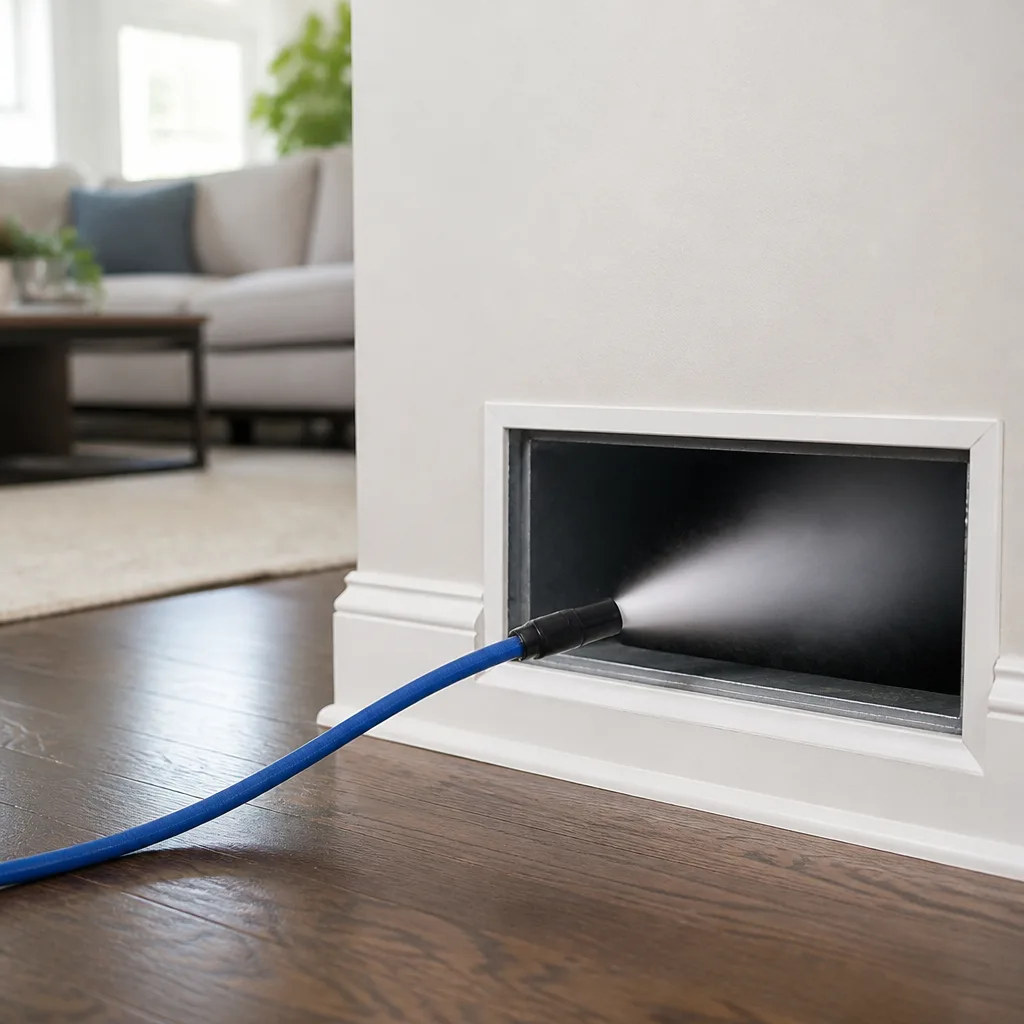 Sanitizing & deodorizing
Whole-system duct and dryer vent check with before-and-after photos - you see exactly what came out of your vents
That "$99 whole-house special" is a bait ad - the real number appears once they are in your hallway, or the "clean" is a shop-vac at the register. We photograph the inside of your ducts before and after instead.
Seasonal Air Duct Cleaning Care for Myers Park: Year-Round Homeowner’s Guide
Most homeowners treat duct cleaning as a single checkbox – pick a month, book it, forget it for a few years. That approach misses how a Myers Park home actually lives through a year. Charlotte’s climate throws four separate loads at your ductwork: a heavy spring pollen season, a long humid summer, a fall leaf-and-mold cycle, and a winter heating startup that redistributes everything the other three left behind. A cleaning dated by convenience collects some of that and skips the rest. This guide maps specific maintenance actions to the real seasonal calendar a Myers Park house experiences, so each one lands when it does the most good.
Quick Answer
Pair one full air duct cleaning with the season that hits your home hardest – usually late spring after pollen drops in Myers Park – then follow a 12-month inspection-and-filter calendar around it. The highest-value single window is May into early June, right after the pollen peak, because that is when the largest load has already entered the system and can still be removed before summer humidity sets it in place. Fall HVAC startup and mid-winter heating checks handle the rest.
Styles & brands we work with
- Whole-home duct cleaning
- Dryer vent cleaning
- Camera inspection
- Sanitizing & deodorizing
Table of Contents
- Why a Single Cleaning Date Fails a Myers Park Home
- Spring: The Post-Pollen Window Is the Highest-Value Cleaning of the Year
- Summer: Watching for Moisture and Early Mold Indicators
- Fall: HVAC Startup and the First Heating-Cycle Distribution
- Winter: Dust Desiccation and When a Mid-Season Inspection Makes Sense
- Building a 12-Month Task Calendar With Real Dates
- What a Seasonal Inspection Actually Checks
- Common Mistakes to Avoid
- When to Call a Professional
- Frequently Asked Questions
Why a Single Cleaning Date Fails a Myers Park Home
Ductwork in a Myers Park house is a settling chamber, not a sealed pipe. Every hour the blower runs, air carrying pollen, dust, leaf fragments and skin cells passes through the same channels, and the heavier fraction drops out of the airstream and collects on the duct floor and at the joints. The load builds differently month to month because the source changes. In April and May the dominant material is tree and grass pollen. In July and August it’s humidity-driven dust that clings and cakes. In October it’s leaf mold and the first wave of debris knocked loose when the furnace cycles on. In January it’s dry, finely broken dust that rides the warm air and re-circulates into the living space.
A cleaning scheduled once, whenever a homeowner happened to think of it, removes whatever is sitting there that month. It doesn’t account for the season that follows. That’s why we frame the work around the Myers Park calendar rather than a fixed reminder. The goal isn’t more cleanings – it’s putting the one deep cleaning where the load is heaviest, then using smaller seasonal checks to keep the system from carrying forward what the next season will add.
There’s a second reason the calendar matters here. Myers Park’s housing stock includes a lot of older homes with original or partially retrofitted duct runs, and those runs have more joints, more transitions and more places for material to lodge than a modern sealed system. A home like that benefits from a known baseline – one documented cleaning, then seasonal comparisons against it – more than from a generic annual shrug. If you haven’t established that baseline yet, a proper Air Duct Cleaning Myers Park visit is the place to start, because every seasonal decision after it is judged against what the ducts looked like on day one.
What this guide won’t do is tell you to clean constantly. It will tell you when each action earns its place on the calendar and when it’s busywork.
Spring: The Post-Pollen Window Is the Highest-Value Cleaning of the Year
If you clean once, clean in late May or the first week of June. That single sentence is the core of this guide.
Charlotte’s spring pollen season is intense, and Myers Park sits under mature tree canopy – oaks, pines, elms, and the heavy grass pollen that follows the trees. For six to eight weeks, every return-air draw pulls that material into the system. By the time the season ends, the ducts, the blower housing and the evaporator coil have all collected a visible film. Waiting until fall means that film has sat through a humid summer, and humid summers are what turn a dust film into something with biological activity.
Why post-season beats during-season:
- Peak load has landed. Cleaning in April catches early pollen but leaves May and June to refill the system. Cleaning right after the drop captures the whole season in one pass.
- Before humidity sets it. Material that’s still loose is far easier to extract than material that has absorbed summer moisture and adhered to duct walls.
- Cooling season ahead. A clean system entering June means the air conditioner isn’t pushing pollen-laden air through a coil that will stay damp for months.
What the post-cleaning filter upgrade should look like depends on your system, not on a single number. The right call is a filter that matches your blower’s static-pressure capability – a filter too restrictive for a residential blower starves airflow and shortens equipment life. In our experience, a properly specified Honeywell or Aprilaire filtration setup is worth the conversation at this moment, because you’re starting from a clean baseline and can measure the change. We use Rotobrush and Nikro equipment for the extraction itself, then evaluate the filtration side of the air pathway as part of the same visit.
Spring is also the season to check your return registers. If they’re pulling more pollen than they should because a filter has been sitting too long, the cleaning gains are lost in a few weeks.
Summer: Watching for Moisture and Early Mold Indicators
Charlotte’s summer humidity is the real test of a duct system, and it’s the season where the smallest early signal matters most.
An air conditioner removes moisture from the air as it cools it, and the condensate has to leave the system cleanly. When drainage is slow, or a coil stays wet longer than it should, or an unconditioned duct run in a hot attic collects condensation on its exterior, you’ve created the condition duct material needs to start growing biologicals. That’s not a hypothetical in a Myers Park summer. It’s the ordinary result of a long humid stretch combined with any airflow problem.
Here’s what to check monthly through June, July and August:
- Smell the first air at startup. A musty or earthy note in the first two minutes of cooling is the earliest indicator and it’s easy to dismiss. Note it.
- Look for water where it shouldn’t be. Condensation lines, drain pans, and the duct surfaces nearest the air handler. Any standing water or persistent dampness is a flag.
- Watch for dark speckling on register faces or duct interiors visible at the grille. Discoloration that reappears after cleaning is a signal, not a cosmetic issue.
- Track whether the house feels clammy even when the thermostat is satisfied. Short-cycling or a long run time can leave the home humid, and that humidity loads the ducts.
We don’t treat this as a cleaning problem alone, and neither should you. If you find moisture or an early mold indicator, the job is to solve the moisture source – drainage, insulation, airflow – before it matters how clean the duct is. This is one place where Abatement Technologies equipment earns its place on a job: elevated contamination scenarios need proper containment and extraction, not a shop-vac. If you’re seeing these signals and want an honest assessment, plan a call; a proper air duct cleaning inspection in Myers Park will tell you whether the ducts are the problem or the moisture is.
Fall: HVAC Startup and the First Heating-Cycle Distribution
The first cold snap is the moment your HVAC system does something it hasn’t done in months: it distributes a full season’s accumulated material through the entire house at once.
Here’s the mechanism. Through spring and summer, debris collects on horizontals and settles at the low points of duct runs. The air conditioning circulates air, but the heating cycle pushes warmer, drier, faster-moving air through the same channels, and warmer air carries a different fraction of material – dry dust and light biologicals that had been settled. That first heat cycle moves it into the living space. If you’ve ever noticed a distinctive smell or a haze of dust the first time the heat ran in October, this is why.
The practical move is a startup sequence, not a cleaning:
- Before the first heat cycle, replace the filter and check that the return grilles are clear.
- Run the heat for a short period and observe. Look and smell for a prominent dust plume or an odor at the registers.
- If the system had a spring cleaning and a good summer, the startup will be minor. If it wasn’t cleaned in spring, or the system had moisture trouble in summer, the startup is when you’ll know.
- Book the inspection if the startup produces a clear dust event or an odor that doesn’t clear. That’s the fall inspection call, and it’s cheap insurance against carrying a problem into winter.
Fall is also a good time to look at duct repair and sealing, because sealing has to happen before winter’s dry-air circulation pushes conditioned air into places it shouldn’t go. If gaskets, joints or flex connections have loosened over the season, fall is the moment to pressure-test and correct them. That work is part of our HVAC cleaning and duct sealing services, and it’s worth doing while the system is out of its heaviest operating months.
Winter: Dust Desiccation and When a Mid-Season Inspection Makes Sense
Winter changes the character of what’s in your ducts, not just the amount.
Heated indoor air in a Myers Park home in January holds far less moisture than the summer air did. That dry air desiccates settled material – organic dust, skin cells, lint, spider webbing – until it’s brittle and light enough to be lifted by ordinary air movement. You can feel this as dry throat and static when the heat runs constantly. What you’re seeing in the air is often material that used to be sitting on a duct floor. Heating cycles redistribute it more effectively than cooling cycles because warm air rises and dry dust travels.
That’s why a mid-winter inspection is worth considering if you notice any of these:
- Dust returning to surfaces within days of cleaning, faster than in other seasons.
- A noticeable increase in static or dryness beyond what the weather explains.
- The filter loading faster than expected – an indicator the system is circulating more material than it should.
- A change in smell on the first minutes of a heating cycle after the system has been running for weeks.
- Any sign of a poorly sealed or disconnected duct run, since winter air pressure differences make leaks more consequential.
A mid-winter inspection is not a full cleaning by default. It’s a look at whether the fall startup was clean and whether anything changed. If you’ve been consistent through spring, summer and fall, the winter visit is short and confirmatory. If you skipped spring, winter is when the accumulated material re-circulates – and the call belongs on the calendar.
One thing we don’t recommend is altering the cleaning schedule based on how the house feels in winter alone. Dry, dusty air can also be a humidification issue rather than a duct issue, and a good inspection distinguishes the two before anyone books extraction work.
Building a 12-Month Task Calendar With Real Dates
Here’s the structure we’d put on a Myers Park homeowner’s calendar. These are windows, not single days – the point is that the action happens within a named stretch of weeks, not “in spring.”
Numbered 12-month plan:
- Late February (third or fourth week): Replace the filter before pollen starts. Check return registers for clearance.
- Early March (first two weeks): If it’s been more than a few years since cleaning, book the spring cleaning in this window so it can happen right after pollen. Confirm equipment and process in advance.
- Late March through mid-May: Pollen peak. Replace the filter at the midpoint and again at the end. Note any unusual smell.
- Late May to first two weeks of June: The primary deep cleaning window. Post-pollen cleaning on the air duct cleaning schedule, plus a filtration consultation.
- June through August, first week of each month: Moisture check. Look for a musty first-air smell, condensation and dark speckling. Solve the moisture source, not just the symptom.
- Early September: Replace the filter and check grilles before the first heat cycle.
- Mid-to-late September: Observe the first heating startup. If there’s a dust event or persistent odor, book a fall inspection.
- October: Fall inspection and, if needed, duct sealing or repair before winter.
- November: Filter change as heating season begins in earnest.
- January, second or third week: Mid-winter check if dust is returning quickly, filters are loading fast, or smell has changed.
- Mid-February: Evaluate whether the cycle repeated cleanly. If not, the next spring cleaning may need to be earlier.
- Dryer vent: One dedicated dryer vent cleaning on the calendar too, checked for lint buildup on the same annual review. It’s a fire-risk issue rather than an air-quality one, and it deserves its own date.
What makes the calendar usable is that each action gets its own named window. If your home had a recent renovation, a new purchase, or a system that hasn’t been serviced in years, the plan shifts: do the initial cleaning as soon as practical, then anchor to the post-pollen window the following May. That gives you a baseline first and a rhythm second.
What a Seasonal Inspection Actually Checks
A seasonal inspection isn’t a cleaning. It’s a diagnostic pass that tells you whether the next scheduled action is still correct. It’s the difference between following a calendar and thinking about what the calendar is for.
- Airflow and static pressure. A filter that’s too restrictive or a partially closed damper changes the picture. Both are fixable without a full cleaning.
- Duct integrity at joints and connections. Loose joints, backdrafting flex, and separated transitions are the things that let outside air and attic air into the system.
- Coil and air handler condition. A damp coil entering cooling season is the setup for summer moisture trouble.
- Return and supply grille condition. Discoloration, dust trails and soiling patterns tell a story about what’s moving through the system.
- Filter choice and loading pattern. If filters are loading lopsidedly, the return path has an imbalance worth correcting.
Our technicians have up to 11 years of experience with this kind of work, and the tools matter as much as the habit. Rotobrush and Nikro systems are what we use for extraction because they’re purpose-built for duct interiors rather than borrowed from the household-cleaning aisle. Honeywell and Aprilaire filtration choices are what we evaluate against your blower’s capabilities. Abatement Technologies equipment is what we bring when the inspection turns up something more than routine dust. And the sanitizing step, when it’s warranted, uses a Guardsman-backed protocol with a defined contact time, not a spray that disappears in ten seconds.
A seasonal inspection is only worth it if the findings change what you do next. That’s the standard we hold the visit to.
See the difference
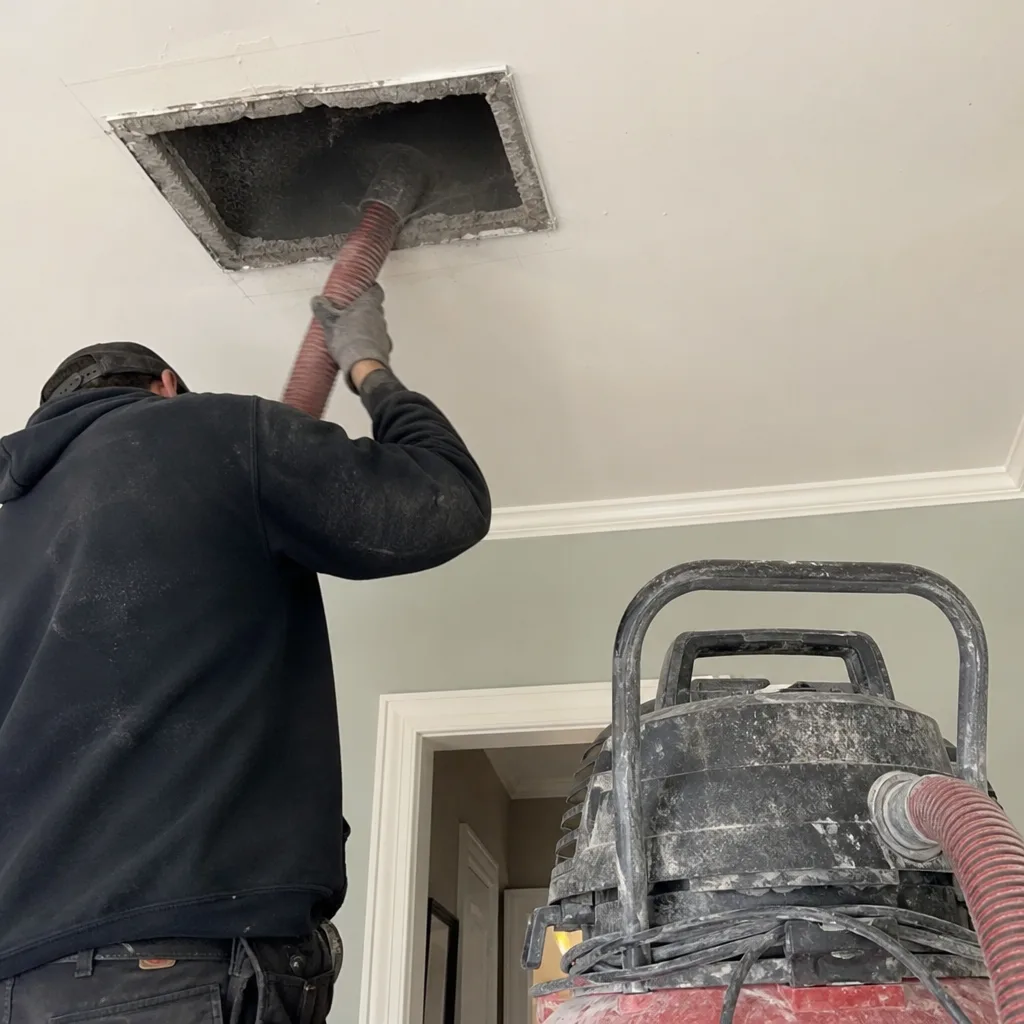 Before
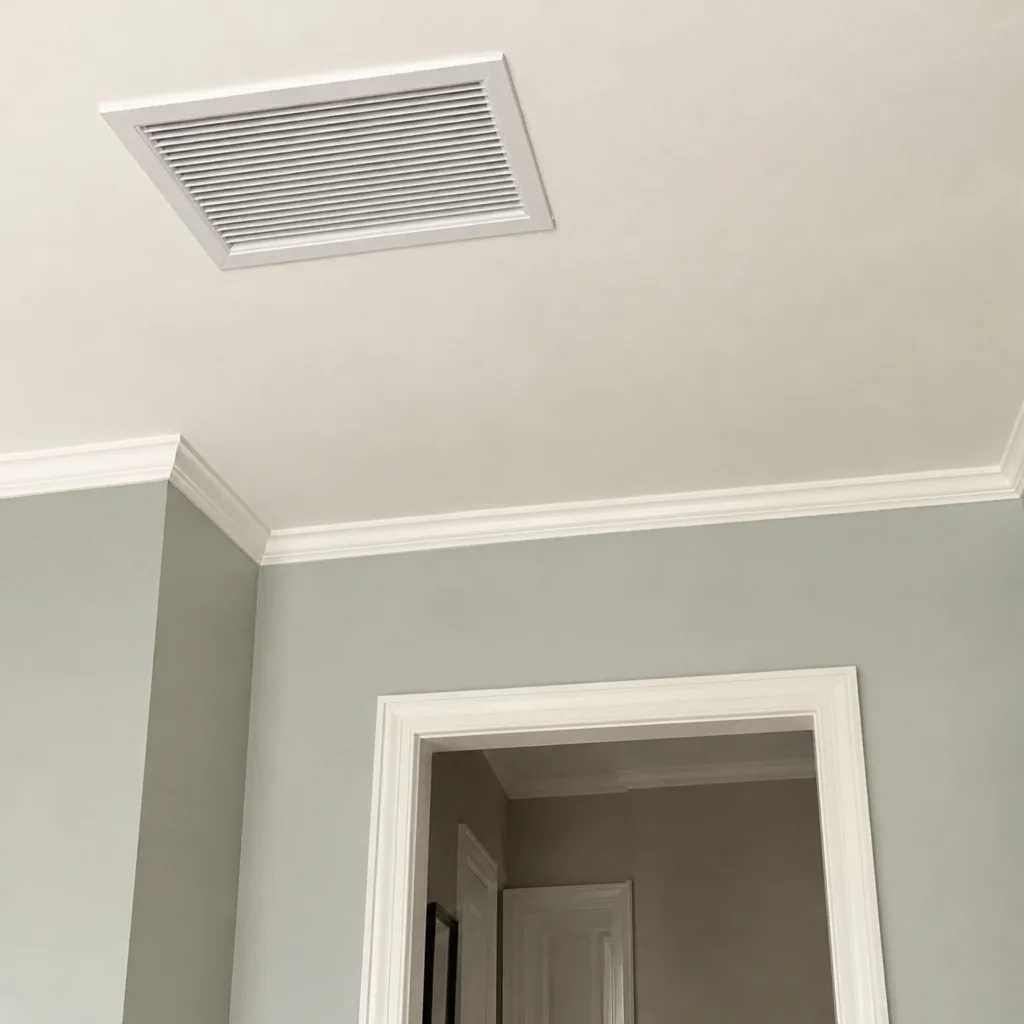 After
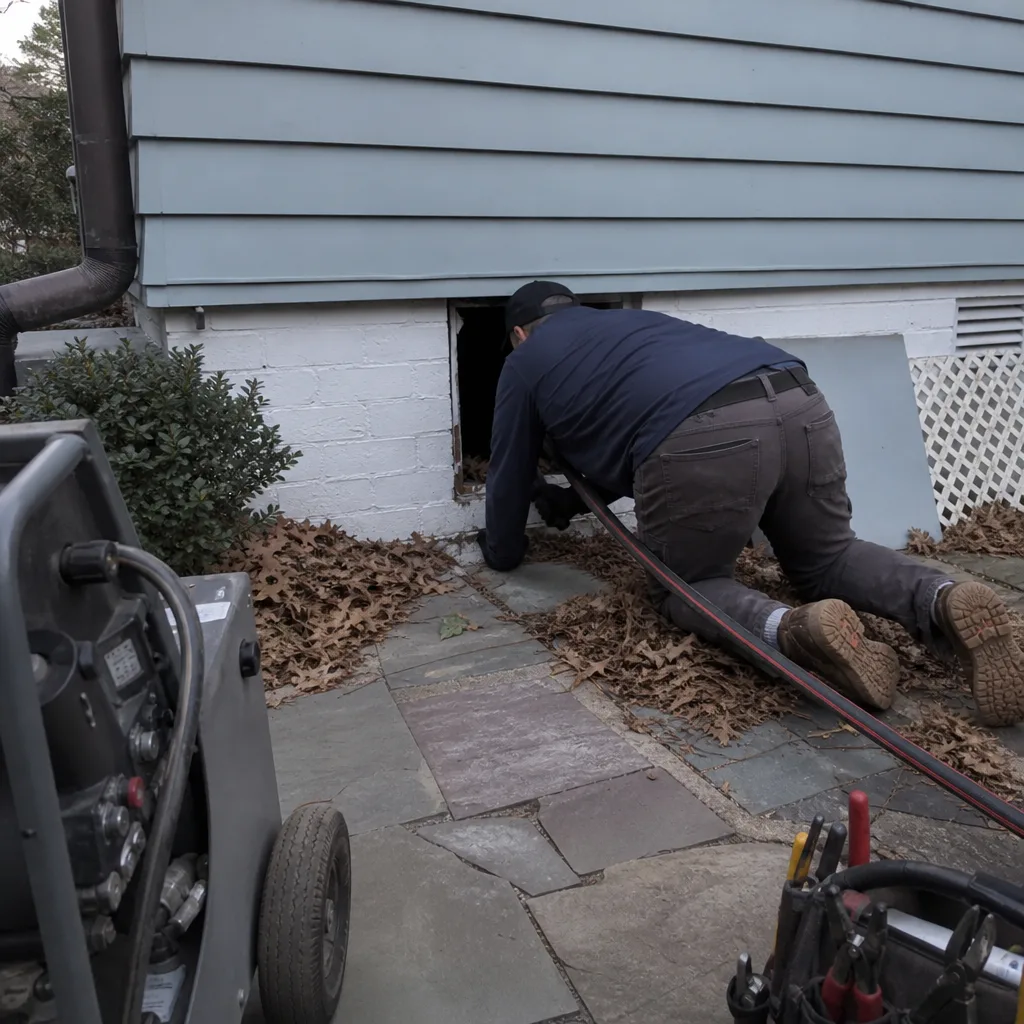 Before
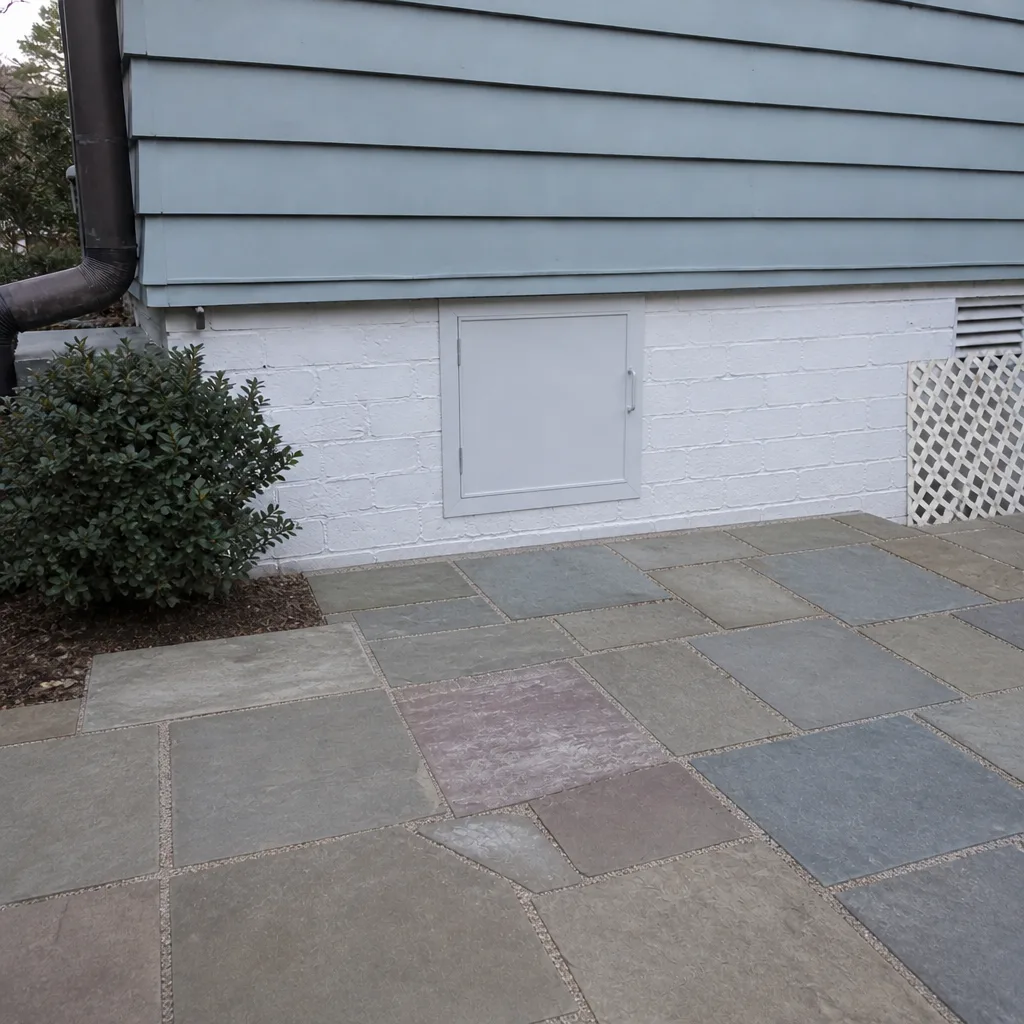 After
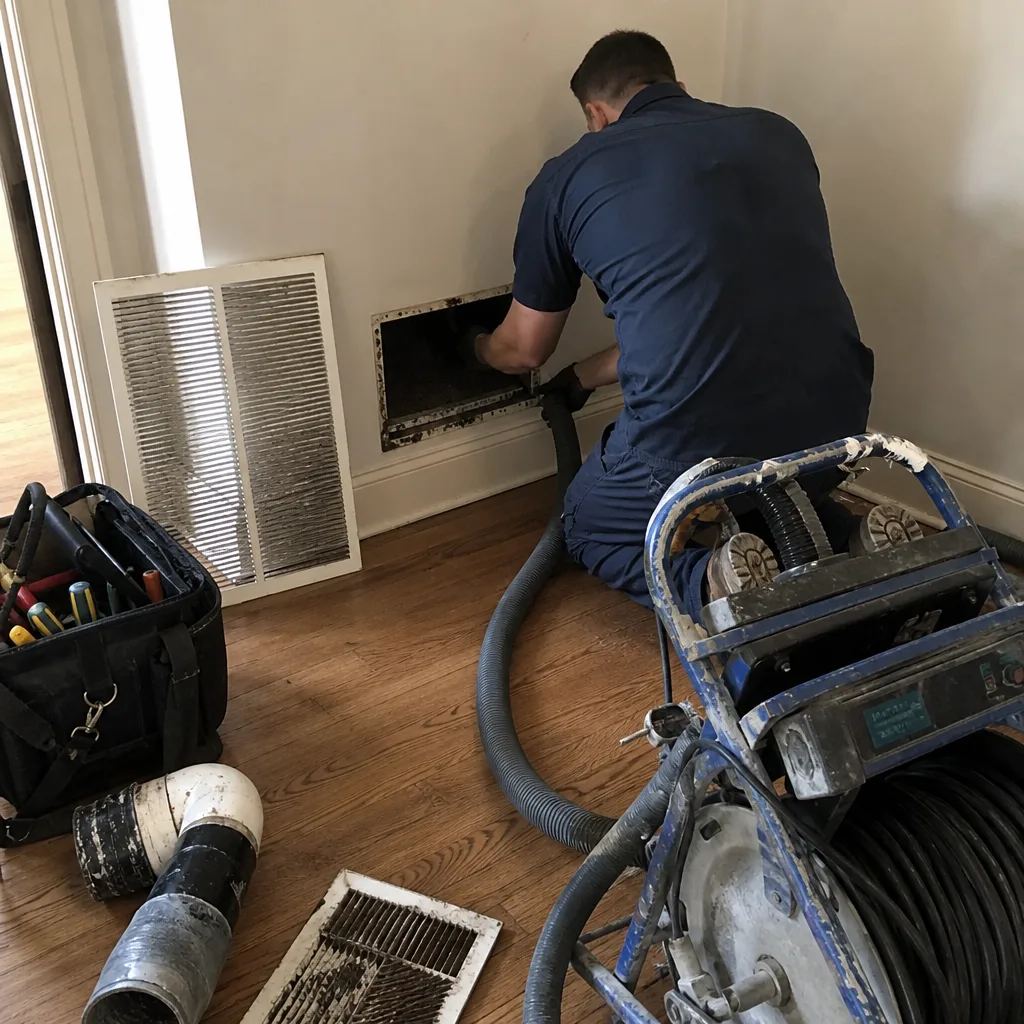 Before
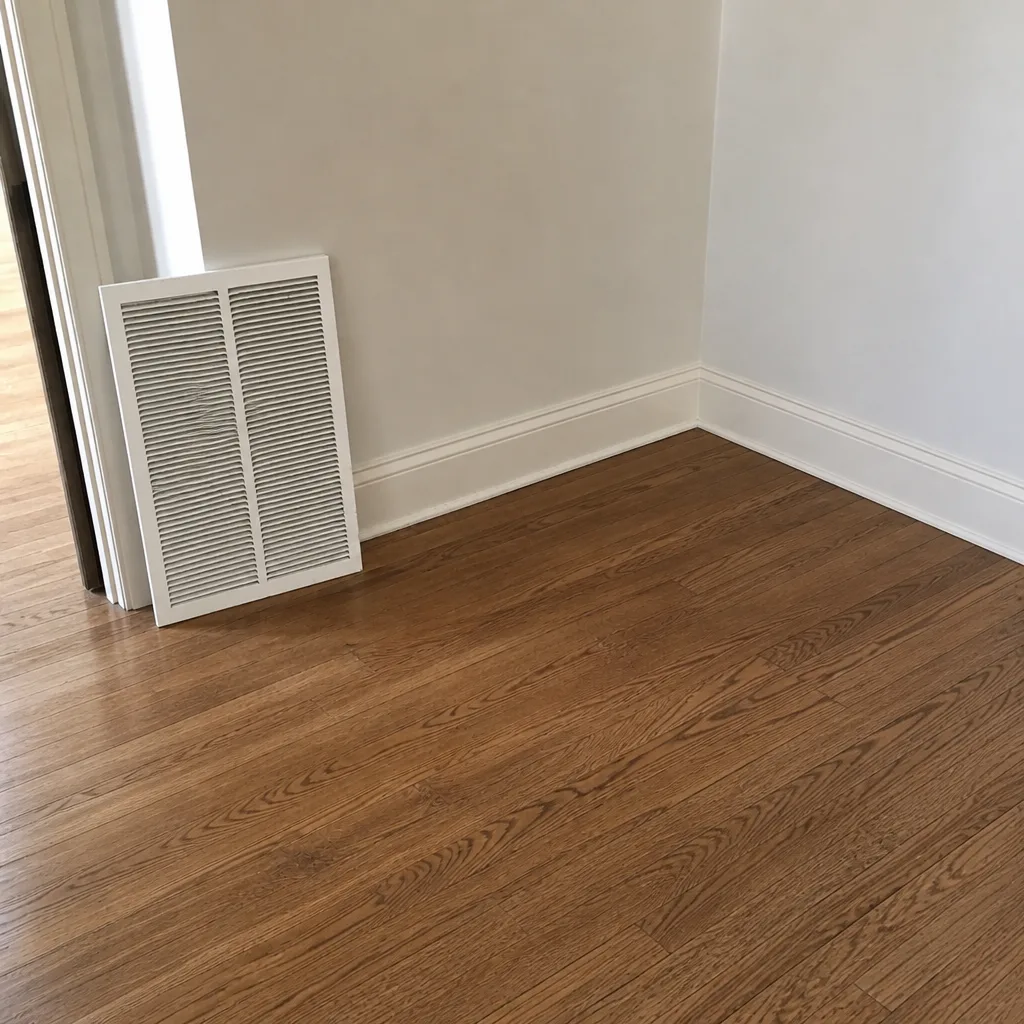 After
Common Mistakes to Avoid
- Cleaning only in the fall. Fall cleaning leaves the entire pollen season in the ducts to be re-suspended by winter heat. The best single window is post-pollen in Myers Park, and skipping it costs you more than scheduling it.
- Treating every season like peak season. Cleaning four times a year isn’t better care – it’s a schedule that reacts to nothing. Match the workload to the load.
- Upgrading the filter without checking airflow. A high-MERV filter in a system that can’t handle the restriction makes duct problems worse. A Myers Park home with an older blower especially needs this conversation before the purchase.
- Ignoring the first musty-air smell in summer. The earliest moisture signal is the cheapest to act on. Waiting until a smell is persistent means dealing with a source problem, not a duct-cleaning problem.
- Choosing a cleaner who arrives with a household vacuum. Dry extraction to professional standard requires purpose-built equipment. Ask what machine will be used on the job.
- Forgetting the dryer vent on the calendar. A dedicated dryer vent cleaning is a fire-safety task, not an add-on. It should carry its own date, not be appended to another visit.
- Skipping the sealing step after cleaning. Cleaning without sealing the joints means the system pulls attic and outside air straight back into the ducts. Fall is the season to pressure-test and seal before the heating cycle amplifies the loss.
When to Call a Professional
The right moment to call is usually before you’re sure you need to. If it’s been years since the last cleaning, if you’ve just moved into a Myers Park home and don’t know its history, if a renovation has just been completed, or if anyone in the household has asthma or allergy sensitivity, the calendar should start with a professional assessment rather than a DIY attempt. If you see any of the summer moisture signals from this guide – a musty first-air smell, dark speckling, or unexplained clamminess – that’s a call too. Air Duct Cleaning Myers Park offers free estimates in Myers Park. Call (877) 792-5816. We answer 24/7. Fast dispatch from 7am to 7pm, Sunday through Friday, and we’re closed Saturday. The price is set per job by the written estimate, so the number you see before work starts is the number on the invoice.
Frequently Asked Questions
Most Myers Park homes do well with one deep cleaning every two to three years, timed to late May or early June, plus seasonal inspections and filter changes in between. Homes with allergy or asthma concerns, recent renovations, or pets may justify closer to every two years. Homes that start clean and stay dry can sometimes go longer. The interval should be set by what a spring inspection finds, not by a fixed habit. Call (877) 792-5816 for a free estimate that gives you a real interval rather than a guess.
Because spring is when the largest single load – pollen – enters the system, and fall cleaning means that load has already sat through a humid summer and been re-suspended by winter heat. Late May or early June captures the full pollen season in one pass and clears the decks before cooling season. Fall cleaning is still worthwhile when a spring cleaning wasn’t done, so it’s a good second-best option rather than no option at all. Call (877) 792-5816 to check what’s still worth doing this season.
Pricing is per job and set by the written estimate after an inspection, because a straightforward system and a contaminated one with moisture issues are not the same job. A routine whole-system cleaning is one figure; a cleaning that includes an air handler, plus a filtration upgrade and duct sealing, is another. The estimate is free, and the price agreed before work starts is the price on the invoice. Call (877) 792-5816 for an exact quote.
A low quote usually reflects a smaller job, not a better deal – fewer registers cleaned, no air handler work, no sealing, and equipment that isn’t purpose-built. The comparison isn’t the number on the phone; it’s what’s included, what machine arrives, and whether any test is done afterward to prove the work happened. Our answer is one flat price per system agreed before work starts, with before-and-after photos of your own ducts. Call (877) 792-5816 with the other quote in hand and we’ll walk through what’s missing from it.
Ask for before-and-after photos of your ducts taken during the job, and ask what tests were run at the end. A proper cleaning shows a visible change at the duct interior and a measurable change in what’s in the system; a photo-less visit and a handshake aren’t proof of either. If you have a seasonal calendar in place, the follow-up inspection is where you’ll also see whether the work held. Call (877) 792-5816 for an estimate that spells out exactly what will be documented.
Often, yes – a check that confirms the ducts are due can be followed by the cleaning itself if the schedule allows. Fast dispatch, 7am-7pm, Sunday through Friday; we’re closed Saturday, and a call outside those hours is booked into the next opening. The one thing we won’t compress is the estimate, because the price has to be agreed before work starts. Call (877) 792-5816 to see what fits your window.
The Bottom Line
The Myers Park home that handles its ducts best isn’t the one that cleans most often – it’s the one that puts a single deep cleaning where the load peaks. That peak is late May to early June, after pollen and before humidity. From there, seasonal work gets much simpler: a filter change and grille check before heating starts, a musty-air watch through summer, a startup inspection in the fall, and a mid-winter look only if dust is returning fast. Add a dedicated dryer vent cleaning on its own date, and you have a year of action rather than a year of good intentions. Anchor the whole thing to a documented cleaning and a plan built around your system, not a generic reminder.
Call (877) 792-5816 for a free estimate. We answer 24/7. Fast dispatch from 7am to 7pm, Sunday through Friday, closed Saturday. One flat price per system, agreed before work starts, with before-and-after photos of your own ducts.
Written by the team at Air Duct Cleaning Myers Park.